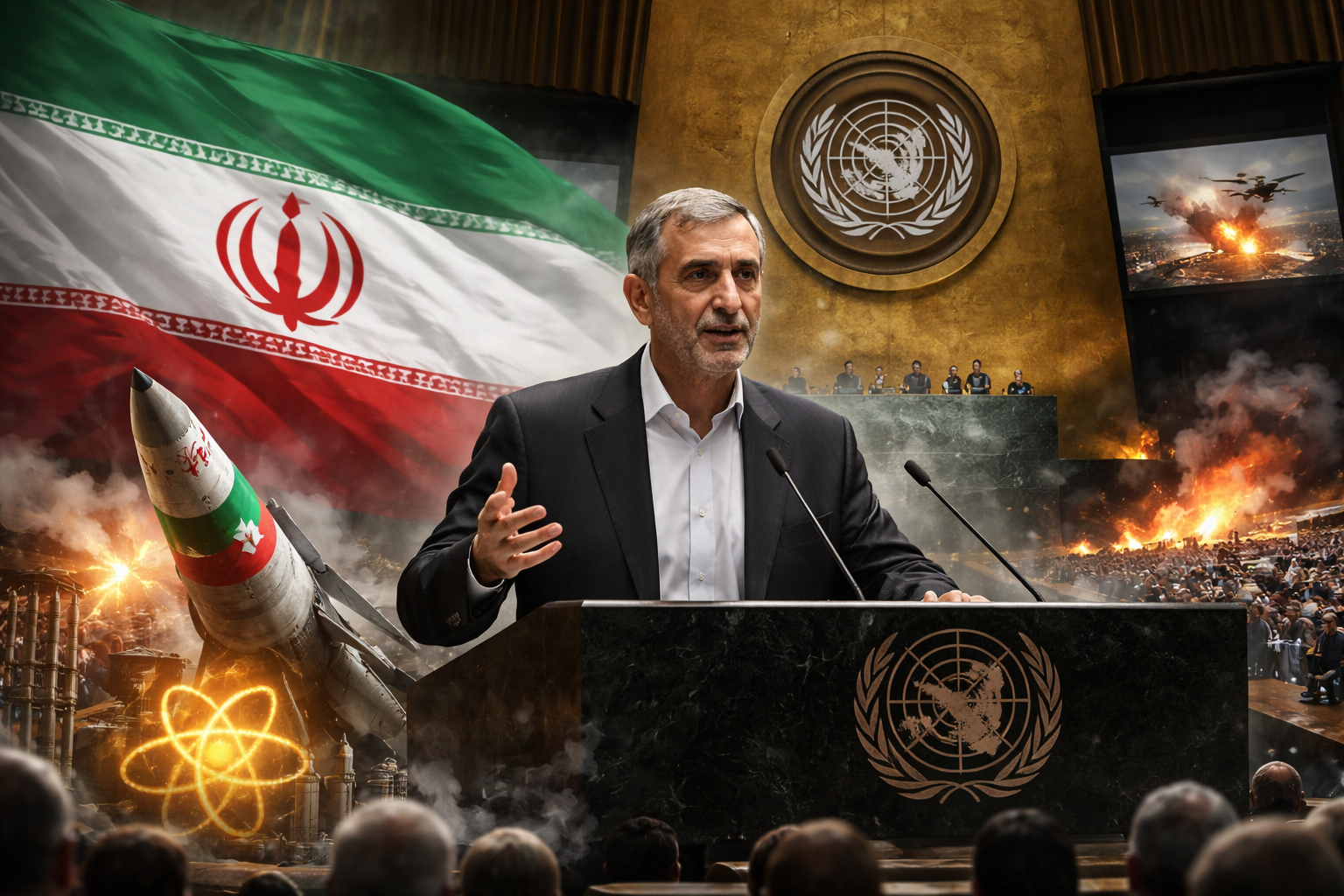

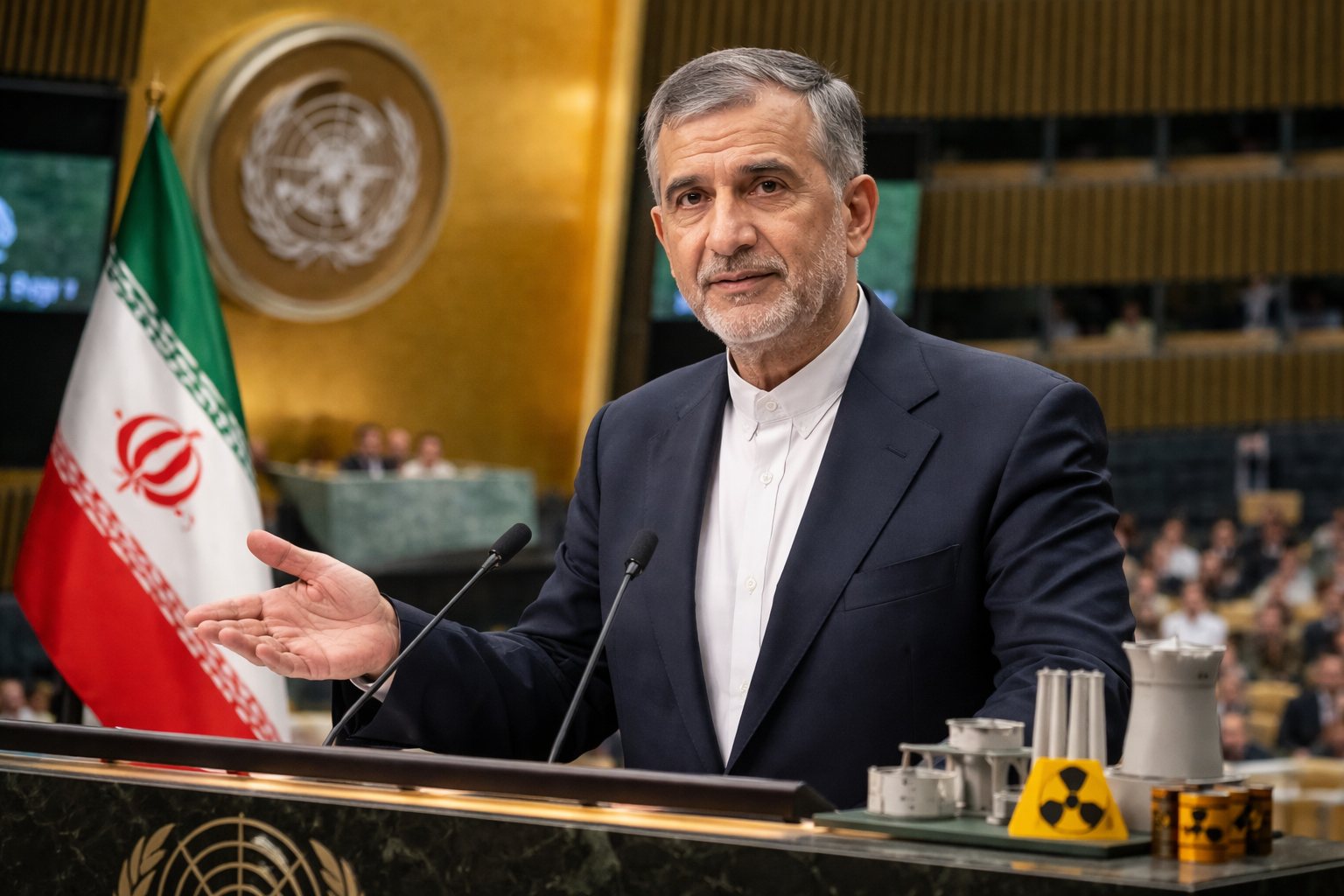
Iranian President Masoud Pezeshkian traveled to New York for the United Nations General Assembly, where he engaged with American journalists to discuss Iran’s nuclear program and diplomatic prospects. In an exclusive interview with Fox News, Pezeshkian expressed Tehran’s openness to fulfilling its international nuclear commitments despite ongoing tensions with the United States.
The discourse comes amid heightened conflict and sanctions following U.S.-Israeli attacks on Iranian nuclear sites in 2025, which prompted Iran to halt cooperation with the International Atomic Energy Agency (IAEA). The agency estimates that Iran possesses over 440 kilograms of uranium enriched up to 60%, exceeding civilian needs, fueling global concern.
Concessions and Compliance Talk During UN Engagement
In conversation with Fox News host Bret Baier, Pezeshkian firmly denied Iran’s intentions to develop nuclear weapons, citing religious decrees against weapons of mass destruction. When questioned about handing over highly enriched uranium, he affirmed Iran’s commitment to abide by international law and the Nuclear Non-Proliferation Treaty.
Although such statements indicate diplomatic goodwill, experts note Pezeshkian’s limited power to negotiate comprehensive de-escalation. Arman Mahmoudian, a Middle East studies expert, highlighted that hard-liners and the Islamic Revolutionary Guard Corps maintain significant control over Iran’s military and strategic choices.
Strategic Leverage Around Shipping Routes
Discussions at the UN also focused on the Strait of Hormuz, a critical maritime chokepoint for global oil transport. Iran has proposed negotiations to potentially reopen the strait under unspecified conditions, likely tied to lifting sanctions and halting U.S. interference in internal affairs, underscoring the strategic leverage Tehran holds.
Moreover, Iran’s influence extends to Yemen’s Red Sea coast through the Houthi movement, which controls key areas around the Bab al-Mandab Strait, providing another leverage point affecting international shipping lanes.
Diplomatic Channels and Outlook
Despite the ongoing war and military pressures, Pezeshkian’s visit may help establish more direct communications between Iran and the United States, potentially setting the stage for future negotiations. U.S. officials report that constructive talks are continuing through intermediaries.
Mahmoudian expects Iran to maintain a dual strategy of diplomacy and military readiness, reconstructing damaged facilities while engaging in negotiation efforts. Both sides appear aware that sustained conflict is unsustainable, though reaching any political agreement will require time and complex negotiations.