
The narrow rejection of resuming EU accession talks in Iceland highlights how referendum phrasing and national identity concerns shaped the vote amid geopolitical turbulence
The recent Icelandic referendum on whether to resume accession negotiations with the European Union ended with a tight victory for the no side, illustrating profound national divisions. The vote was not just a simple yes or no choice, but rather complicated by the question’s wording and heated campaign tactics, according to reports from the Guardian.
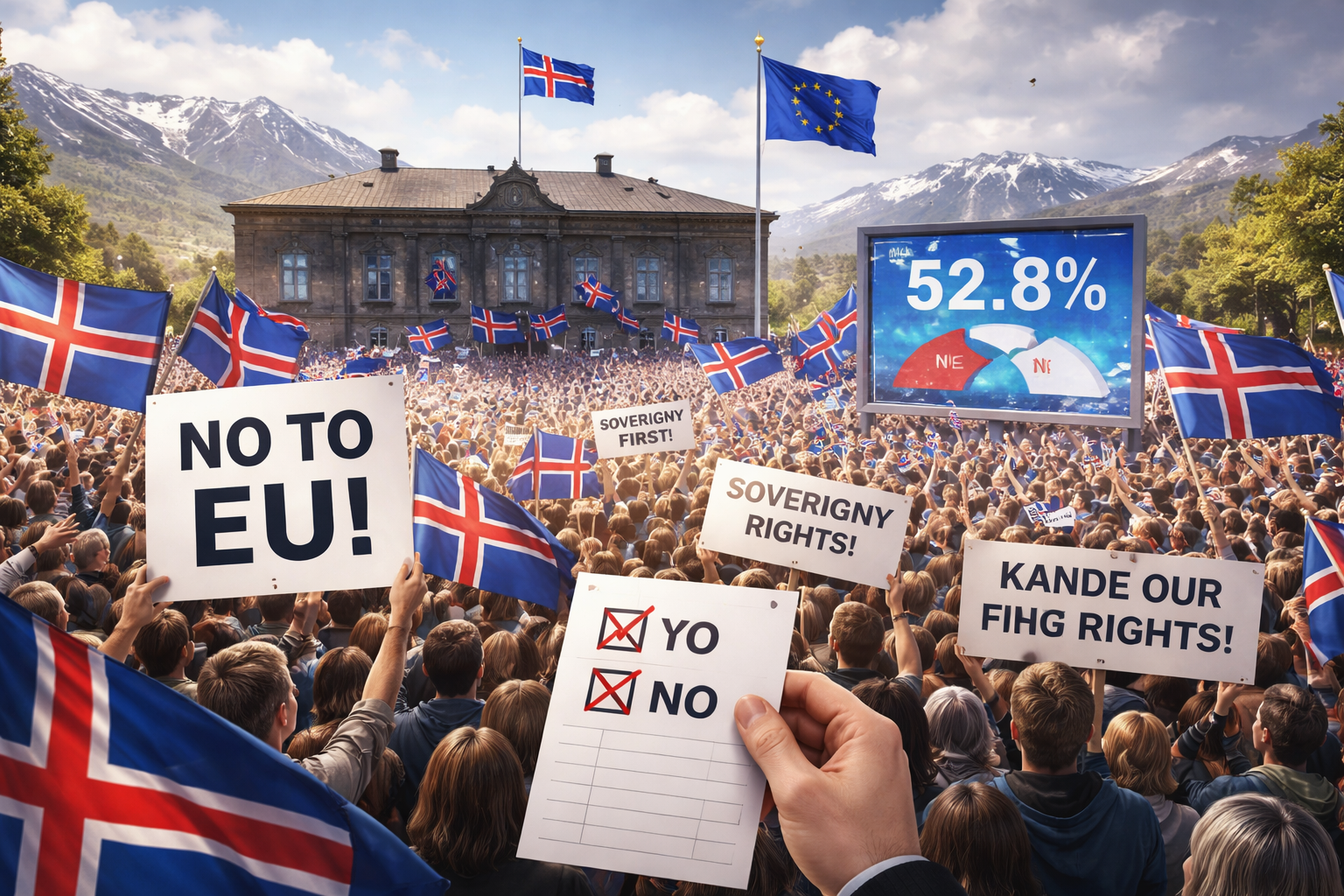
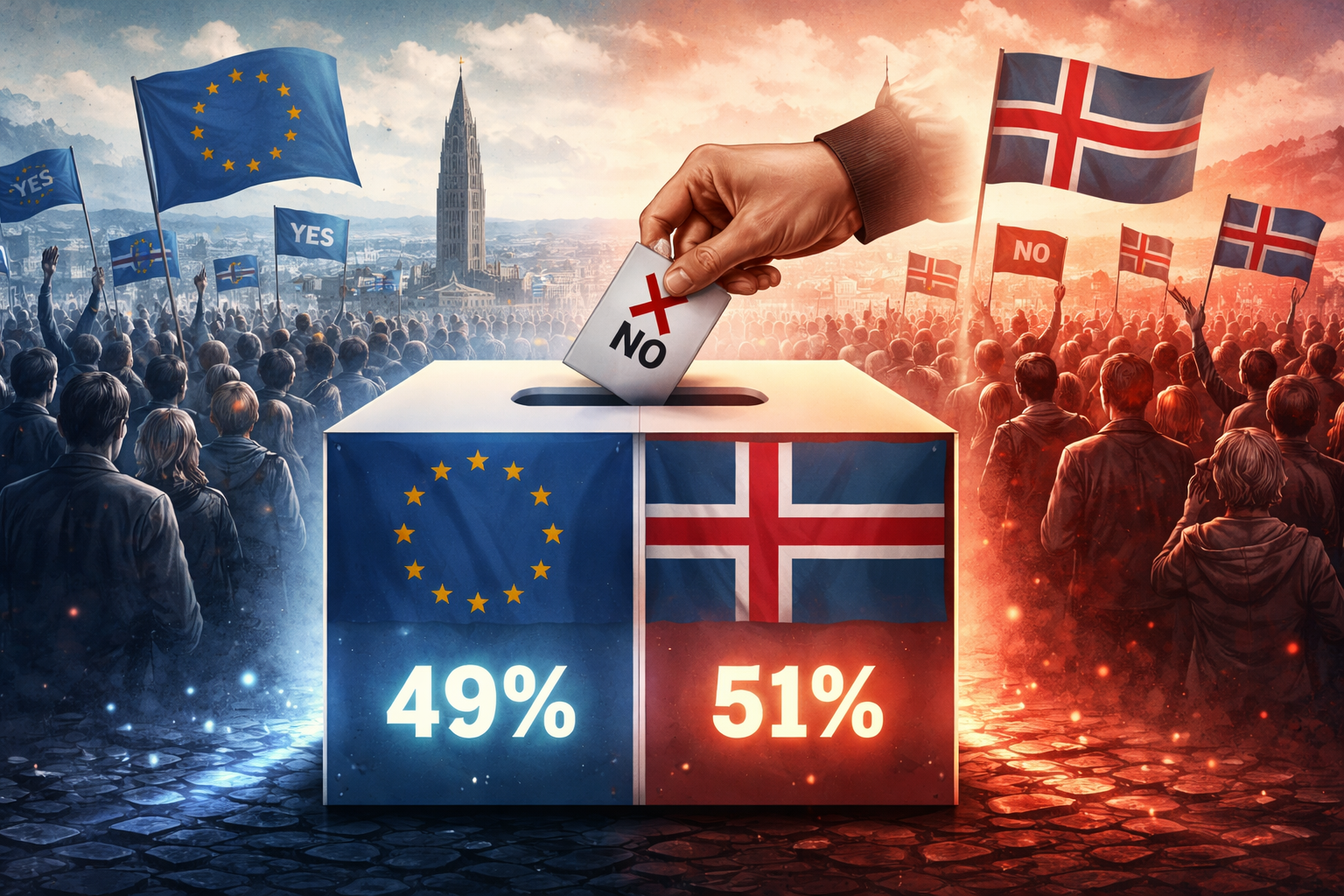
Iceland’s population of just under 400,000 saw about 52.8% voting against reopening EU talks, a result that underscores how subtle factors like language and deep cultural values influenced the outcome. Opposition campaigns leveraged fears around national sovereignty, especially regarding fishing and farming—key elements of Iceland’s identity.
Despite global challenges and the allure of closer European ties amid volatile US leadership, Icelanders opted for caution, demonstrating the strong emotional attachment to autonomy and scepticism about EU influence. These dynamics offer important insights into how referendum outcomes can be swayed beyond pure policy considerations, according to coverage.
The wording of the referendum question caused voter hesitation
The ballot asked voters, “Should Iceland resume accession negotiations with the European Union?” Unlike a direct membership vote, a ‘yes’ meant only potentially restarting talks, with another referendum expected once a deal was reached. This made a vote for yes essentially a “yes, maybe”, while a no was a definitive, clear stance.
This ambiguity arguably benefited the no campaign, whose messaging was more forceful and certain. As one yes supporter commented, the no side used “fearmongering very, very well.” The vague promise of future negotiation failed to inspire enough confidence against the louder warnings of losing control over vital sectors.
National identity fears dominated the no campaign narrative
The no side successfully tied EU membership to threats against fishing and farming, industries deeply intertwined with Iceland’s national pride and economy. They warned that the EU could become a “new superpower” over Iceland, potentially turning the country into a “quota-free fishing village”, giving foreign companies control over fishing rights and profits.
These messages resonated strongly outside the capital Reykjavik, particularly in rural areas where concerns about cultural preservation run high. The stark split in voting patterns highlighted how identity politics and economic fears merged to influence the referendum.
Well-funded campaigns and misinformation shaped public perception
The no campaign was better financed and more vocally influential, drawing comparisons to the tactics used during the UK’s Brexit referendum. Meanwhile, the yes side struggled against a swirl of misinformation. Yes supporters acknowledged the challenge, with one saying many friends felt scared of the European Union.
Iceland’s foreign minister, Þorgerður Katrín Gunnarsdóttir, warned of potential “Brexit moment” risks due to misinformation and foreign interference ahead of the vote. Still, she praised the democratic process, noting Icelanders had shown it was right to hold the referendum and bring foreign policy clearly onto the national agenda.
A reflection of global uncertainty and local priorities
At a time when global volatility and an erratic US presidency impact international relations, Iceland weighed the benefits and risks of closer EU ties cautiously. Already a member of the European Economic Area and the Schengen zone, Icelanders faced a complex choice between maintaining sovereignty and embracing wider integration.
Ultimately, the referendum’s outcome reveals how national identity, clear messaging, and geopolitical context combined to shape one of the country’s most contentious votes in recent years, underscoring the power of subtle framing and emotional appeals in democratic decisions.
Sources: The Guardian