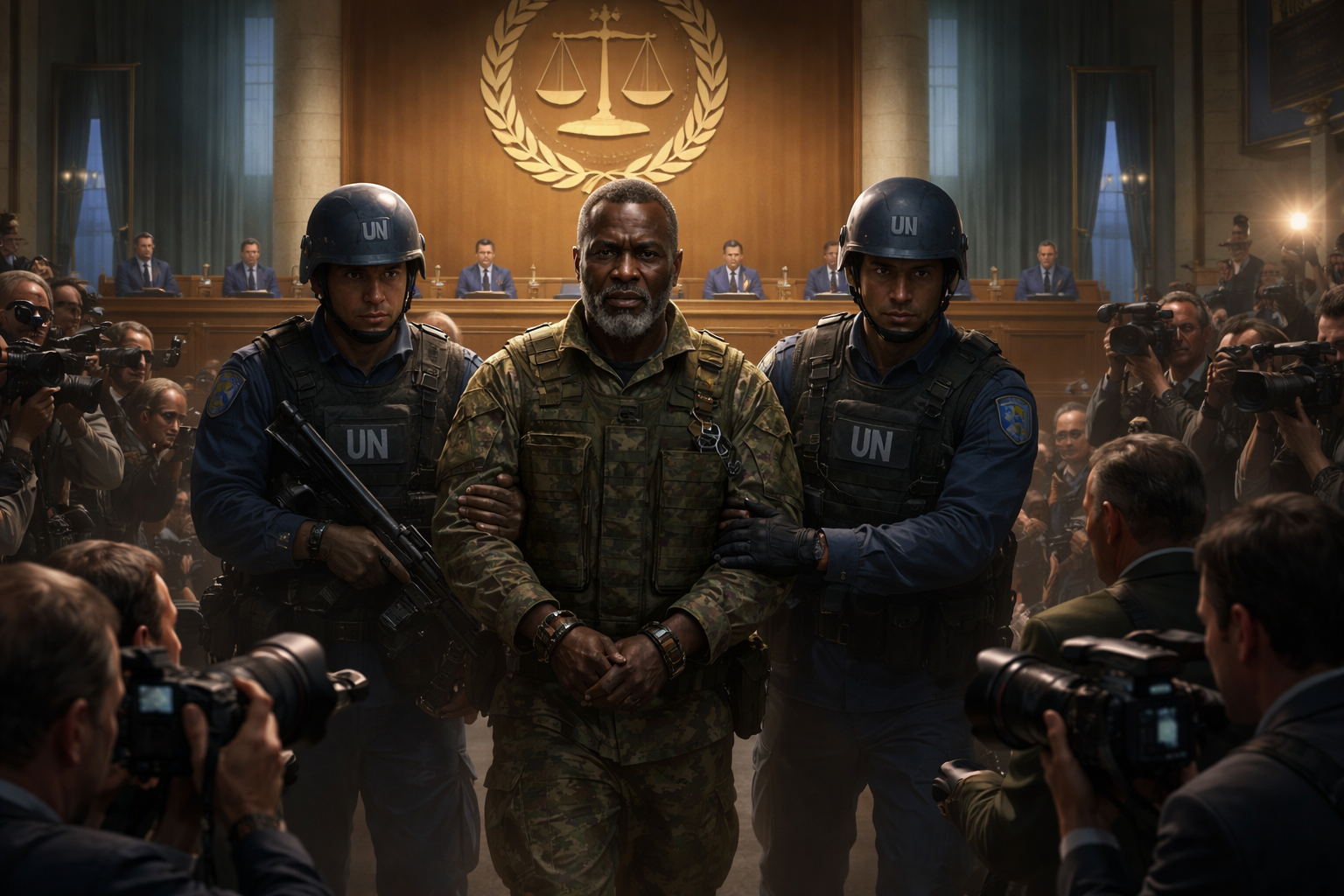
The International Criminal Court (ICC) convicted Mahamat Said Abdel Kani, a former rebel commander in the Central African Republic (CAR), on Wednesday for crimes against humanity committed while he managed a detention center amid the country’s 2013 sectarian violence. The court held Said responsible for overseeing widespread mistreatment of detainees suspected of supporting the ousted administration during a civil war.
At 56 years old, Said was found guilty on four counts of crimes against humanity related to beatings, torture, and deplorable prison conditions. However, the ICC acquitted him on three charges of war crimes. Sentencing, which could include life imprisonment, is scheduled for a later date, according to reports.
Role in the Seleka Rebel Group and Detention Center
Said was a senior commander within the Seleka rebel alliance, a predominantly Muslim coalition that ousted then-President Francois Bozize during the CAR civil conflict in 2013. Afterward, he assumed command of the Central Office for the Repression of Banditry (OCRB), a prison facility in the capital city of Bangui.
The ICC prosecutors presented evidence showing prisoners in this facility suffered extreme abuses. Detainees were subjected to whippings, bodily mutilations, and other forms of torture. Inmates were reportedly deprived of food and water, with some forced to drink their own urine to survive. One isolated holding cell known as “the hole,” under Said’s office, was identified as a site of particularly dire conditions.
Details of the Trial and Its Significance
Said was indicted and extradited to the ICC by Central African authorities in 2021, and his trial began the following year. The case marks the first time a Seleka rebel has stood trial at the ICC, which is headquartered in The Hague and serves as the only independent international tribunal for prosecuting individuals accused of the most serious global crimes.
Throughout the proceedings, Said denied all allegations. The ICC’s verdict represents a significant judicial development in addressing the human rights violations committed during the CAR’s violent political upheaval.