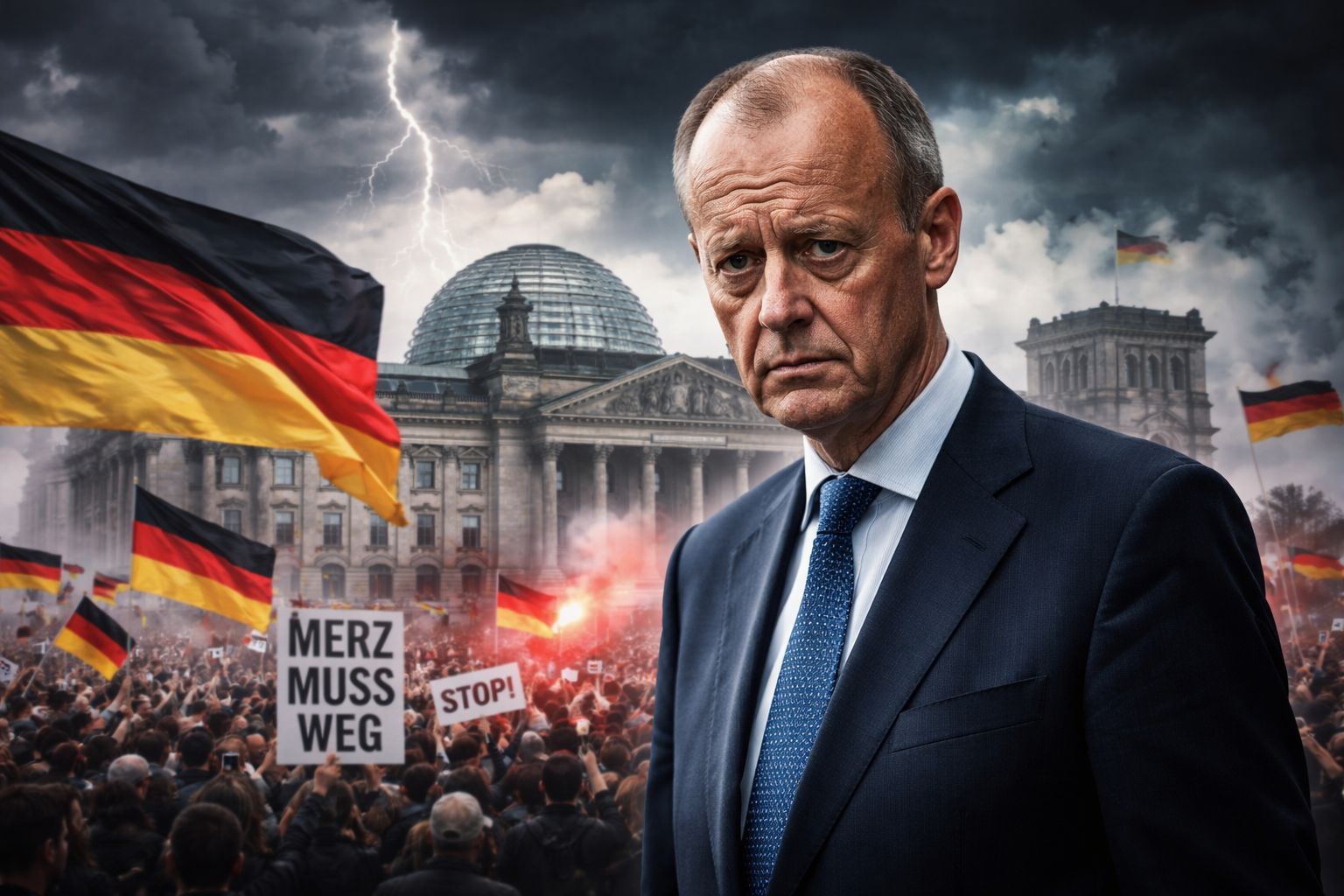


Voters in Berlin and Mecklenburg-Western Pomerania headed to the polls with the political future of Chancellor Friedrich Merz hanging in the balance. The far-right Alternative for Germany (AfD) party, which recently achieved historic success in Saxony-Anhalt, was expected to make further gains, challenging Merz’s conservative Christian Democratic Union (CDU) and intensifying scrutiny on the embattled leader.
The outcome of these elections was seen as critical for Merz, who has been in office for just 16 months and faces plunging approval ratings near 10 percent. The CDU’s performance in these states could determine whether Merz maintains his position as party leader or if internal pressures might lead to his replacement or even trigger snap elections, a scenario currently viewed as unlikely but not dismissed.
Key Voting Details and Stakes
Approximately 2.5 million voters in Berlin and nearly 1.3 million in Mecklenburg-Western Pomerania were eligible to cast ballots. Polling stations were open from 8 a.m. to 6 p.m. local time, with exit polls closely monitored by Merz and CDU officials. Merz canceled a planned speech at the United Nations General Assembly in New York to remain in Berlin during this politically sensitive period.
The AfD, now the largest opposition party in the federal parliament and leading in opinion polls, sought to capitalize on its momentum from Saxony-Anhalt, where it narrowly missed an outright majority. The party’s success there marked its highest regional result ever and sparked fears of the first far-right state government since the Nazi era.
Regional Dynamics and Party Challenges
In cosmopolitan Berlin, the CDU contended with strong competition from the far-left Die Linke party, whose platform includes addressing soaring rental prices through expropriation of large corporate landlords. Berlin’s housing crisis added complexity to the race, with about 85 percent of households renting and advertised rents nearly doubling since 2014.
The CDU’s candidate in Berlin faced difficulties after the incumbent mayor withdrew amid controversy. Meanwhile, in Mecklenburg-Western Pomerania, the CDU confronted an even more precarious situation, with polls indicating a potential worst-ever result and risking exclusion from the regional parliament if it failed to surpass the 5 percent threshold.
Impact on Merz’s Leadership and Broader Political Context
Merz’s credibility has been undermined by broken campaign promises to revive Germany’s economy and curb AfD’s influence. The party’s growing support reflects voter concerns over economic stagnation, rising living costs, deindustrialization, and opposition to Merz’s strong backing of Ukraine amid ongoing tensions.
Although some economic indicators showed modest improvements under Merz, public frustration remained high, particularly as AfD candidates successfully mobilized non-voters in Saxony-Anhalt. The party’s focus on economic anxiety and security issues continues to resonate with a segment of the electorate.
Political analysts noted increased risk of internal revolt within the CDU, with some estimating the likelihood of Merz being replaced has grown from 20 to 35 percent recently. Despite this, a leading economist from Berenberg bank expressed expectations that Merz would complete his term.
Anticipated Outcomes and Voter Response
While the AfD was unlikely to achieve governing majorities in the contested states, its strong showing posed a significant threat to the CDU and mainstream parties. The specter of a far-right surge has galvanized anti-AfD protests and hopes that voters will rally behind democratic parties to prevent further far-right advances.
As results were awaited, Chancellor Merz and his allies remained under intense pressure, facing a fragile political environment shaped by economic challenges and shifting public sentiment.