
French education officials announced plans to deploy 3,000 substitute teachers by Tuesday as thousands of high school students continued their protests against deteriorating school conditions across the country. The demonstrations, now in their 10th day, have highlighted chronic teacher shortages, overcrowded classes, and aging facilities.
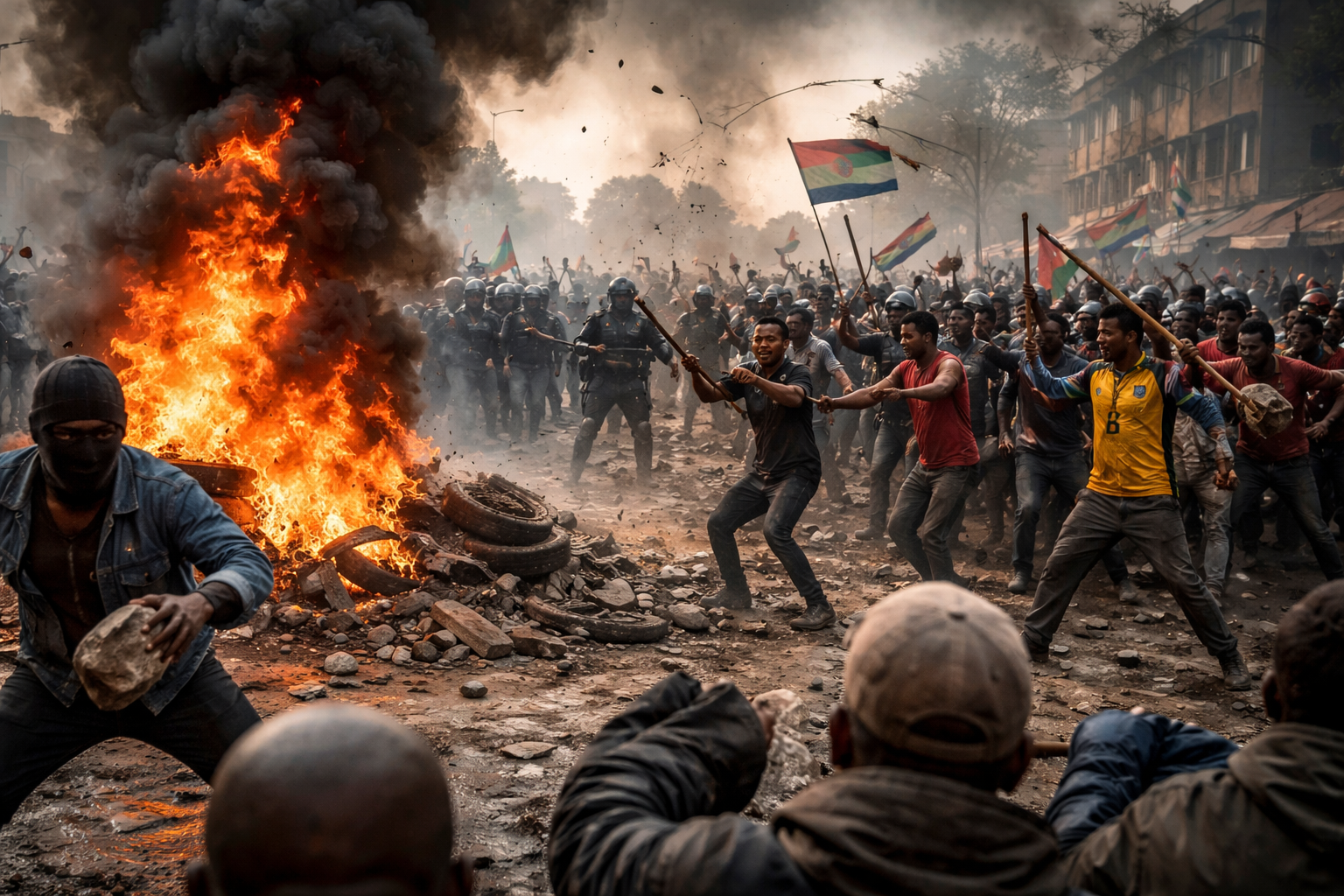
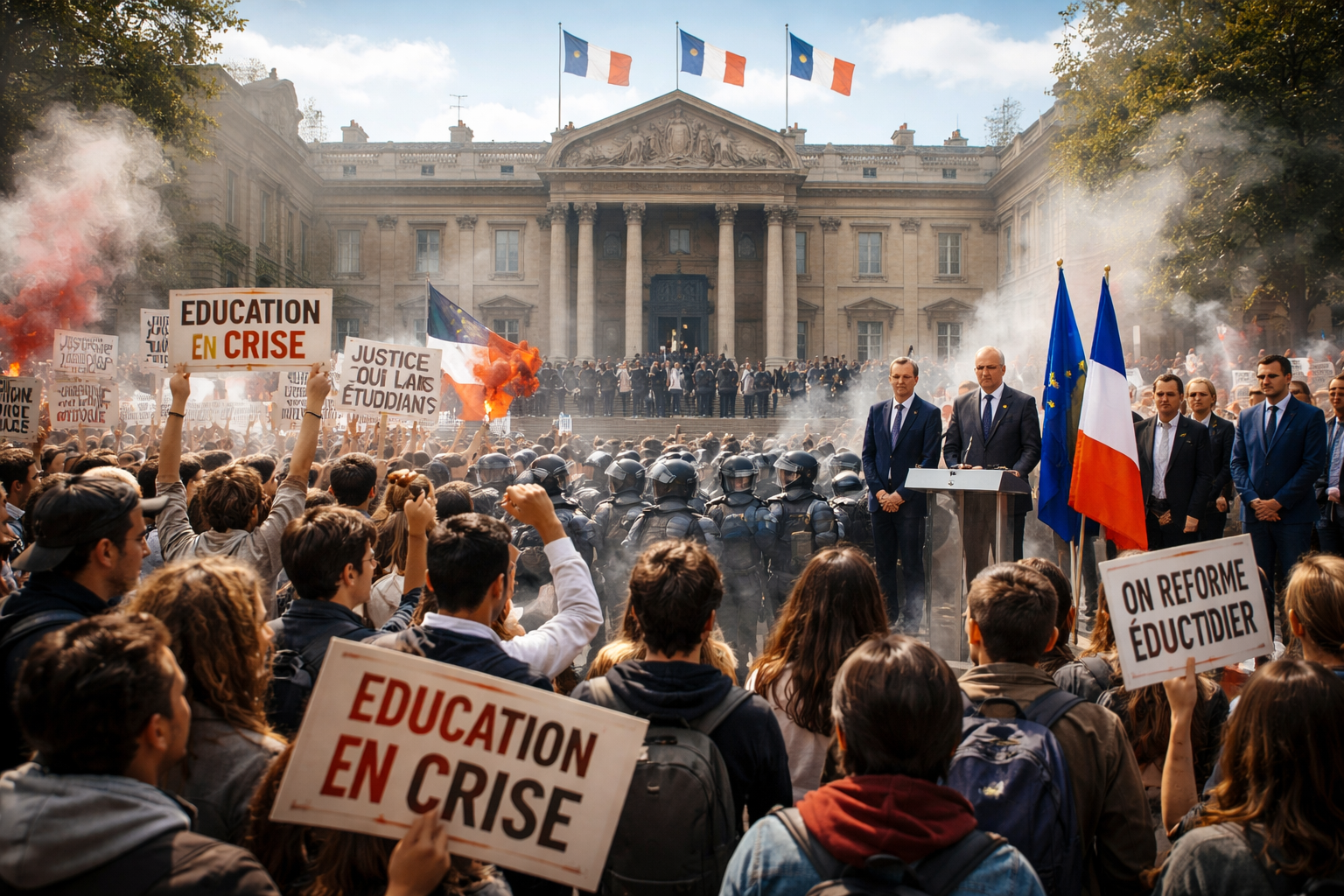
On Thursday, peaceful marches filled city streets from Lille to Marseille, with an estimated 25,000 students gathering in Paris’ Place de la Bastille. Despite the overall calm, clashes occurred in Paris and Rennes, where riot police used tear gas and water cannons to disperse protesters. Authorities reported about 224 high schools closed Thursday morning, dropping to 157 by midday, reflecting some reopening ahead of the government’s announcements.
Government Response and Student Demands
Education Minister Édouard Geffray told TF1 television he plans to assign substitute teachers to roughly 100 high schools identified as facing severe staffing gaps. Additionally, recruitment of several hundred permanent teachers has been authorized. Prime Minister Sébastien Lecornu indicated the government would seek amendments in the 2027 budget to incorporate concrete measures addressing student demands, especially around teacher replacements.
Nonetheless, student leaders expressed dissatisfaction with the response, describing it as insufficient. Ryad Rani, president of a high school students’ union, said demonstrators had received “no concrete measures whatsoever”. Another student activist, Sabrine Kharbach, emphasized the protests would continue until the government commits to a €10 billion investment aimed at resolving teacher shortages, extended school hours, and building dilapidation.
Impact and Public Opinion
The wave of protests has resulted in injuries to at least 215 teenagers, 89 school staff, and 761 police officers since they began, with some protesters damaging property and police responding with batons, tear gas, and crowd-control rounds. Following a severe injury caused by a stun grenade, authorities suspended their use while denying accusations of excessive police repression.
A poll by Elabe for BFM TV indicated that 72% of French citizens view the students’ demands as legitimate, though 55% believe the protests should end. Unions have called for another nationwide day of action in support of students scheduled for next Tuesday.
Political and Economic Context
The demonstrations place the government in a difficult position amid rising public demands for investment in public services and pressure to reduce the country’s growing budget deficit and debt. Economy Minister Roland Lescure signaled there is financial room in the upcoming budget to address educational needs, with schools slated to receive the second-largest funding increase after defense.
With a presidential election looming in six months, political figures have weighed in. Far-right candidate Marine Le Pen has criticized the protests, suggesting parents should pay for school repairs. Conversely, left-wing contender Jean-Luc Mélenchon praised the protesters and condemned police tactics.