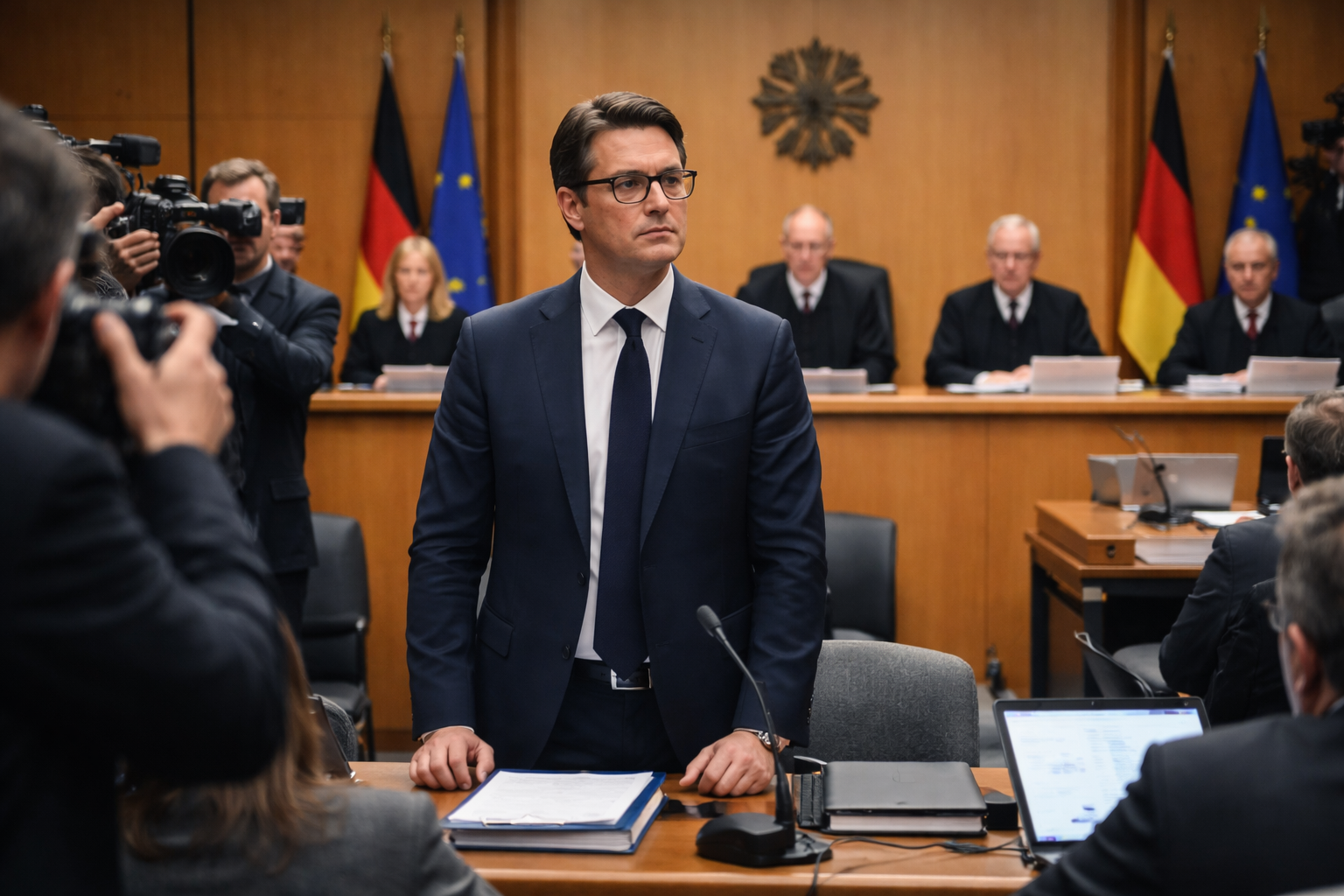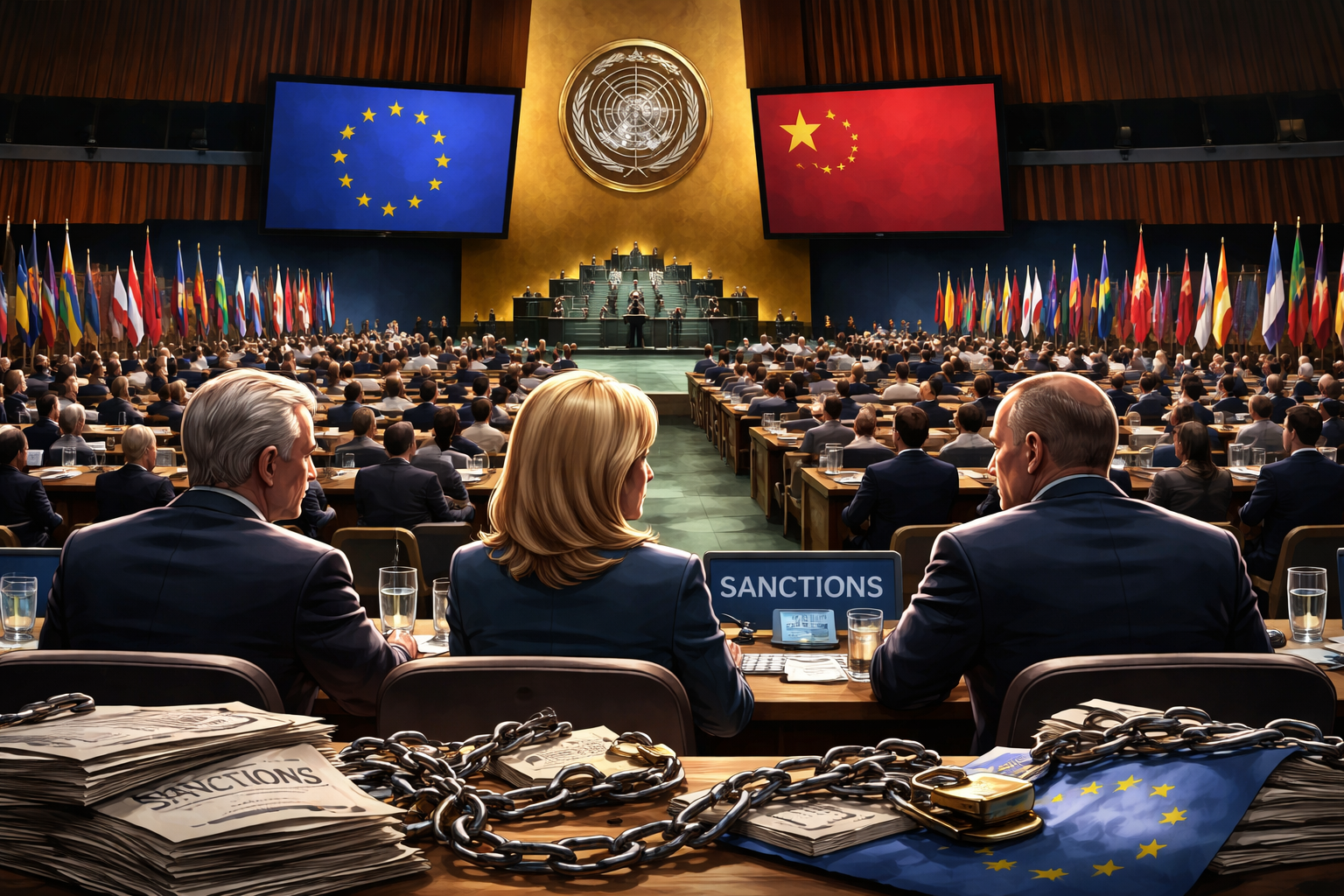
The European Union is deadlocked over a proposal to remove Russian billionaires Alisher Usmanov and Mikhail Fridman from its sanctions list, jeopardizing an extension of broader restrictions aimed at those accused of supporting Russia’s war against Ukraine.
Negotiations among ambassadors from the 27 EU member states have failed to reach consensus after multiple sessions, with Latvia emerging as the main obstacle due to strong objections to delisting the two billionaires. The sanctions cover nearly 3,000 individuals and entities, including Russian President Vladimir Putin, Foreign Minister Sergei Lavrov, major Russian banks, and energy firms.
Impasse Threatens Sanctions Continuity
Without an agreement by the end of Tuesday, September 22, the current sanctions list will expire. While the EU can grant a short-term extension, the deadlock highlights the difficulty in balancing national interests. Latvia’s Prime Minister Andris Kulbergs rejected a proposed compromise that would extend sanctions for 36 months but require delisting Usmanov and Fridman, signaling that further talks will continue to seek a solution that aligns with Latvia’s position.
Political Stakes and Reactions
France and Slovakia have been advocating for the removal of Usmanov, citing national security reasons in the case of France, reportedly connected to a prisoner exchange deal with Azerbaijan involving French nationals. The proposal also suggests delisting Fridman if Usmanov is removed, a move pushed by Luxembourg, though Fridman is concurrently pursuing a $16 billion claim against Luxembourg for asset freezes.
Ukraine’s foreign minister has condemned the delistings as “unacceptable,” warning they could undermine pressure on Moscow amid the ongoing conflict.
UN General Assembly and Arctic Security Talks Context
The sanctions debate coincides with high-level meetings at the 81st United Nations General Assembly in New York, where leaders including U.S. President Donald Trump, France’s Emmanuel Macron, and Ukraine’s Volodymyr Zelenskyy are engaged in diplomatic discussions. Of particular note is a Greenland security deal being signed between the U.S., Denmark, and Greenland officials, underscoring the broader geopolitical tensions in Arctic security.
As global leaders address these complex issues, the EU’s difficulty in renewing sanctions illustrates the intricate and sometimes conflicting priorities within the bloc regarding Russia and regional security.