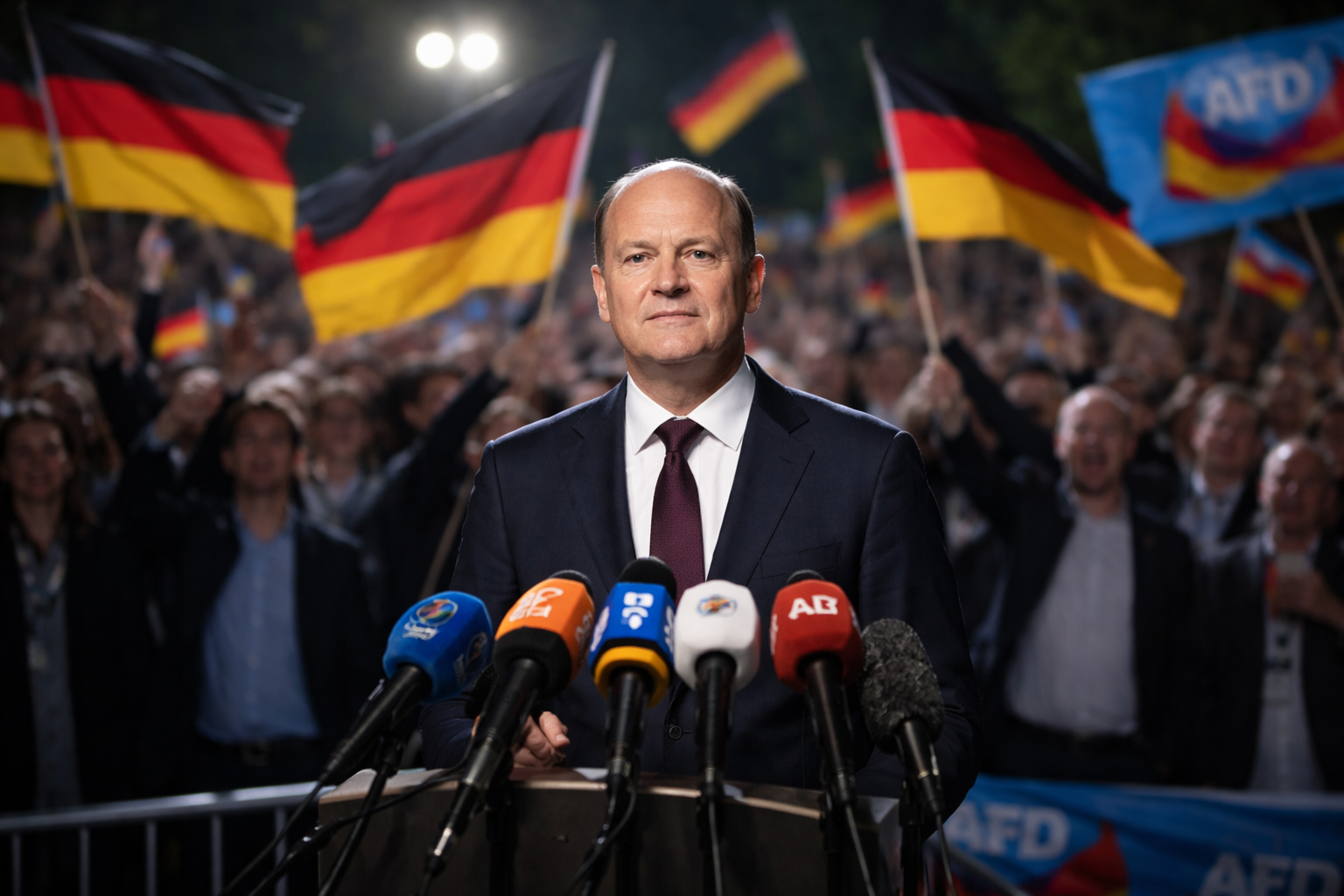

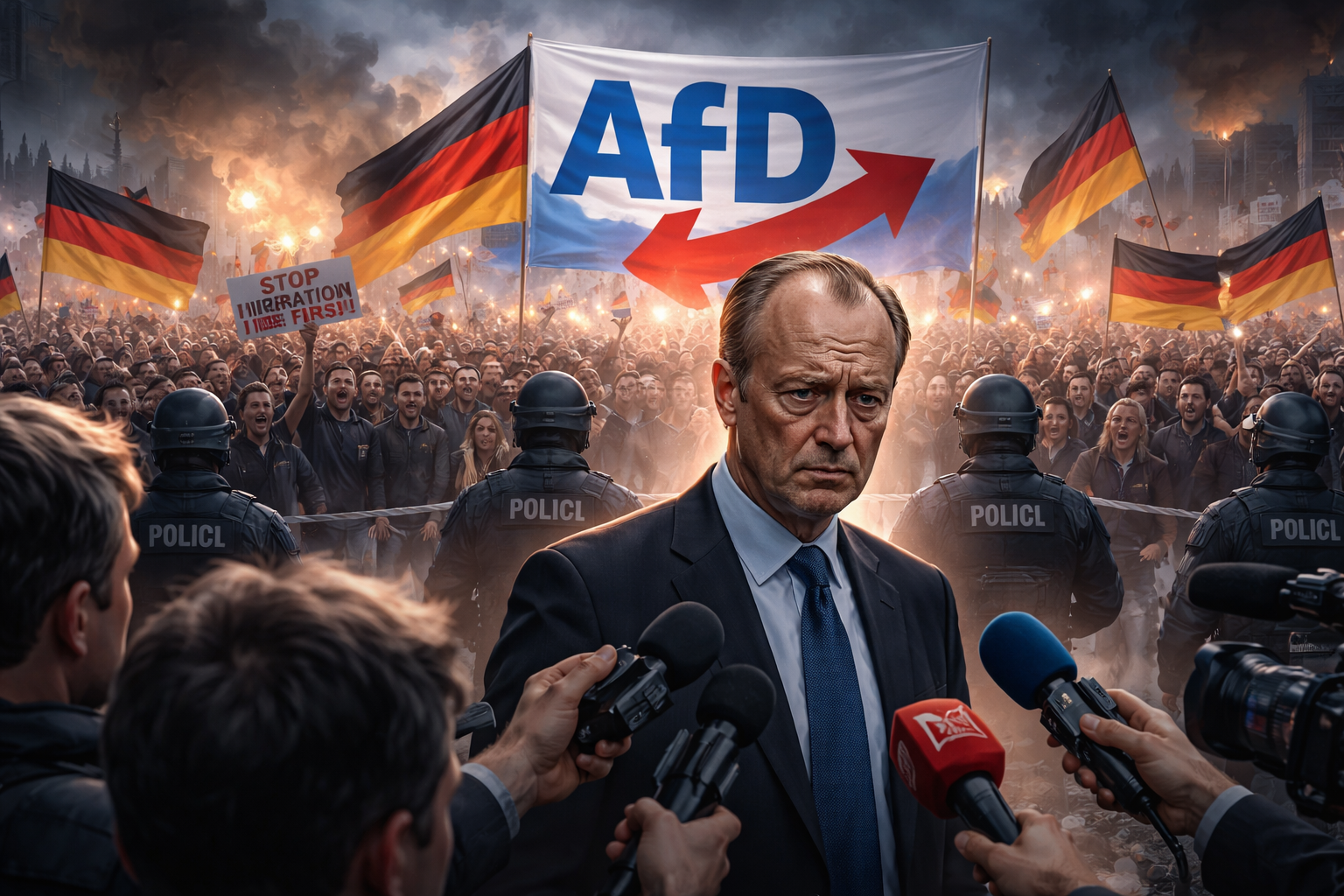
The far-right party Alternative für Deutschland secured 38% of the vote in the Mecklenburg-Western Pomerania state election, marking a significant gain amid growing political challenges in Germany.
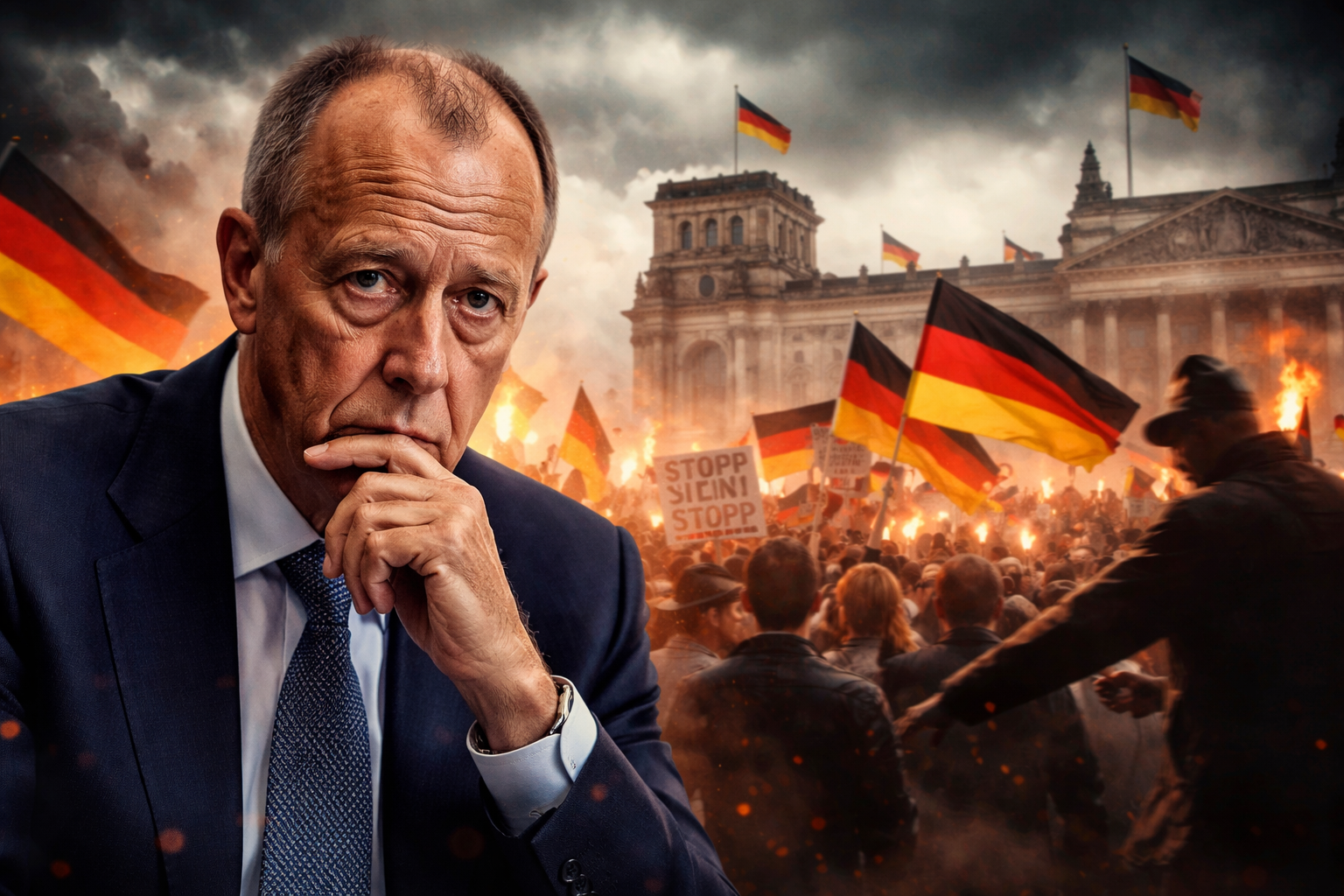
Chancellor Friedrich Merz, whose party suffered heavy losses in these and another state election, described the results as a “disaster” but vowed to remain in office. Meanwhile, the leftwing Die Linke achieved victory in Berlin.
Election Outcomes Highlight Political Shift
The elections showcased a sharp polarization within German politics, with the anti-immigration and Kremlin-friendly stance of Alternative für Deutschland appealing to a large portion of voters in Mecklenburg-Western Pomerania. The party’s 38% share reflects rising far-right influence in certain regions.
Contrastingly, Berlin voters favored the leftwing Die Linke, demonstrating varying political trends across states.
Chancellor Merz Under Pressure
Following the setbacks, Chancellor Merz promised political reforms and change within his party. However, speculation is growing about his potential removal as internal pressures mount in response to electoral defeats.
The situation signals ongoing instability ahead of future federal political contests.
Broader Implications for German Politics
The rise of Alternative für Deutschland underscores increasing public concerns about immigration and foreign policy alignment issues. The chancellor’s response and party adjustments will be critical to addressing voter dissatisfaction and navigating Germany’s complex political landscape.