
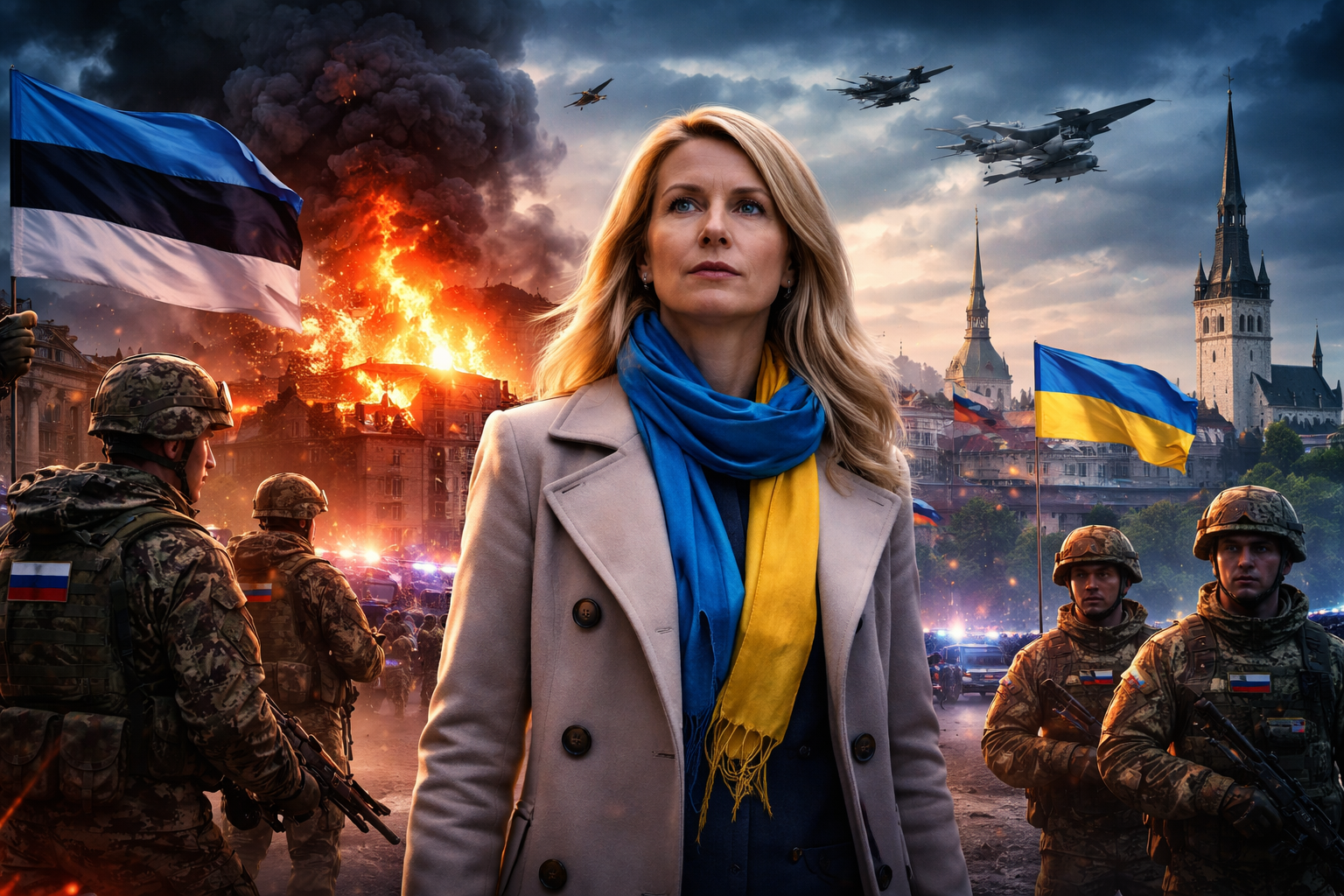
Estonia’s prime minister Kristen Michal publicly accused Russian special services of orchestrating an arson attack on Milrem Robotics, a defense industry company in Tallinn. Michal condemned the attack as part of Russia’s broader campaign to intimidate European nations and weaken their support for Ukraine, insisting that Estonia will respond with enhanced security measures and steadfast backing for Ukraine.
The allegations come as Estonia apprehended three suspects, two Latvian citizens and one additional individual, believed to have executed the arson on the night of August 15. The suspects were detained in Latvia, and subsequent searches yielded evidence including data storage devices and materials possibly used to start the fire. Estonia’s authorities emphasized that the suspects no longer pose a threat and the investigation into the incident continues.
Kremlin and International Reactions
The Kremlin swiftly rejected Estonia’s accusations, labeling them as “baseless” and unfounded. Kremlin spokesperson Dmitry Peskov dismissed the claims without offering evidence, stating they lacked any connection to reality.
International allies have voiced support for Estonia’s stance. The UK ambassador to Estonia, Jo Lomas, affirmed solidarity with Estonia in confronting what she described as “unacceptable attacks,” underscoring that such actions would not undermine their resolve or support for Ukraine. French President Emmanuel Macron echoed this sentiment, highlighting the escalation of hostile acts attributed to Russia and affirming European unity against these threats.
Broader Security Context and NATO’s Position
Amid increasing sabotage and hybrid attacks targeting NATO allies, Secretary-General Mark Rutte urged member nations to maintain calm and continue their support for Ukraine. He acknowledged the ongoing hostile actions by Russia aimed at weakening NATO’s resolve but emphasized that these efforts were failing.
Lithuanian Prime Minister Mindaugas Sinkevičius warned of Russia’s increasingly hostile and unrestricted actions across Europe but downplayed fears of an imminent large-scale threat. Both NATO and European leaders advocate public attribution of hostile acts to Russia, as Estonia did, to demonstrate unity and resilience against attempts to destabilize European security.
Meanwhile, diplomatic engagement continues between the US and Russia, including participation by Russian Economy Minister Maxim Reshetnikov in an upcoming G20 trade ministers meeting and meetings by President Putin’s envoy Kirill Dmitriev with US Treasury and Energy officials. This reflects ongoing efforts to maintain dialogue despite tensions related to the war in Ukraine and Russia’s alleged hostile actions.