
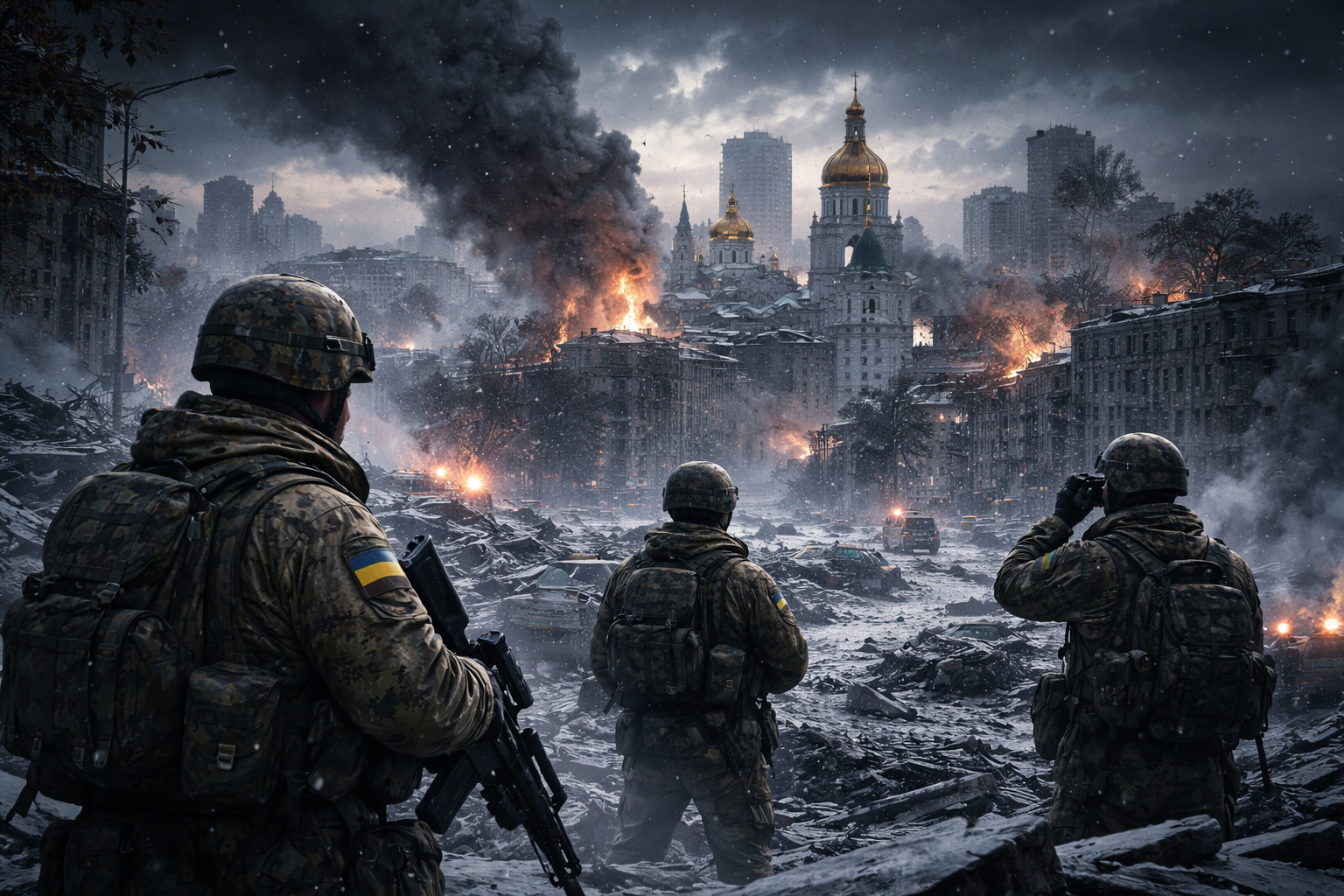
Kyiv has transformed from a city of summer strolls and outdoor socializing to one on the frontline of ongoing conflict, with residents actively preparing for a difficult winter amid relentless Russian attacks.
Since late August, Kyiv has seen a significant shift in the nature of attacks, with Russian forces increasing daylight strikes using faster, jet-powered drones that are harder to counter. This escalation has disrupted daily life significantly, interrupting schools and workplaces and targeting critical infrastructure such as warehouses and petrol stations.
Residents Prepare for Harsh Winter Conditions
Last winter, Kyiv endured temperatures plunging to minus 20 degrees Celsius with prolonged cold spells, exacerbated by widespread power outages caused by strategic attacks on energy infrastructure. Many residents experienced indoor temperatures dropping to just a few degrees above freezing, forcing them to find creative ways to stay warm, such as layering clothing, exercising indoors, and using limited gas supplies for heating water.
For vulnerable populations, the situation is especially dire, as simple measures to maintain warmth and hygiene become difficult without consistent power and water. Film-maker Iryna Tsilyk voiced concerns about those often unseen and unsupported, emphasizing the emotional toll of reduced internet connectivity and scarce water supplies.
Community Responses and Personal Coping Strategies
Local residents in neighborhoods severely affected by bombing, such as Lukyanivka, have adapted with a mix of resilience and practicality. Market traders continue operating amidst rubble, relying on traditional food supplies and local spirits as coping mechanisms. Others stockpile homegrown ferments and canned goods to mitigate potential shortages while dismissing exaggerated fears of food scarcity.
Families are also making detailed plans to navigate the winter challenges. For example, an expecting couple living on the 14th floor have invested in an energy-storage system to maintain essential appliances during outages. They also participate in community efforts to manage their building’s infrastructure, including proposals to install a generator for elevator use and establish functional facilities within bomb shelters.
Strategic Relocation and Emotional Impact
Due to intensified drone threats and ongoing uncertainty, some organizations are providing alternative accommodations away from Kyiv. An online safety charity has secured housing in Ukraine’s Carpathian Mountains for staff and families who need to relocate temporarily for safety and mental health reasons throughout the winter months.
Despite fears and hardships, many residents express a mix of fatalism and hope. As one local remarked, enduring the current conditions requires patience and determination, with the conviction that spring will eventually return, bringing an end to the harshest period.