
Iceland faces a pivotal referendum on joining the EU, sparking debates on sovereignty, farming, fishing, and the nation’s future security amid narrow polls
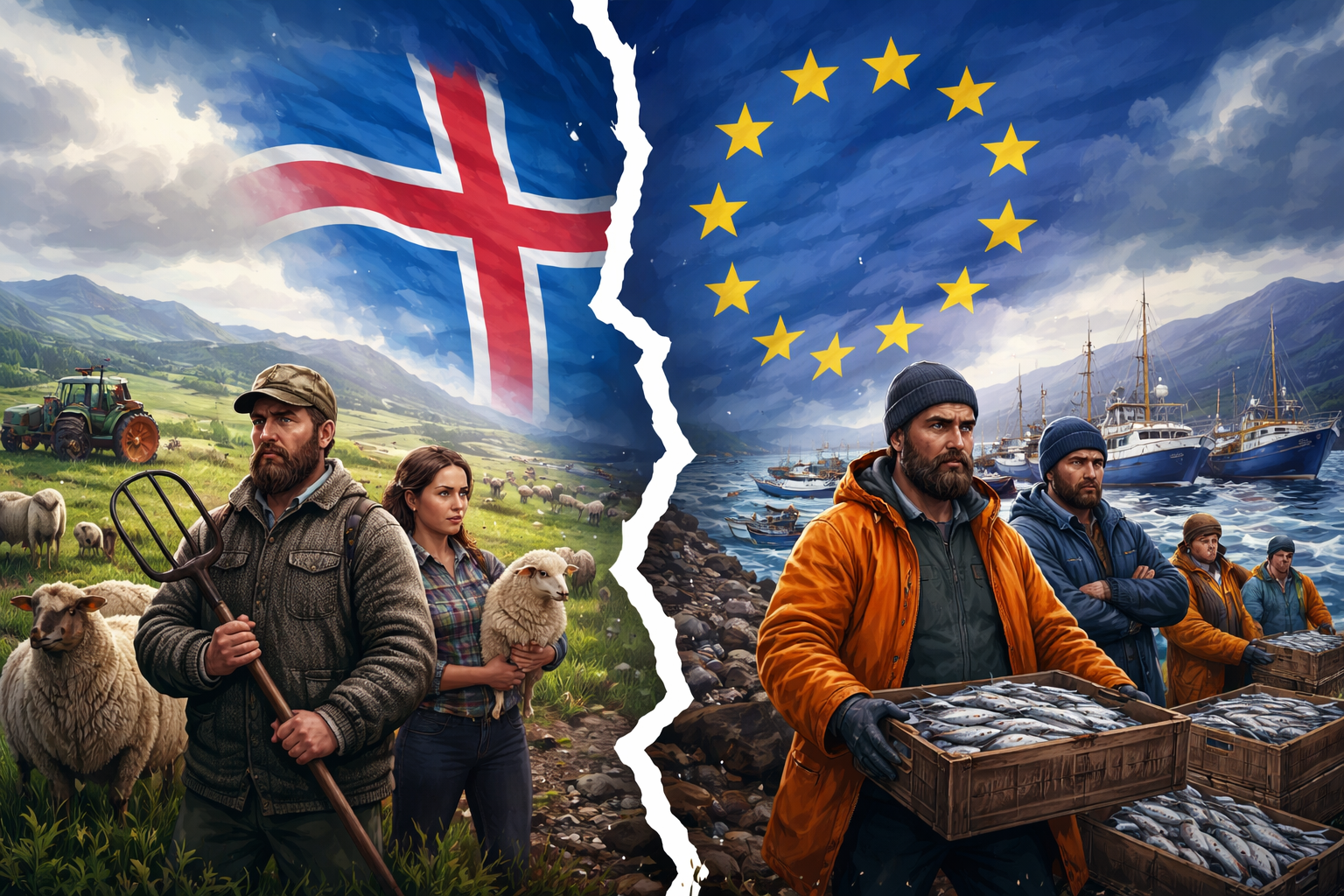
Iceland is gearing up for a decisive referendum that could reshape its relationship with the European Union. The vote, scheduled for Saturday, asks citizens whether they want to restart accession negotiations with the EU, stirring passionate discussions across farming communities, fishing sectors, and political lines.
The country’s unique economic landscape, marked by thriving small-scale farms and powerful fishing industries, faces uncertainty as proponents argue EU membership could reduce high living costs and strengthen national security, while opponents fear loss of sector progress and sovereignty.
This article explores diverse perspectives from Icelanders directly affected by the referendum, revealing deep concerns about the future of agriculture, fishing quotas, and Iceland’s independent stance in global affairs, according to information disclosed by the source.
Farming Community Voices Concern Over Economic and Sovereignty Risks
Davíð Clausen Pétursson, a 29-year-old farmer in Hvammur, embodies the anxious hopes of many Icelandic farmers. After witnessing rising profitability and innovation in farming, he doubts EU membership will sustain this momentum. “If there is a yes vote, the years of negotiations and resulting uncertainty could halt progress,” he explains, highlighting the potential impact on his income since milk production costs about 100 ISK per liter with a selling price of 145 ISK. He fears EU regulations could force a price decrease hurting farmers’ livelihoods.
Davíð emphasizes that Iceland’s current agricultural system is tailored to its isolated Atlantic climate and independent trade agreements. “We can figure it out ourselves,” he says, pointing to tariffs that protect domestic production. While acknowledging high food costs are frustrating, he warns against losing food security and becoming dependent on external markets.
Fishing Industry and Broader Public Divide Over National Interests
Kári Böðvarsson, a 79-year-old retired fisherman from Þorlákshöfn, supports a yes vote despite political differences, citing security and economic concerns. He notes that EU influence on fishing quotas is limited, especially regarding power struggles between large companies and individuals, but suggests the EU might help ease housing costs. His view contrasts with many of his peers, demonstrating the complex political spectrum fueling the debate.
Meanwhile, agricultural students like Sigurrós Birta Jóhannsdóttir and Anna María Magnúsdóttir express skepticism. Jóhannsdóttir plans to vote no, fearing that negotiations will be costly and slow progress, while some young voters remain undecided or even consider spoiling their ballots, reflecting the nuanced feelings within Iceland’s younger generations.
Government and Security Arguments Highlight Strategic Timing of EU Talks
At a public meeting in Reykjavik, Prime Minister Kristrún Frostadóttir described EU membership as a “unique opportunity.” She rejected the idea of sovereignty as a museum piece and called for Iceland to engage actively with other countries. She also framed EU talks as a strategic move amid unpredictable geopolitical players like the US and China, emphasizing preparedness over fear.
Despite the prime minister’s optimism, polls show a very close race with the no campaign leading slightly at 51.6% against 48.4% for yes, revealing Iceland’s electorate is deeply divided on how to balance national identity, economic stability, and future security.
Referendum Outcome Could Define Iceland’s Path in a Globalized World
The referendum taps into a broader reflection in Iceland about the country’s place in an interconnected global economy. With farming and fishing historically central to Icelandic life, many see the vote as a moment to protect or rethink national foundations. The outcome will signal whether Icelanders prioritize maintaining current independence or embracing integration with the EU despite inherent risks.
As polling stations open and debates intensify, the nation watches closely, understanding the decision will affect not only the next generation of farmers and fishers but also Iceland’s sovereignty and economic trajectory amid a changing world.