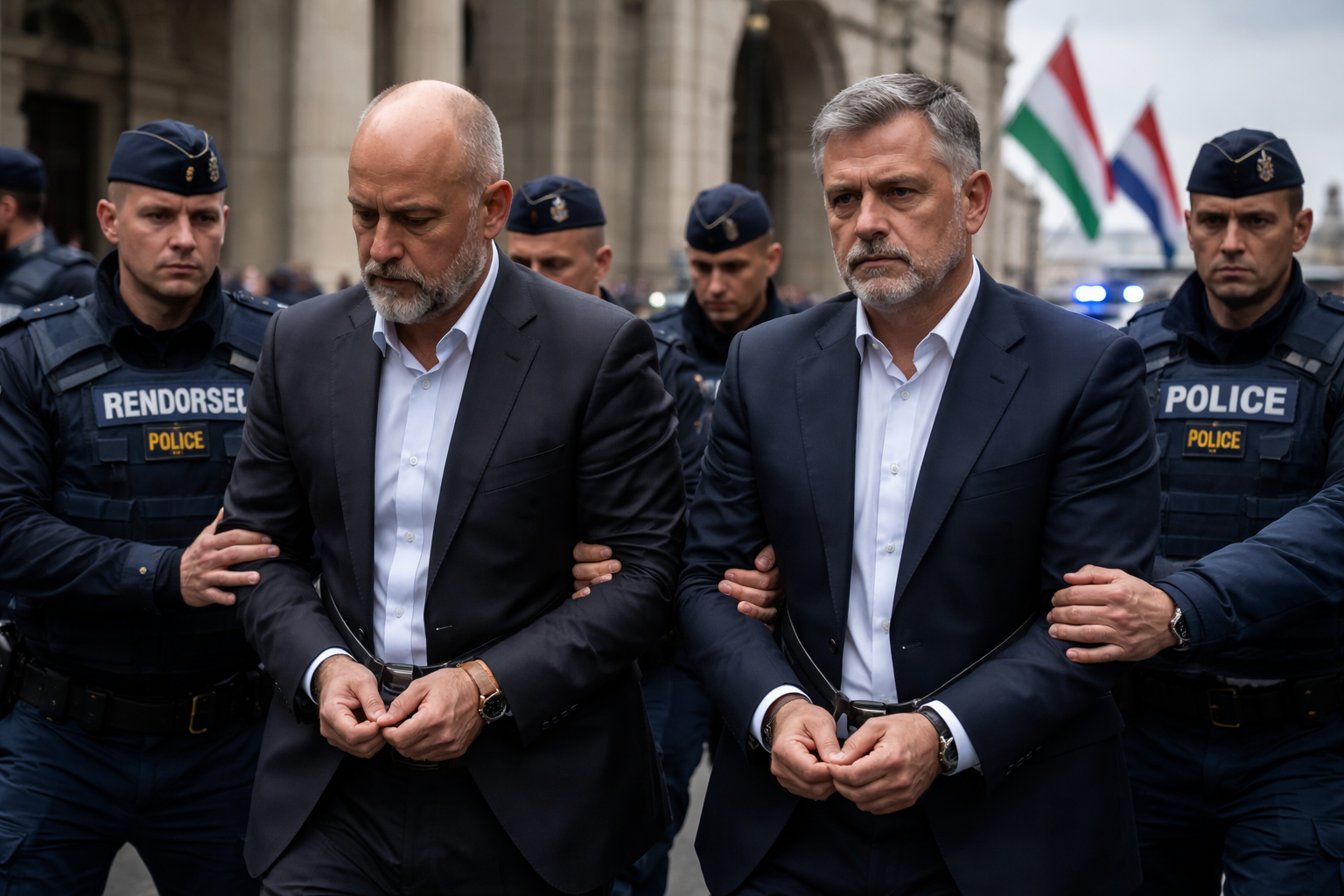


Daniel Kinahan, alleged leader of a cartel controlling a third of Europe’s cocaine, faces drastic lifestyle changes after extradition to Ireland
Daniel Kinahan’s first full day in Portlaoise prison marks a sharp fall from his life of luxury in Dubai. Known as a key figure controlling about a third of Europe’s cocaine supply, Kinahan now spends approximately 20 hours a day confined to a small cell, his only spending outlet limited to the prison tuck shop. The contrast is stark, revealing the reality facing the man accused of directing organized crime and involved in gun-running and racketeering.
His lavish lifestyle once included managing major boxing events through MTK Global and living comfortably in the United Arab Emirates. However, with an extradition treaty between Ireland and the UAE, supported by a U.S. reward offer of up to $5 million for information leading to his arrest, Kinahan was apprehended and flown back to Ireland. He now awaits trial and potentially faces decades in prison if convicted.
This report is based on details provided by the Irish Times regarding Kinahan’s arrest, extradition, and current incarceration conditions.
From Private Jets to Prison Cell Conditions
Once residing in a Dubai villa marked by extreme wealth and influence, Kinahan’s new reality is confined to a cell in Portlaoise prison, known for housing serious criminals including drug gang members. The prison offers minimal amenities: a small room described as slightly larger than a box room, a treadmill, some free weights, and limited reading materials labeled as a so-called gym and library. His daily routine includes meals served at fixed times and solitary exercise yard visits under constant watch, separated by wire netting to prevent contraband.
Despite these austere conditions, Kinahan remains phlegmatic about his situation, having been told at court that bail would not be granted. Observers noted he appeared paler and older than in previous photos, likely reflecting the strain of incarceration since April.
The Impact of U.S. Sanctions and International Cooperation
The turning point came after the U.S. Treasury Department publicly linked Kinahan’s group to a gang war causing multiple murders in Ireland and Spain. A $5 million reward for his capture put pressure on authorities, leading to a bilateral extradition treaty between Ireland and the UAE. This made possible his arrest in Dubai earlier this year and subsequent transfer to Ireland via government aircraft. Kinahan now faces charges of directing organized crime before a non-jury court, with the next hearing scheduled for October 5.
Legal Proceedings and Security Measures
At his initial court appearance, Kinahan was dressed in casual prison attire and remained calm despite the gravity of his situation. He is currently the sole inmate on a landing usually hosting eight, reflecting the high-security measures in place. Contact with his family in Dubai is restricted to video calls, and in-person visits happen through a glass partition. The prison’s precautions highlight the seriousness with which Irish authorities are treating the case.
Significance for Irish and Global Law Enforcement
Kinahan’s extradition represents a major success for Irish law enforcement and international agencies working against organized crime. From Dubai’s luxury to a high-security cell in Ireland, this shift underlines the global effort to dismantle powerful criminal networks that impact Europe’s cocaine trade and violent gang conflicts. Kinahan’s trial will be closely watched as it could lead to decades in prison and further disruption of the Kinahan cartel’s operations.