
Three years after a devastating 6.8-magnitude earthquake struck Morocco’s Al Haouz region, killing nearly 3,000 people and injuring thousands more, many victims continue to face delays and obstacles in receiving government assistance to rebuild their homes and lives.
The quake, which struck on September 8, 2023, centered between Marrakech and Agadir, severely damaged villages across the High Atlas Mountains. Although reconstruction efforts have helped many residents recover, disparities persist especially in remote areas.
Varied Recovery Experiences Across Villages
In the village of Ighermane, located about 30 miles southwest of Marrakech, residents like 72-year-old Mohamed Ait Belaid have made significant progress. He moved from living in a tent after the quake into a newly built, though smaller, home funded partly by a government grant combined with personal savings. He expressed gratitude for the partial state support totaling approximately 80,000 dirhams (around €7,300).
In stark contrast, 72-year-old Larbi Ait Jelloulat of Azgour has seen his home reduced to rubble with no reconstruction aid after years of navigating bureaucratic hurdles. The community in Azgour, the hardest-hit village in the area, still has dozens of families awaiting assistance while others have relocated and struggle with basic services like water and electricity connectivity.
Challenges in Rebuilding Remote Mountain Villages
The government and the High Atlas Development Agency (ADHA) report having built or rehabilitated over 54,000 homes and committed more than 7.2 billion dirhams (€656 million) to affected families. Despite these efforts, logistical challenges complicate reconstruction: remote terrain, lack of accessible roads, transportation difficulties, and the need to respect local building methods all slow progress.
Architect Mohamed Belmejjad from Marrakech acknowledged the complexity of the undertaking and described the reconstruction pace as relatively positive given the circumstances. However, shortages of skilled labor and architectural expertise remain major hurdles.
Ongoing Frustrations and Calls for Transparency
Organizations representing victims report thousands of families have yet to receive government support, with many excluded due to residency documentation issues, as some displaced persons hold ID cards listing residence outside affected zones. Victims allege that authorities treat them as mere statistics rather than providing dignified humanitarian aid.
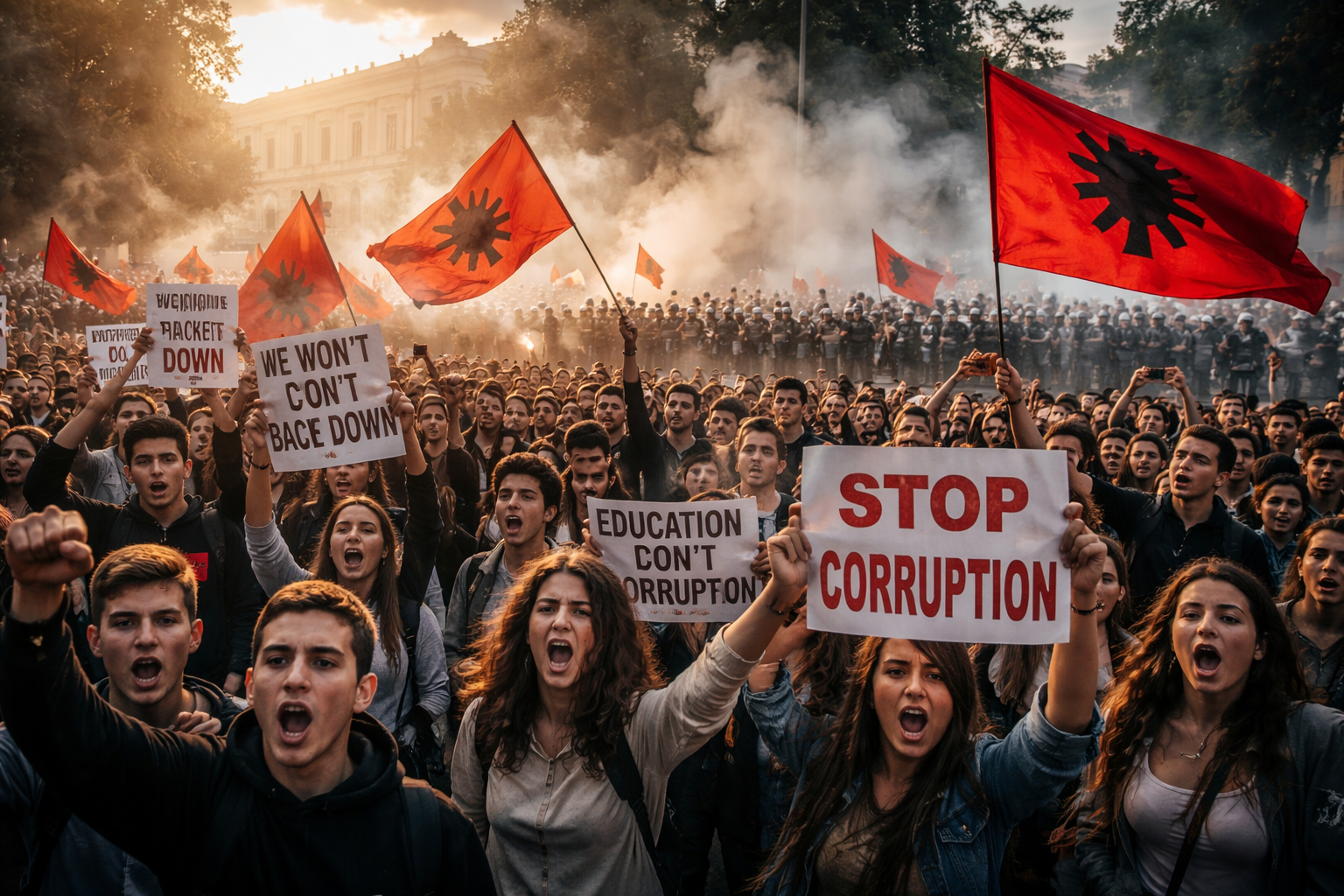
Some individuals and advocacy groups demand an independent investigation into how reconstruction funds are distributed. Protests have taken place in Morocco’s capital, Rabat, calling for compensation and proper housing for survivors. With national elections approaching, affected communities hope for renewed political attention though skepticism remains.
Meanwhile, thousands of survivors continue to face inadequate shelter, limited fresh water, and poor hygiene conditions exacerbated by the harsh mountain environment and approaching winter. International agencies have urged ongoing support to prevent disease outbreaks and ensure cultural respect in mourning lost family members.