

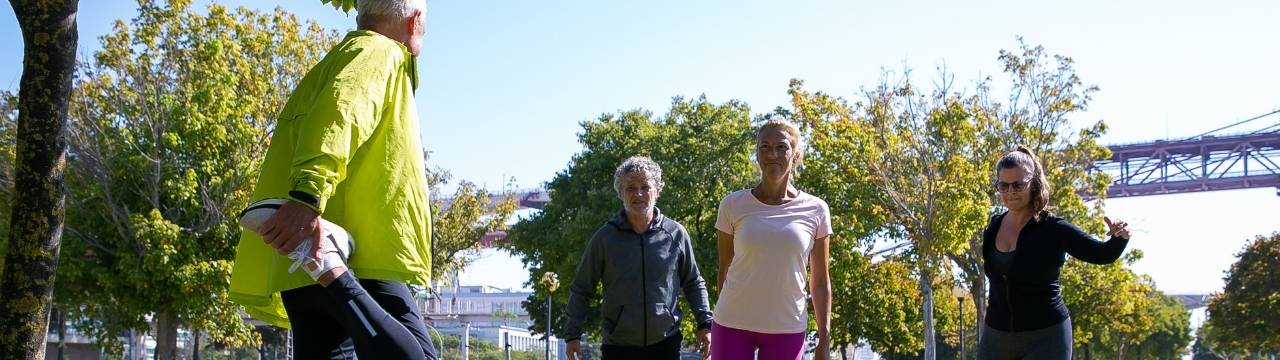
In today’s fast-paced world, physical activity is essential for both body and mind. Life challenges, stress, and long hours of sitting can weigh heavily, but movement helps build emotional resilience and courage. Even simple daily activity provides peace, hope in adversity, and a sense of balance. Many think exercise must be intense, but small, consistent steps create lasting strength and wisdom. With perseverance and a mindful approach, physical activity becomes more than just exercise—it becomes a source of spiritual encouragement and a reliable companion through life’s ups and downs.
2. What Is Physical Activity? A Simple and Clear Explanation
Physical activity is any movement that uses energy, from walking and climbing stairs to structured exercise. Unlike workouts alone, it includes everyday actions that keep the body engaged. Understanding this distinction helps people incorporate movement naturally. Physical activity supports emotional resilience, encourages hope in adversity, and can provide moments of calm during life challenges. By seeing it as a daily habit rather than a chore, we approach it with courage and wisdom, making it easier to sustain long-term benefits.
3. The Deeper Meaning of Physical Activity for the Human Body and Mind
Physical activity goes beyond physical health—it strengthens the mind. Regular movement releases tension, improves mood, and provides peace in stressful moments. It fosters hope in adversity and builds emotional resilience when facing life challenges. Activity encourages mental clarity, focus, and perseverance, guiding you with wisdom through daily pressures. Spiritual encouragement can also emerge from mindful movement, giving a sense of connection, balance, and inner calm. Over time, physical activity becomes a tool for both personal strength and mental fortitude.
4. Types of Physical Activity You Can Do in Daily Life

Physical activity comes in many forms. Aerobic activities like walking, cycling, and swimming boost endurance. Strength-based exercises, such as bodyweight training, build resilience and courage. Flexibility and balance practices, including yoga and stretching, bring peace and reduce stress. Even household chores, gardening, and taking stairs count as movement. Mixing different types ensures both physical and mental benefits, while promoting hope in adversity and perseverance as you gradually increase intensity. Adopting varied activity keeps life engaging and sustainable.
5. How Much Physical Activity Do You Really Need?
Guidelines suggest adults aim for at least 150 minutes of moderate-intensity or 75 minutes of vigorous activity weekly. Children and teenagers need more to support growth and energy. If you are inactive, start small—like short walks or light stretching—and gradually increase. Consistency matters more than intensity. Regular physical activity strengthens emotional resilience, encourages perseverance, and brings hope in adversity. By approaching it wisely and gently, you develop a habit that provides lasting physical and mental benefits.
6. Health Benefits of Physical Activity That Go Beyond Weight Loss
Physical activity improves cardiovascular health, strengthens muscles, and enhances flexibility. It also supports mental well-being, reducing anxiety and depression while increasing energy. Regular movement boosts cognitive function and helps maintain long-term health, offering wisdom through body awareness. Beyond these tangible effects, physical activity provides emotional resilience, spiritual encouragement, and peace, helping navigate life challenges with greater courage and balance.
7. Physical Activity and Mental Strength: Building Emotional Resilience Through Movement
Movement is a natural way to strengthen the mind. Physical activity reduces stress, improves mood, and fosters hope in adversity. It encourages perseverance and courage, teaching discipline through consistency. By connecting body and mind, it helps us respond to life challenges with wisdom rather than frustration. Over time, regular activity nurtures emotional resilience, offering peace and a sense of control, even in uncertain situations.
8. Physical Activity During Different Stages of Life
Children and teenagers benefit from play, sports, and active hobbies, which support growth and energy. Adults gain stamina, stress relief, and mental clarity through moderate exercise. Older adults focus on balance, flexibility, and strength to maintain independence. At every stage, physical activity provides emotional resilience, hope in adversity, and spiritual encouragement. Adapting routines to life stages ensures continued courage, perseverance, and long-term wisdom.
9. Common Barriers That Stop People from Being Physically Active
Lack of time, motivation, or access can discourage movement. Fear of injury or low energy also prevents many from starting. Overcoming these barriers requires planning, courage, and small achievable goals. Physical activity in any form builds emotional resilience, perseverance, and hope in adversity. Recognizing obstacles and addressing them gradually ensures sustainable habits and long-term peace.
10. How to Start Physical Activity If You Have Been Inactive
Begin with small, manageable steps like short walks, light stretching, or household movement. Set realistic goals and track progress to encourage perseverance. Avoid comparing yourself to others and focus on your own journey. Even modest activity improves emotional resilience and provides peace. Over time, consistent effort builds courage, wisdom, and a sense of accomplishment, turning movement into a rewarding habit.
11. How to Turn Physical Activity into a Daily Habit
Consistency is key. Link activity to daily routines, such as walking during breaks or stretching after waking. Celebrate small milestones to maintain motivation. Mindful practice encourages perseverance and emotional resilience. Building habits gradually helps physical activity feel natural rather than forced. Through routine, you gain courage, wisdom, and hope in adversity, making movement a sustainable, long-term companion for health and balance.
12. Physical Activity at Home vs Gym: Which Is Better?
Home activities offer convenience, privacy, and flexibility, while gyms provide structure, equipment, and social encouragement. The best choice depends on personal preference and lifestyle. Both support emotional resilience, perseverance, and physical well-being. Consistency, rather than setting, ensures long-term benefits. With the right mindset, either environment can provide peace, hope in adversity, and spiritual encouragement through movement.
13. The Role of Physical Activity in Spiritual and Emotional Well-Being
Movement can be meditative, offering moments of reflection, clarity, and gratitude. Activities like yoga, tai chi, or mindful walking strengthen both body and mind, nurturing spiritual encouragement and peace. Physical activities enhances emotional resilience, provides hope in adversity, and teaches perseverance. Recognizing this deeper connection fosters courage and wisdom, turning daily movement into a source of inner strength and holistic health.
14. How Physical Activities Helps During Hard Times and Life Challenges
During stress, grief, or uncertainty, movement can stabilize mood and provide control. Physical activities offers emotional resilience and hope in adversity, helping people navigate life challenges with courage. Even gentle exercise fosters perseverance and a sense of peace. Regular activity acts as a reliable support system, guiding the mind and body through hardships while building lasting wisdom and confidence.
15. Simple Examples of Physical Activities Plans for Different Lifestyles
- Busy office worker: 10-minute walks, stretching breaks, short stair climbs
- Stay-at-home individual: home workouts, household chores, yoga sessions
- Older adult: gentle walks, balance exercises, light strength training
- Beginner: start small, gradually increase intensity
These examples build emotional resilience, perseverance, and hope in adversity, while integrating movement naturally into daily life for lasting health and peace.
16. Myths and Misunderstandings About Physical Activity

Physical activities does not require a gym, long hours, or intense routines to be effective. Even moderate, regular movement benefits body and mind. Believing these myths can prevent progress. Small, consistent steps provide emotional resilience, spiritual encouragement, and hope in adversity. Understanding the truth fosters courage, perseverance, and wisdom, ensuring a healthier, balanced approach to physical activity.
17. Signs You Are Doing Too Much or Too Little Physical Activity
Too much activity can cause fatigue, soreness, or injury, while too little limits benefits. Listen to your body and adjust routines gradually. Maintaining balance builds emotional resilience, perseverance, and hope in adversity. Wise practice provides peace, courage, and long-term strength, ensuring physical activity remains beneficial and sustainable.
18. How to Stay Motivated Without Depending on Motivation
Rely on systems, routines, and small, achievable goals rather than fleeting motivation. Celebrate progress and track habits to reinforce consistency. This approach encourages emotional resilience, perseverance, and hope in adversity. Physical activity becomes a source of courage, spiritual encouragement, and wisdom, creating lasting lifestyle change even in challenging circumstances.
19. Mistakes That Prevent People from Getting Results from Physical Activity
Common mistakes include overtraining, quitting too early, neglecting planning, and comparing with others. Avoiding these errors requires patience, perseverance, and self-compassion. Physical activity supports emotional resilience, hope in adversity, and courage when practiced wisely. Recognizing pitfalls ensures sustainable habits and long-term peace, balance, and wisdom.
20. Frequently Asked Questions About Physical Activity
- What counts as physical activity?
- How much is enough?
- Is walking sufficient?
- Can I start at any age?
- How quickly will I see results?
Answering these questions builds knowledge, emotional resilience, and hope in adversity, guiding readers toward sustainable and balanced physical activity practices.
21. Final Thoughts: Physical Activity as a Lifelong Companion, Not a Temporary Task
Physical activity is more than exercise—it is a lifelong companion for health, peace, and resilience. With consistency, courage, and wisdom, movement becomes part of daily life, offering hope in adversity and spiritual encouragement. Even small steps bring lasting benefits, reinforcing perseverance and emotional balance. By embracing physical activity with patience and mindfulness, we cultivate strength, calm, and long-term well-being that carries us through all of life’s challenges.
You must read “Why Getting the Right Auto Insurance Quote Matters More Than You Think“