

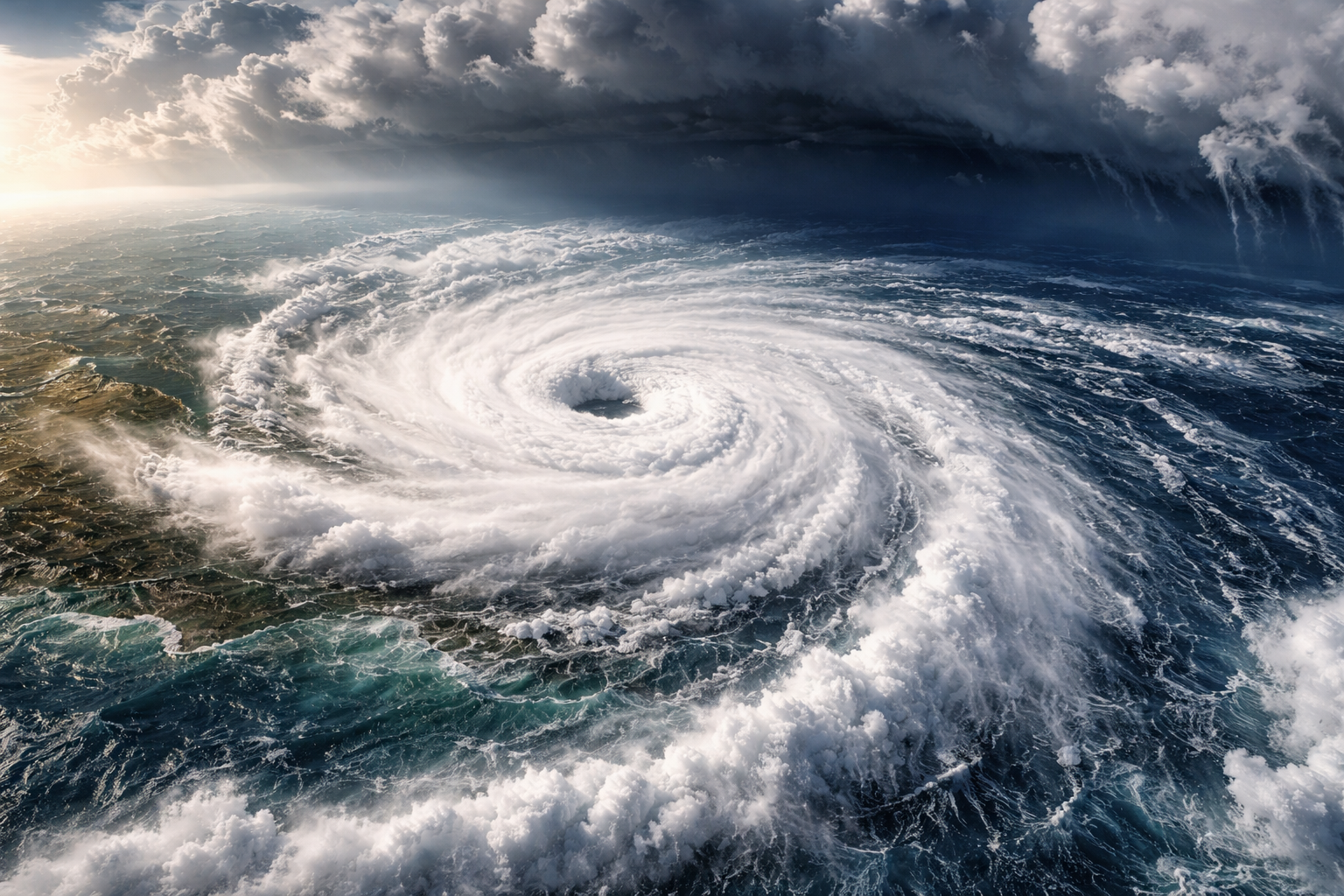
Hurricane Isaias has intensified to a Category 2 storm as it approaches the US Gulf Coast, with landfall expected Friday night or early Saturday along the coasts of Florida, Alabama, or Mississippi. According to the US National Hurricane Center (NHC), Isaias is accompanied by sustained winds of 105 mph and is forecasted to bring dangerous storm surge, damaging winds, and heavy flooding rains.
Authorities have issued mandatory evacuation orders for northeastern Florida’s coastal areas and declared states of emergency in parts of Alabama and Georgia. The NHC emphasized that residents in the storm’s path should complete emergency preparations immediately to protect lives and property.
Storm Track and Official Warnings
The National Hurricane Center estimates Isaias is approximately 230 miles south of the Mississippi River delta in the Gulf of Mexico. It is the first hurricane to form this Atlantic season, which began June 1. This year’s unusually quiet season has been attributed to a strong El Nino phenomenon, which has hindered storm formation in the Atlantic through increased vertical wind shear.
Markwayne Mullin, from the US Department of Homeland Security, confirmed that federal agencies are coordinating response efforts with state and local officials. He urged residents along the Gulf Coast to stay alert and prepare immediately for the hurricane’s arrival.
Impact on Oil and Gas Production
The hurricane’s trajectory crosses key oil and gas production zones in the Gulf of Mexico. Due to safety precautions, offshore platforms and rigs have been evacuated. The Marine Minerals Administration reported that roughly 63% of regional oil production, equating to nearly 1.3 million barrels per day, has been halted temporarily. Gas production has also been impacted, with 57% suspended. Offshore Gulf production accounts for about 15% of the annual crude output in the US.
Related Weather Activity in the Pacific
Meanwhile, El Nino’s effects have contributed to a more active hurricane season in the Pacific. Hurricane Simon, currently a Category 1 storm with sustained winds of 90 mph, is moving toward Mexico’s Pacific coast. The NHC expects Simon to rapidly intensify and potentially become a major hurricane as it approaches Jalisco state, including the popular tourist destination of Puerto Vallarta, expected late Friday or early Saturday.