
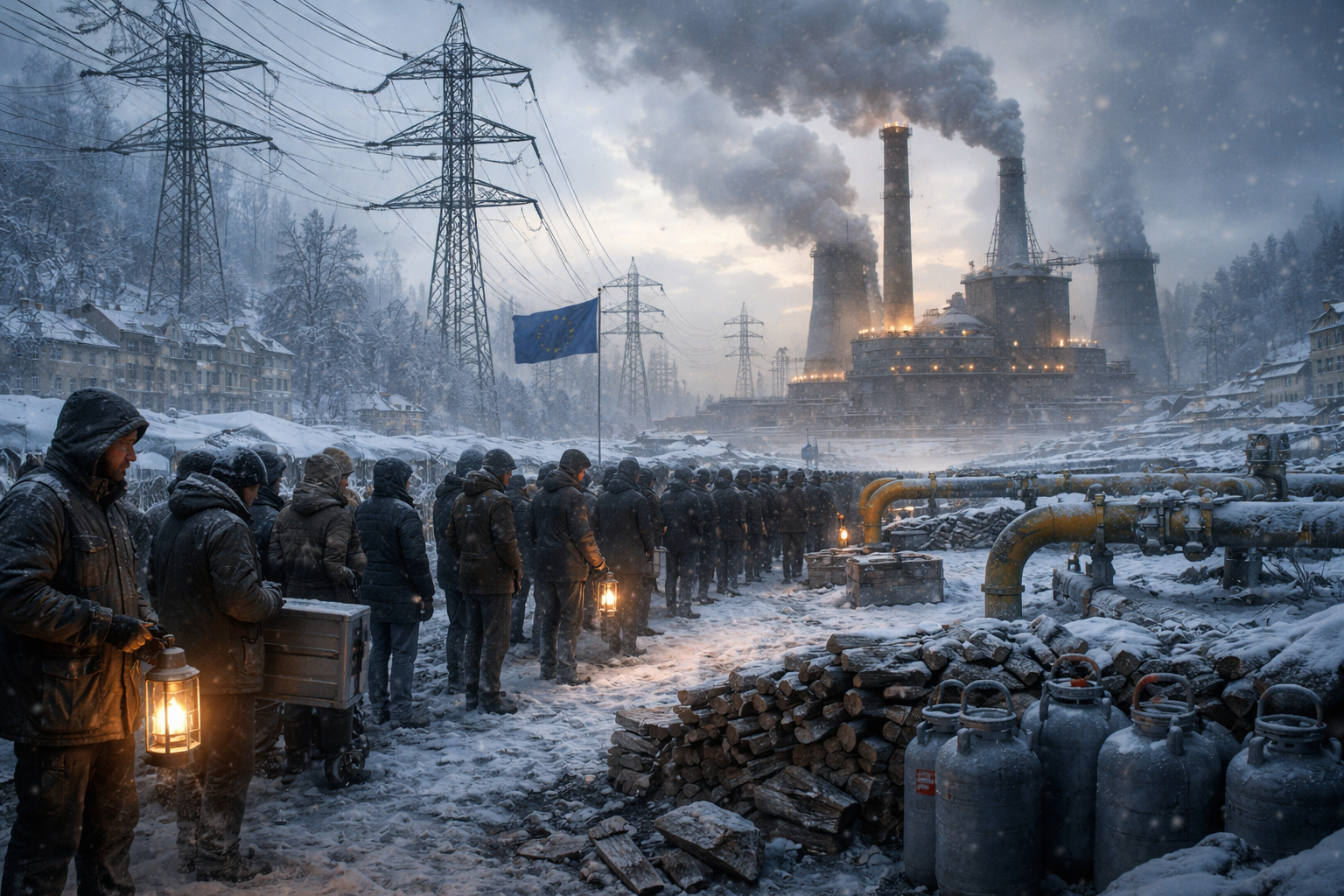
Dr. Fatih Birol, the chief of the International Energy Agency (IEA), has warned that energy prices in Europe could rise further if the region endures a harsh winter. In an interview with the BBC program Sunday with Laura Kuenssberg, Birol described the ongoing Iran conflict as the “largest energy security threat in history,” influencing global energy markets dramatically.
Energy bills in the United Kingdom are expected to increase by 26% for millions of households in January due primarily to surging gas prices linked to the conflict, which began in February. Birol emphasized that the energy system will not return to its pre-war state, saying, “The vase is broken. Once it is broken, you cannot bring it back together.”
Rising Wholesale Costs Drive Price Surges
According to Ofgem, the UK’s energy regulator, the upcoming price cap adjustment for January to March reflects a 33% rise in wholesale gas prices over the past three months. These prices have more than doubled since late 2025, directly impacting suppliers’ costs and consumer energy bills.
Dr. Birol highlighted the critical importance of the Strait of Hormuz’s status, noting that the reopening of this key passage in a stable and convincing manner would significantly influence global energy availability and pricing. However, if Europe experiences a severe winter, he warned that although outright shortages might be avoidable, energy prices could escalate beyond current levels.
Additional Risks to Energy Infrastructure
The IEA head also drew attention to a fourfold increase in cyberattack attempts targeting energy infrastructure in recent years, underscoring emerging threats to energy security beyond physical supply issues.
To assist households with rising costs, the UK government has announced a £100 payment for up to 20 million households starting January 4, with similar support available in Scotland and Wales.
Outlook and Broadcast Information
Dr. Birol’s remarks provide a sobering outlook on energy stability as winter approaches. His full interview is scheduled to air on BBC One on November 29 at 09:00 GMT.