

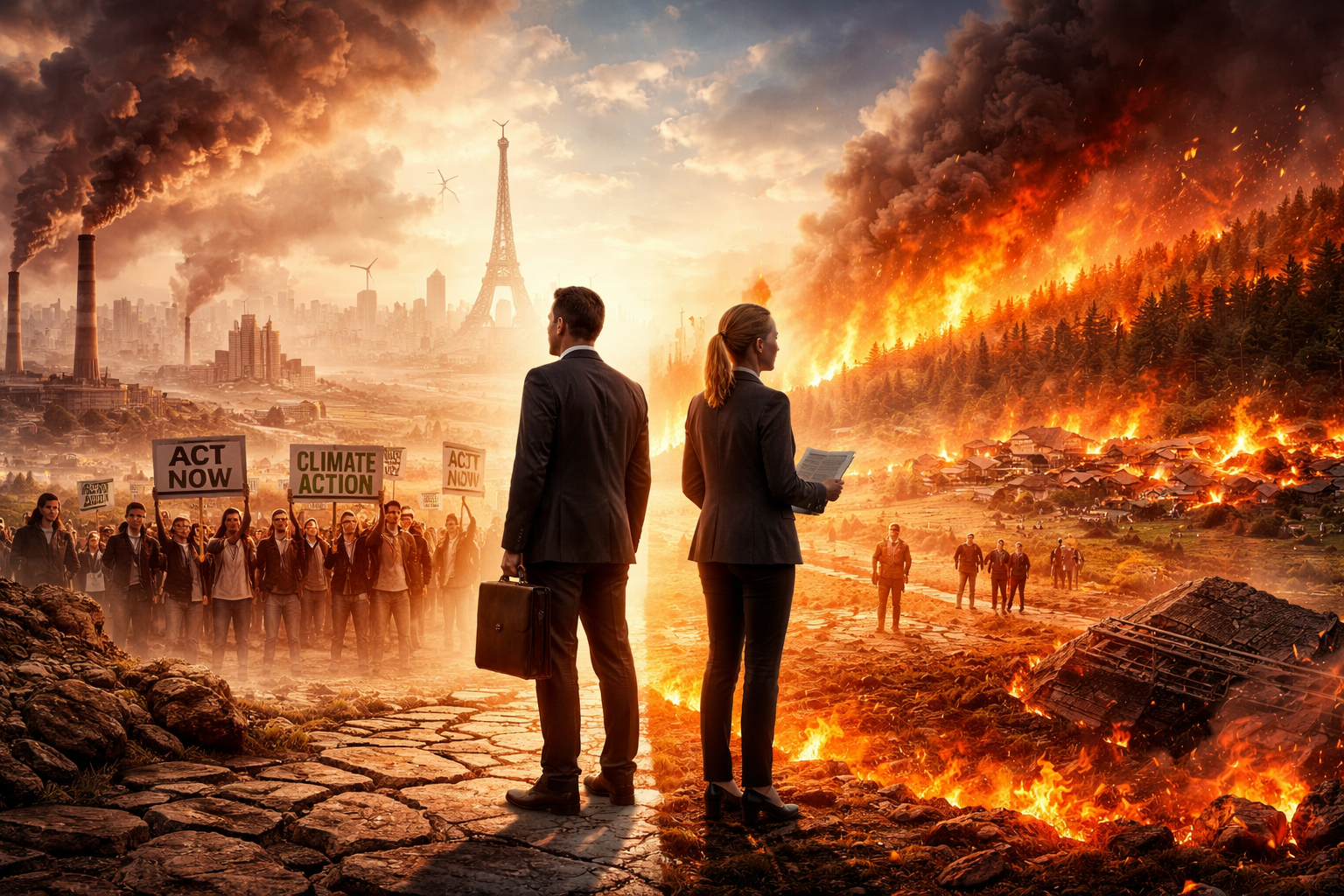
Europe experienced a brutal summer of unprecedented heatwaves and environmental damage, with estimates reaching €180 billion in costs, highlighting the urgency of climate change. Despite the scale of devastation—from burning forests to depleted rivers—political reactions across Europe and other parts of the world have been largely insufficient or inconsistent, according to experts and advocacy groups.
The European Commission described the period as a “summer of truth,” with the blaze of climate chaos leading to approximately 35,000 deaths across Europe alone. Extreme temperatures shattered records, crops were scorched, and infrastructure suffered severe damage, all while Europe continues to warm at twice the global average rate.
Massive Economic and Environmental Toll
The European Union estimates damages totaling about €180 billion, including extensive repair costs and depleted harvests that may fuel further food inflation. The full impact remains unfolding as governments begin infrastructure repairs and prepare for the aftermath of climate-fueled disasters.
Heatwaves warped train tracks and melted roads, while rivers and reservoirs dried up, compounding environmental emergencies. The widespread costs underscore the increasing financial burden climate change is imposing on societies.
Political Responses Vary Widely
While some European leaders pledged renewed commitments to climate goals, such as doubling low-carbon energy investments and promoting electrification, critics say these efforts are inadequate or contradicted by ongoing support for fossil fuels within the EU budget and infrastructure projects.
Countries like the Netherlands, France, and the UK have introduced plans to shift away from fossil fuels, with notable efforts in community energy programs and accelerated electrification. Meanwhile, developing nations such as Thailand, Indonesia, and India have increased renewable energy ambitions, with India already surpassing its 2030 renewable targets.
Conversely, some governments continue to expand fossil fuel infrastructure: Germany is constructing new gas power plants, France is behind on emissions reduction targets, and Australia approved coal mine expansion despite co-hosting upcoming climate talks. In the United States, the rollback of environmental protections continues despite record-breaking heat.
Far-Right Politics and Climate Denial
Populist and far-right groups have intensified climate denial and resistance, often framing emission reduction efforts as economically harmful. In some cases, they advocate adaptation through increased air conditioning rather than emission cuts, a stance criticized for ignoring the root causes of climate change and its broader humanitarian effects.
This political stance complicates efforts to address climate-driven migration and broader global inequalities, as rising extremist politics weaponizes concerns about affordability and living standards to defend fossil fuel interests.
Disconnect Between Public Concern and Political Action
Public demand for climate action remains strong; polling in the US and Europe indicates that large majorities recognize the reality of climate change and express concern about political inaction. However, experts note a persistent gap between voter expectations and official responses, with some politicians avoiding climate discussions to focus on immediate economic concerns.
Environmental campaigners warn that if this “summer of truth” fails to drive lasting political commitment, similar or worse crises will recur, making decisive climate action indispensable for future resilience.