
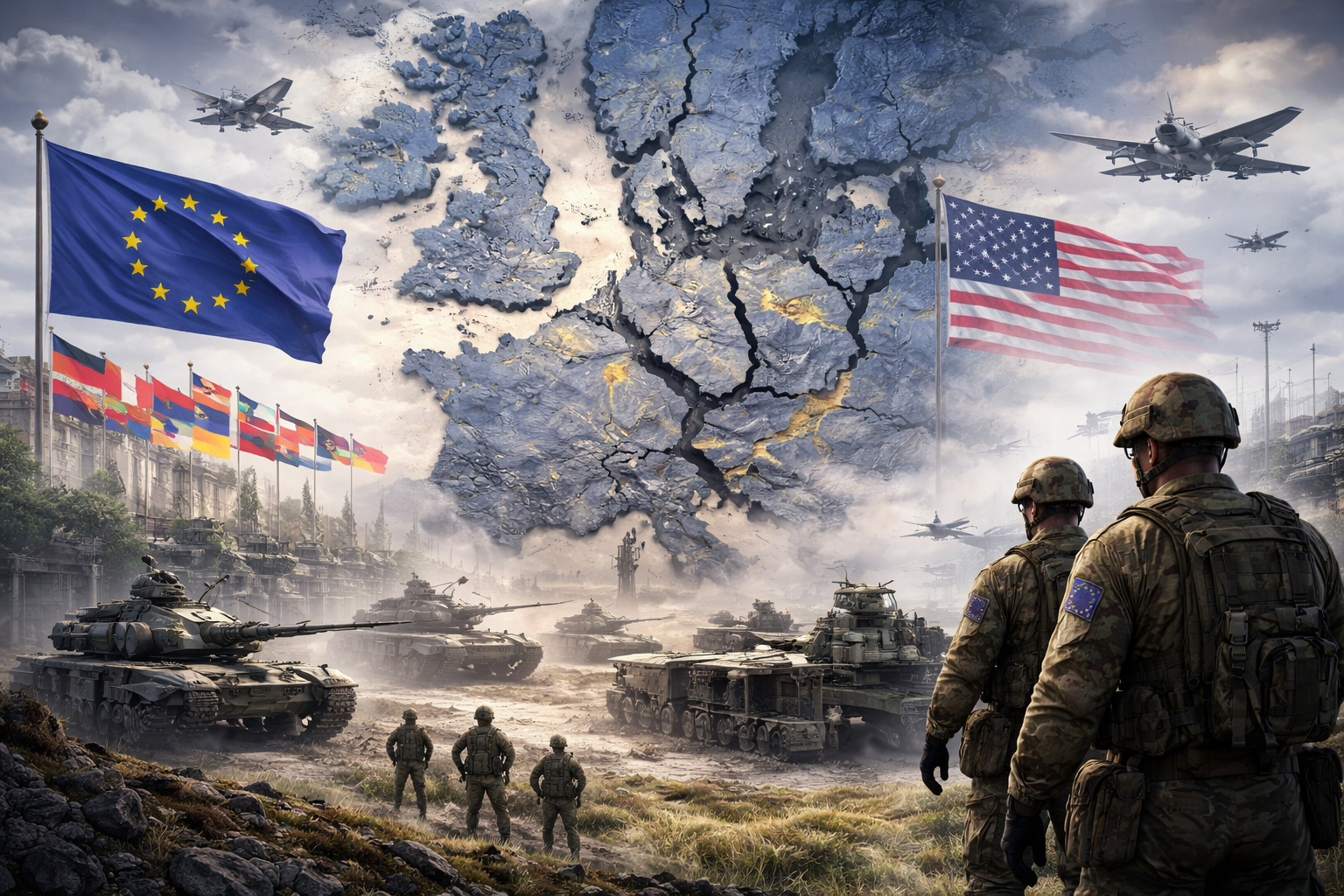
The European Union’s ability to defend itself against a potential foreign invasion by 2030 remains uncertain, according to a recent report from the European Court of Auditors (ECA). Despite improvements since Russia’s full-scale invasion of Ukraine in 2022, the EU’s fragmented defense infrastructure and continuing reliance on the United States pose significant challenges to achieving its defense readiness objectives.
The ECA report, led by Marek Opioła, examined the bloc’s defense policy and found that meeting the goal of strategic autonomy—defined as independent capacity to sustain high-intensity warfare—will be difficult without major reforms. National defense systems remain fragmented and industrial production bottlenecks persist, with insufficient cooperation among EU member states contributing to duplicated spending and capability gaps.
Defense Spending and Industrial Cooperation
Between 2020 and 2025, defense expenditures among EU members rose by 79% as a response to the Russian threat and efforts to align with NATO targets. However, despite these increases, the EU is still heavily dependent on foreign suppliers, primarily the United States, which accounted for 63% of defense acquisitions between February 2022 and June 2023. The surge in U.S. purchases was deemed necessary to meet urgent battlefield needs after the invasion of Ukraine.
The report criticized this reliance but recognized short-term imperatives, noting that while urgent foreign procurement may be justified, there should be long-term plans to build those critical capabilities within the EU. This tension is also seen in recent developments, such as Ukraine’s request for exemption from the EU’s “Buy European” rules to procure U.S.-made Patriot missile interceptors funded by the EU’s support loan.
Challenges in Joint Defense Projects and Strategic Autonomy
Industrial challenges were exemplified by the cancellation of a €100 billion joint fighter jet project by France and Germany, due to unresolved leadership disputes between the main companies involved. This case underscores how political and industrial fragmentation hampers the EU’s collective defense ambitions.
While the report acknowledged that the EU is better prepared than it was in 2019, it concluded that significant strides in increasing defense spending and expanding ammunition production are essential for progress. The goal of achieving full defense readiness by 2030 faces obstacles linked to national fragmentation, industrial bottlenecks, and the persistent need for greater European cooperation and strategic autonomy.
Outlook and Next Steps
The senior auditor emphasized that although challenges remain, the EU could make substantial progress by sharply increasing defense investments and fostering collaboration. Flexibilities allowing procurement from non-EU countries can address urgent requirements, but developing domestic capacities over the long term is vital to reduce dependence on external powers and enhance the bloc’s resilience against future security threats.