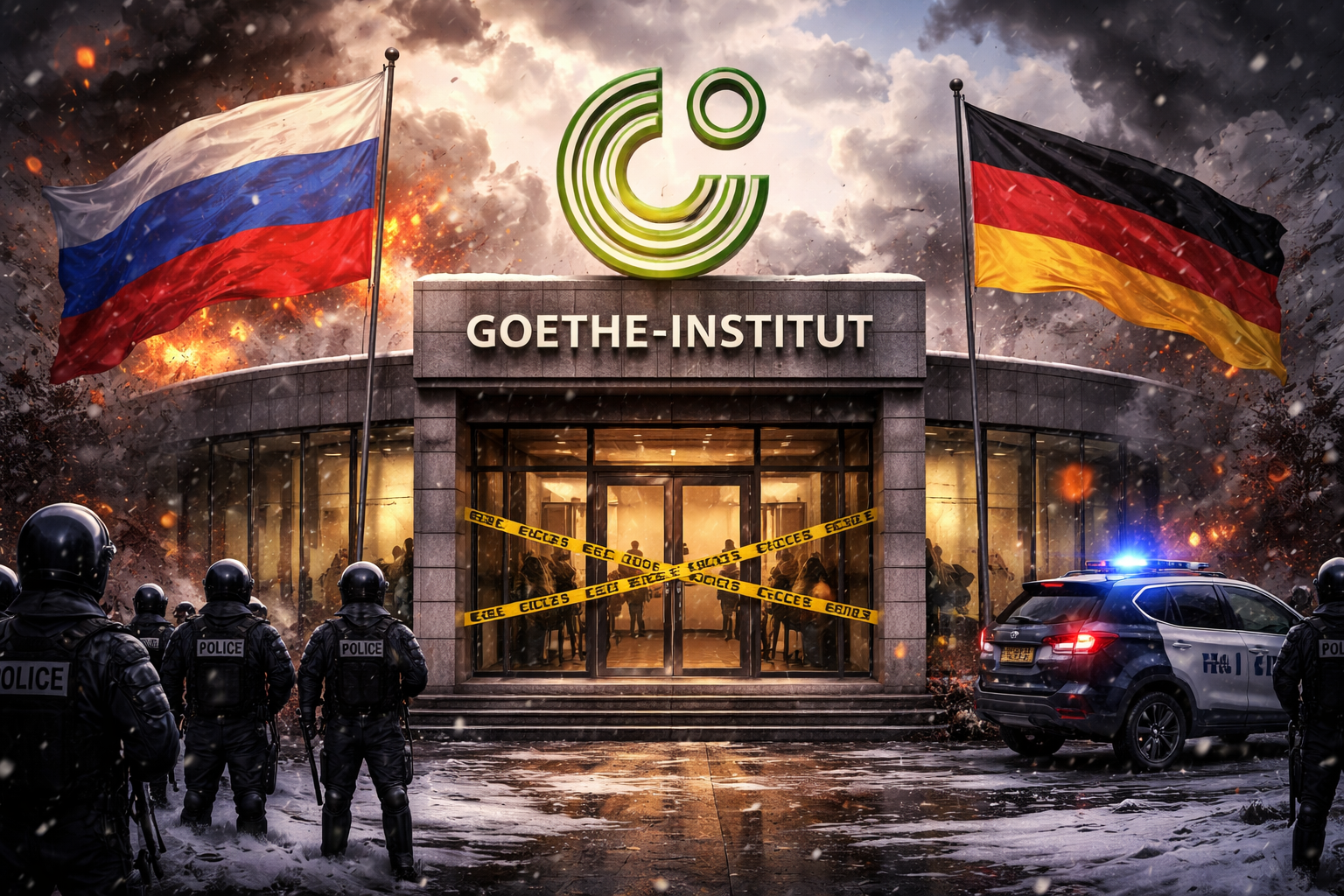

A Cuban dance instructor living in Russia has been identified as the organizer behind a network of saboteurs conducting arson and sabotage operations across several European Union countries on behalf of Russian intelligence. The man, operating under the alias “Dios,” recruited vulnerable individuals, primarily from Spanish-speaking countries, to carry out these attacks remotely, according to an investigation by Deutsche Welle and European broadcasting partners.
Oemis Romagoza Durruthy, a salsa, bachata, and kizomba teacher based in Petrozavodsk, Russia, allegedly coordinated these acts of sabotage through online job postings and direct contact. Authorities confirm that Romagoza has ties to Russia’s military intelligence, known as the GRU, and he remains wanted by European law enforcement.
The investigation sheds light on Russia’s tactic of employing so-called “disposable agents”—often unaware of their handlers’ identities or the true nature of their missions—to compensate for intelligence gaps caused by diplomatic expulsions since the 2022 invasion of Ukraine.
Recruitment and Methods
Romagoza used social media and encrypted messaging platforms like Telegram to post offers of work disguised as photography or logistical tasks, targeting people with military or tactical experience. Offers promised payments of $1,500 plus bonuses for successful missions. One recruit, Luis Alfonso Murillo Diosa, a former Colombian soldier, was arrested in Romania after photographing designated targets, which included factories and recycling plants destined for sabotage.
According to court documents, Murillo never intended to commit arson and thought he was traveling to Ukraine to enlist. He was ultimately sentenced to six years in prison for attempted sabotage.
Scope of Attacks
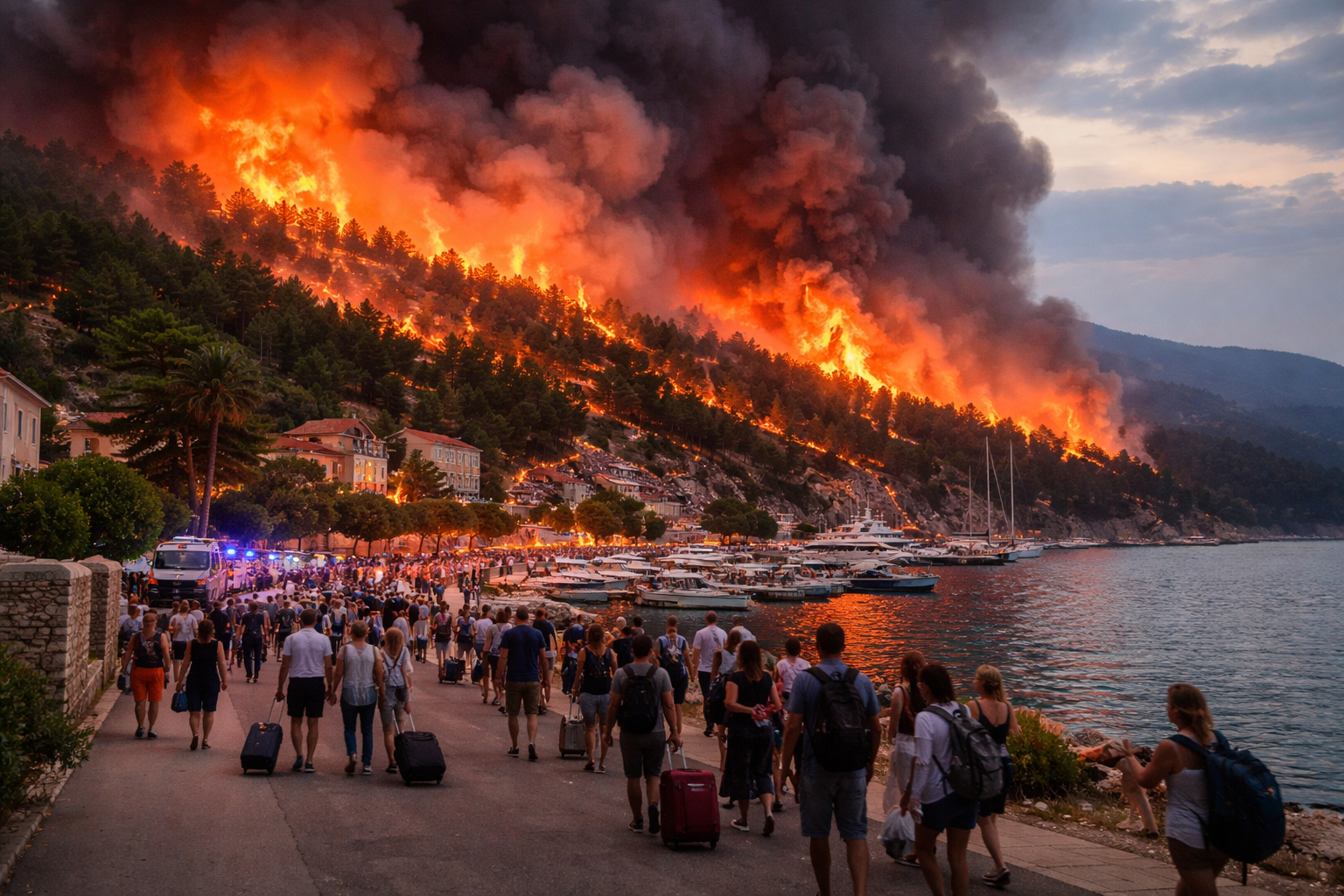
From early to late 2024, Dios orchestrated arson attacks on construction supply sites in Poland, a bus garage in the Czech Republic, a recycling facility in Romania, and production equipment in Lithuania. Lithuanian prosecutors explicitly linked these incidents to the GRU and listed Romagoza as an international suspect.
Other incidents attributed to disposable agents in 2024 include the burning of a shopping center in Poland, an arson at an IKEA store in Lithuania, and attacks on logistics hubs across Europe. German authorities reported a drone attack targeting a Ukrainian freight plane.
Russia’s Use of Disposable Agents
Experts note that these disposable agents often have no prior connections to Russian intelligence and are recruited for financial incentives, frequently coming from vulnerable or displaced communities. The Kremlin’s use of such operatives is viewed as a way to maintain covert sabotage capabilities despite diplomatic setbacks.
Keir Giles, a conflict researcher, said that Russia’s interest in projecting omnipresence and the ability to damage European targets underlies this approach.
Ongoing Investigation and Status
At least nine individuals recruited by Romagoza have been arrested, with some serving prison sentences for attempted sabotage or terrorism charges. European authorities continue searching for Romagoza, who is believed to remain in Russia. Recent social media activity shows him still leading dance classes and joining online groups seeking Latin Americans interested in work or fighting in Poland.
The investigation by DW and its partners remains ongoing, underscoring concerns that Russia’s sabotage campaign in Europe is persistent and that individuals motivated by money continue to be targeted as disposable agents.