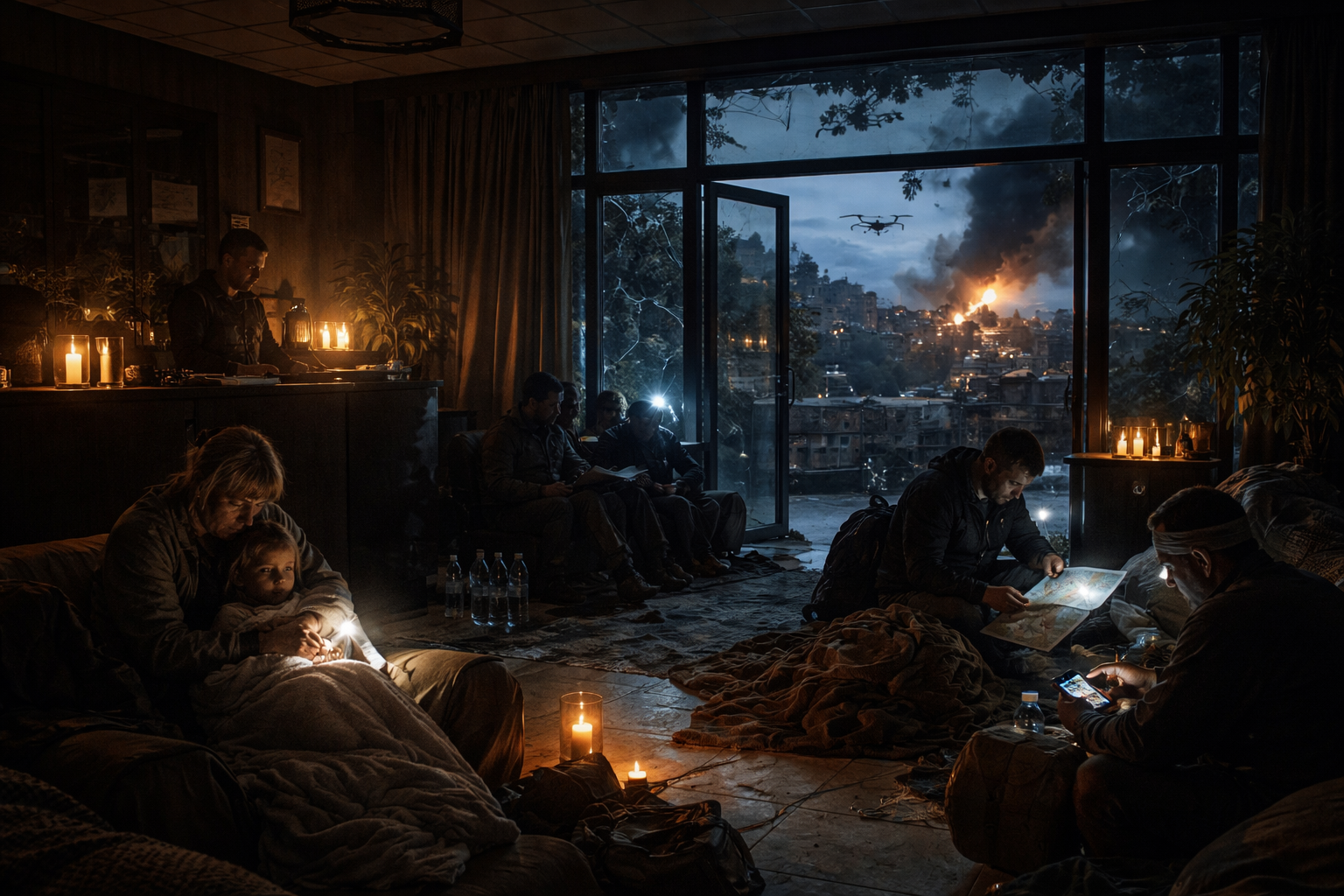


Unhoused people in Atlanta had tents, medication and identification thrown away near a World Cup fan zone, reviving scrutiny of the city’s encampment clearings.
As Atlanta basks in the global attention of the World Cup, the treatment of the city’s unhoused population has become a source of mounting friction. The Guardian reported that city employees recently discarded tents, medication, identification and other possessions belonging to unhoused people at a public park and did so without any warning.
The timing and location have drawn particular scrutiny. The park sits less than a mile from a popular gathering spot for World Cup watch parties, placing the incident squarely within the tournament’s orbit and sharpening long-simmering tensions over how Atlanta’s several thousand unhoused residents are being handled while the world watches.
For activists and at least one local official, the episode appeared to breach procedures the city adopted after a fatal incident last year. Cornelius Taylor was killed when a city worker operating a front loader ran over his tent during the clearing of a homeless encampment, crushing him inside what had been his home. The safeguards created in the aftermath were meant to prevent exactly the kind of sudden, unannounced removal that unfolded at the park.
City officials have pushed back on the characterization. One official maintained that the location, where roughly 15 people had been living for months, was “not an encampment” and disputed that the incident amounted to a sweep at all, per The Guardian.
The Guardian’s Barney Ronay framed the situation as part of a familiar pattern rather than an Atlanta-specific failure. He argued that the displacement of vulnerable populations is a recurring feature of mega events, describing it as the predictable result of applying “incredibly violent economic forces” to host cities, and noting he has witnessed the same dynamic at every World Cup he has covered.
The situation places Atlanta within a longer history of tournaments reshaping urban landscapes in ways that fall hardest on those with the least. For the people whose belongings were thrown out, the calculus is far more immediate, with the tournament’s arrival coinciding with the loss of what little they had.
More must-reads: