

Introduction: Why Proper Business Letter Format Matters
Writing a professional letter is more than putting words on paper — the right business letter format ensures your message is clear, organized, and credible. Whether sending a job application, business inquiry, or formal complaint, understanding proper structure can make a big difference. Many people search for business letter format templates or sample business letters to guide them. Using correct formatting and style reflects professionalism, builds trust, and helps your message stand out. Facing professional life challenges with a well-structured letter can offer peace, confidence, and hope in adversity.
What Is a Business Letter?
A business letter is a formal piece of correspondence used for professional communication. Unlike casual or personal letters, it follows a strict structure to maintain clarity and professionalism. Business letters are used in corporate communication, job applications, complaints, recommendations, and official requests. They serve as a record and reflect your attention to detail, emotional resilience, and commitment to clarity. Understanding how to write a business letter format properly helps convey courage, wisdom, and respect while addressing challenges in professional or academic environments.
Key Components of a Business Letter
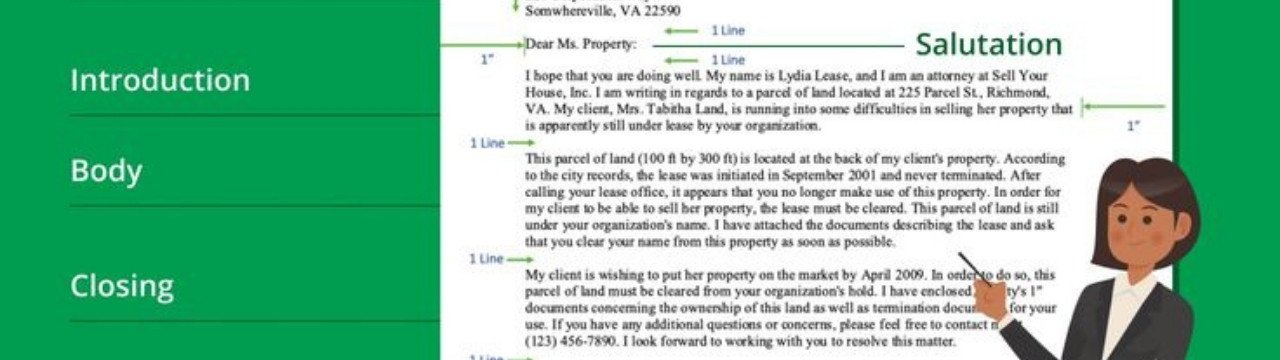
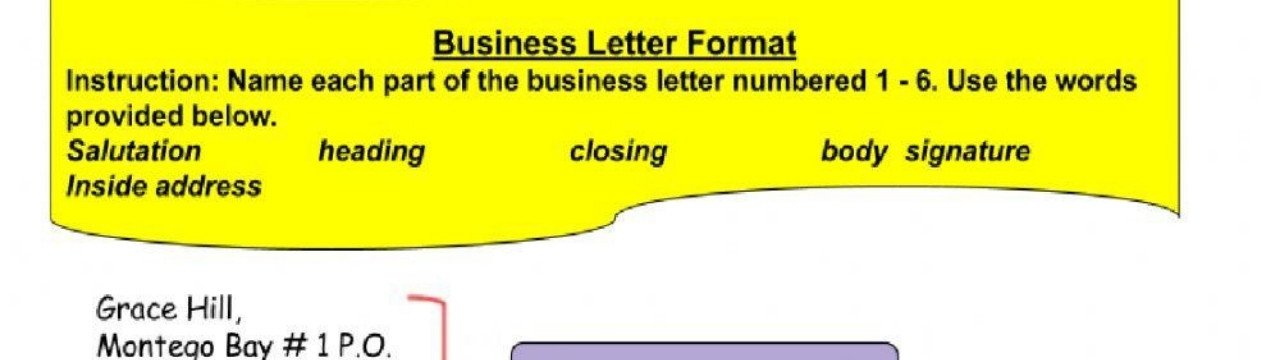
A properly formatted business letter includes several key components:
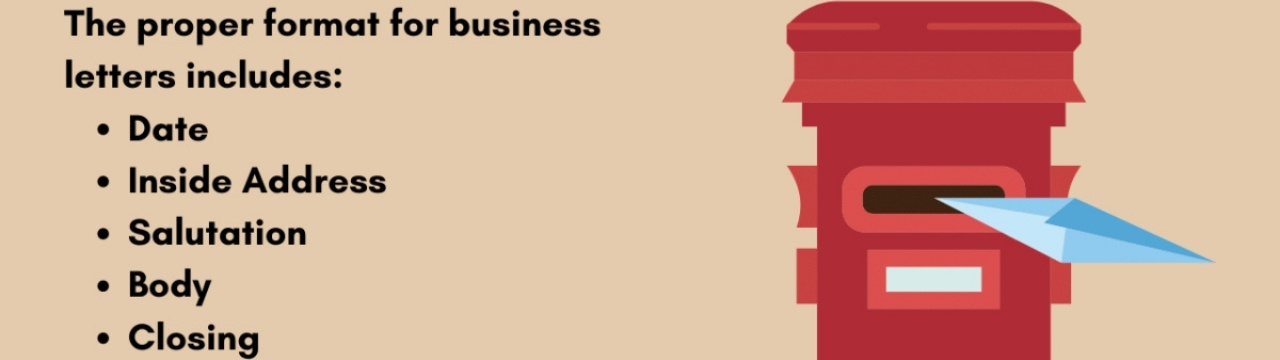
- Sender’s address – your contact details
- Date – when the letter is written
- Recipient’s address – official recipient details
- Salutation/Greeting – formal greeting such as “Dear Mr. Smith”
- Body of the letter – introduction, main points, conclusion
- Complimentary close – phrases like “Sincerely”
- Signature – handwritten or digital
- Enclosures/CC – optional attachments
Following these elements carefully ensures your letter demonstrates perseverance, wisdom, and professionalism.
Common Business Letter Formats
There are three main business letter formats:
- Block Format – everything aligned to the left, most popular
- Modified Block Format – date and closing indented
- Semi-Block Format – paragraphs indented
Choosing the right format shows attention to detail and courage in professional communication. Understanding business letter format in English ensures clarity and consistency. Each format is suitable for different scenarios, and following them faithfully helps maintain professionalism during life challenges.
Tone, Language, and Style
Your business letter should be polite, formal, and concise. Avoid slang or informal language. A clear tone reflects emotional resilience and wisdom in communication. Every word carries weight; choose phrases that convey respect and professionalism. Proper tone demonstrates courage to communicate effectively, provides peace to the reader, and can serve as spiritual encouragement when navigating professional challenges.
Step-By-Step Guide to Writing a Business Letter
- Plan your letter – know your purpose
- Structure your paragraphs – introduction, body, conclusion
- Use proper salutation and closing
- Proofread – check grammar, punctuation, and format
Following a systematic approach shows perseverance and builds confidence. Writing a professional letter with correct business letter format sample templates allows you to approach challenges calmly and with clarity.
Examples and Templates
Here are some commonly used business letter examples:
- Business Inquiry Letter – requesting information professionally
- Job Application Letter – highlighting skills and experience
- Complaint Letter – addressing issues respectfully
- Recommendation Letter – endorsing a colleague or employee
Using these business letter format templates helps save time while ensuring professionalism. Templates also provide a foundation to build courage and clarity when communicating in challenging situations.
Digital Business Letter Format
In the digital era, emails often replace printed letters. However, digital letters still require proper formatting.
- Email formatting – subject line, greeting, body, closing
- File formats – .doc, .pdf for attachments
- Ensure spacing, alignment, and clarity remain intact
Following digital formatting etiquette demonstrates emotional resilience and wisdom, while showing respect for the recipient and the professional environment.
Common Mistakes to Avoid
Avoid these common errors when writing a business letter:
- Wrong salutations or closings
- Poor alignment or spacing
- Excessive length or unclear content
- Grammar or punctuation errors
Correcting these mistakes requires perseverance and attention to detail, reinforcing the professional and credible image conveyed by a proper business letter format.
Cultural & Regional Variations
Business letters may vary across countries:
- US – block format common
- UK – formal style, may include sender info differently
- Other regions – variations in salutations, titles, and closings
Awareness of regional norms reflects wisdom, professionalism, and emotional intelligence, helping overcome potential cross-cultural challenges.
Tips to Make Your Letter Stand Out
- Personalize content for the recipient
- Use clear headings or bullet points if needed
- Include titles, credentials, and professional details
- Maintain consistent formatting and style
These small touches provide courage and confidence, helping your message resonate while demonstrating perseverance and respect.
Checklist Before Sending Your Letter
- Verify layout and alignment
- Confirm recipient details
- Proofread grammar and tone
- Attach necessary documents
- Ensure digital vs print format is correct
Using a checklist ensures peace of mind, reduces mistakes, and reflects emotional resilience and careful preparation.
FAQs About Business Letter Format
- What is the standard business letter format? Block format is most widely used.
- Which format is best for official letters? It depends on region and purpose.
- Can a business letter be informal? It should remain professional.
- How long should a business letter be? Ideally 1–2 pages.
- Can I use templates for professional letters? Yes, templates provide guidance and efficiency.
Conclusion
A proper business letter format is essential for professionalism, credibility, and clear communication. Whether printed or digital, using correct structure, tone, and style demonstrates courage, perseverance, and wisdom. Proper letters reflect emotional resilience and provide peace and clarity for both sender and recipient. By following templates, step-by-step guidance, and best practices, anyone can confidently navigate professional challenges and communicate effectively, turning everyday letters into tools for success, hope in adversity, and professional growth.
You must read “Lolita Fashion: Meaning, History, Styles, and the Culture Behind It“