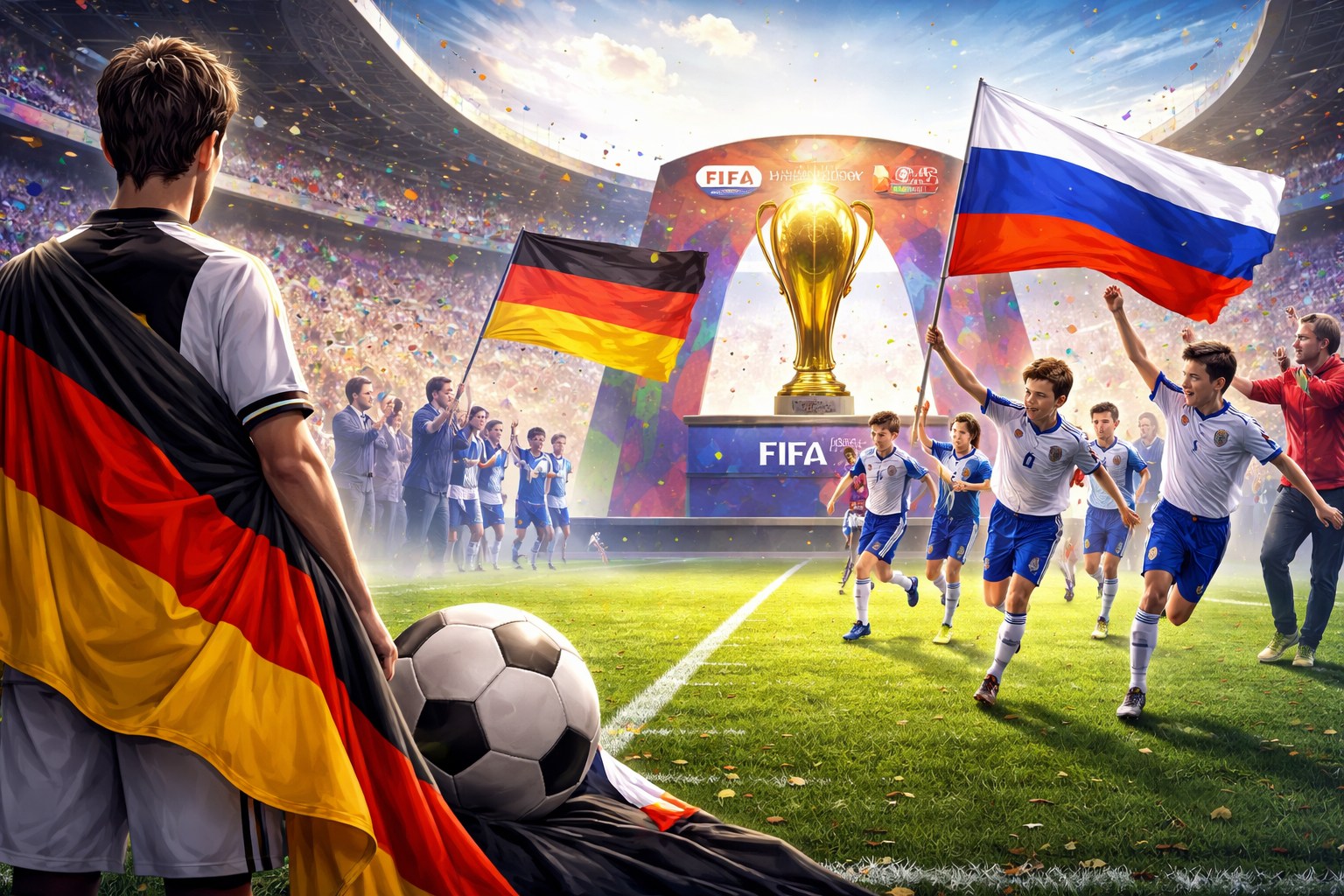
The German Football Association (DFB) has announced it will not participate in the FIFA Under-15 World Cup currently taking place in Azerbaijan. The tournament, featuring nearly 1,000 matches and 189 teams, represents FIFA’s largest-ever international youth event, marking a significant shift in the organization’s approach to children’s competitions.
Germany’s decision to sit out was shared with DW, emphasizing a cautious, age-appropriate development philosophy for young players. Meanwhile, Russia, banned from many international competitions since its 2022 invasion of Ukraine, has returned to the tournament, stirring controversy among national associations.
Germany’s Youth Development Approach and Reasons for Withdrawal
The DFB explained its choice by highlighting that at under-15 level, the identification and development of talent is still fluid, and the process does not align with nominating fixed squads for international tournaments. Reflecting on their broader philosophy, the association prioritizes long-term, age-appropriate support, deliberately avoiding early exposure of young talents to the pressures and commercial aspects typical of professional football.
This cautious outlook is consistent with Germany’s regulations that restrict professional play under the age of 16. A notable exception was Youssoufa Moukoko, who debuted in the Bundesliga shortly after turning 16 but has since faced challenges securing regular playing time, illustrating some of the risks associated with fast-tracking young players.
Broader Context: Youth Football Commercialization and Regulatory Measures
Germany is not alone in expressing reservations about early youth commercialization. The Bundesliga club St. Pauli, for example, stopped collaborating with player agents in its youth system to maintain integrity and focus on player welfare. FIFA also imposes restrictions, such as barring players under 16 from having agents, though enforcement varies globally.
Russia’s Return and Geopolitical Tensions Affecting the Tournament
Of the 189 invited teams, 22 declined to participate, including 18 UEFA members and the United States. Ukraine initially refused on sports grounds and raised concerns about facing Russia amid ongoing conflict. FIFA president Gianni Infantino has advocated for reintegrating Russian youth teams to combat frustration and division, leading to Russia’s involvement in this tournament despite its broader international ban.
The Under-15 World Cup’s format features eight-a-side matches with shorter halves and smaller pitches to tailor the experience to young players. FIFA’s Chief of Global Football Development, Arsene Wenger, emphasized the tournament’s role in providing global opportunities for young talents from diverse backgrounds to compete and develop.
Group Allocation and Tournament Structure
FIFA has designed the group stages to promote diverse sporting and regional representation while initially avoiding matchups between countries in conflict, such as Israel and Palestine or Kosovo and Serbia. The competition structure includes multiple tiers beyond the round-robin stage, which allows for varying levels of competition and concludes with six tier winners.
The presence of Russia and the wider debate over youth participation policies illustrate the complex intersection of sports development, politics, and international relations in modern football.