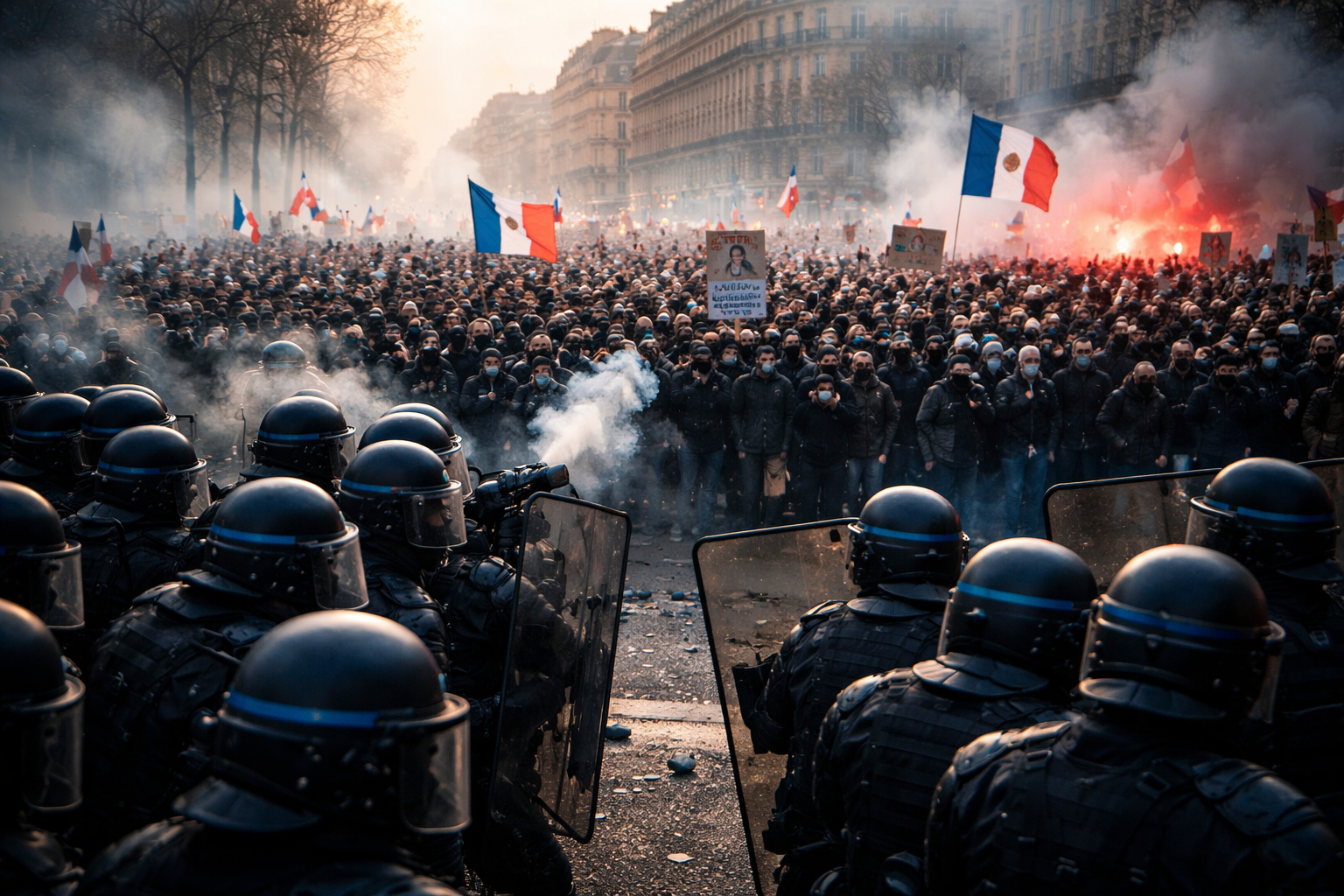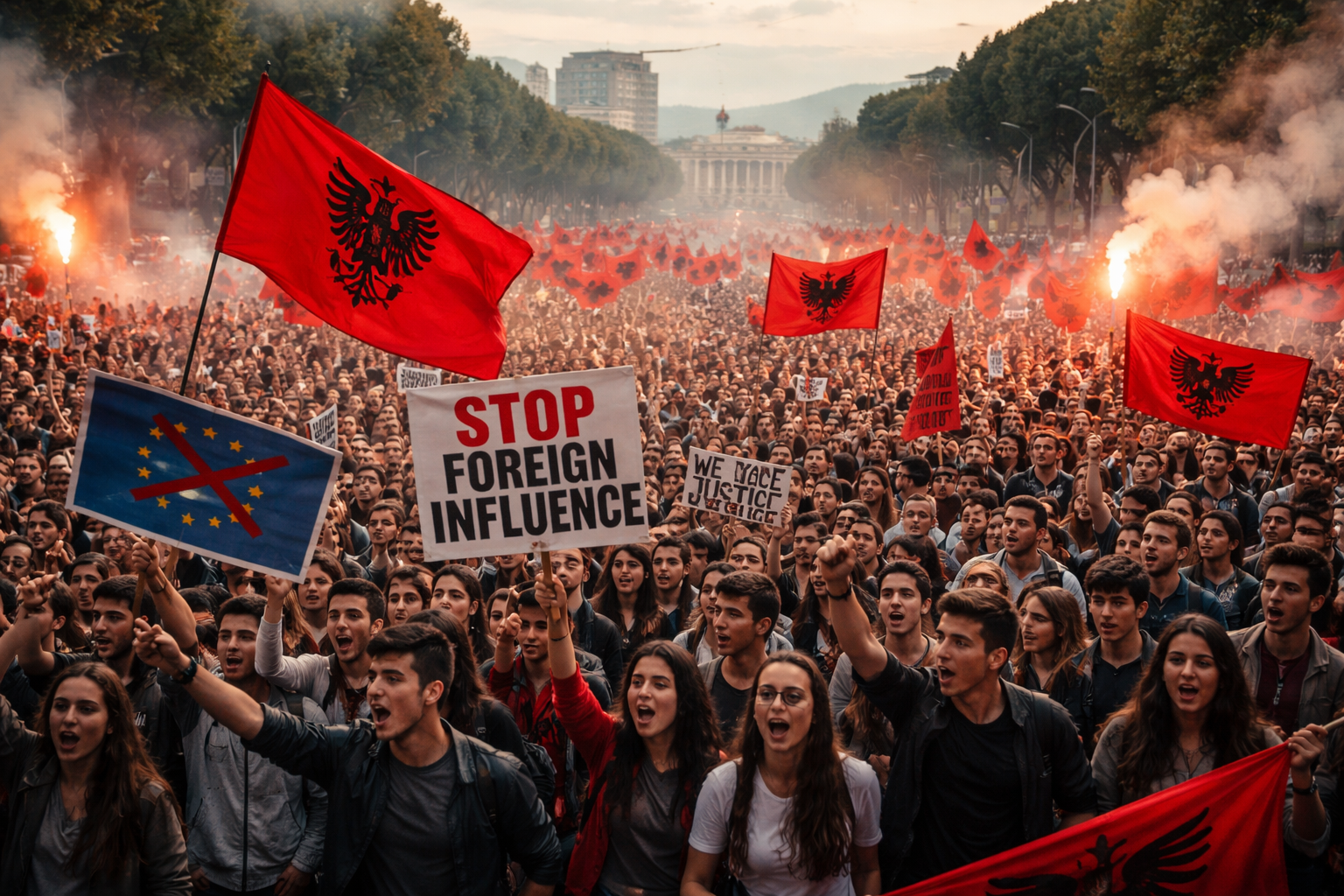
Student protests in Albania have escalated after nearly five months of unrest focused on corruption, mismanagement in universities, and rising education costs. The ongoing demonstrations involve frequent clashes between students and police, highlighting deep dissatisfaction among the youth toward the current administration.
The protests began in October 2026 following public revelations about plans to build a luxury hotel inside a protected nature reserve, and have since grown more intense. Prime Minister Edi Rama has responded by attributing the unrest to foreign and ideological influences, including claims that the decentralized antifascist movement known as “antifa” is driving the protests. These allegations have been met with skepticism and lack substantiated evidence.
Nature and Organization of the Protests
Protesters object to government corruption, deteriorating quality of education, and limited prospects after graduation. Demonstrators mostly consist of college and high school students who communicate primarily through social media and encrypted messaging apps, employing platforms such as Instagram, WhatsApp, Telegram, TikTok, and Signal to coordinate activities without centralized leadership.
Experts in cybersecurity note that this horizontal organizational structure complicates government efforts to control and understand the protests. Telegram, in particular, allows organizers to disseminate information quickly and securely to thousands at once, enabling rapid mobilization and widespread participation.
Government Response and Claims of Foreign Influence
The Prime Minister has characterized the youth uprising as a “hybrid war,” criticizing protesters’ methods and language. He has repeatedly accused foreign governments such as Greece, Russia, and Iran, as well as global antifa movements, of fomenting dissent within Albania. These accusations propose that protesters have been radicalized and influenced by external forces described by the U.S. President as terrorist organizations.
However, analysts focusing on security and conflict resolution emphasize that no verified evidence supports the existence of an organized antifa structure in Albania or its involvement in orchestrating the protests. They caution that labeling the movement as extremist or foreign-led risks diverting attention from legitimate grievances and may justify harsh government crackdowns.
Protesters and Opposition Perspectives
Participants in the protests reject the characterization as terrorists or extremists. Some protesters acknowledge isolated acts of violence but personally oppose such measures and remain focused on peaceful demonstration. Opposition figures attribute the unrest to broad dissatisfaction with socioeconomic conditions, including poverty, emigration of families, compromised educational institutions, and poor future job prospects.
The primary demand remains the resignation of the Prime Minister rather than calls for radical systemic change. Observers note that government responses have frequently involved police violence and dismissive rhetoric rather than engagement with the protesters’ concerns.
Implications and Possible Strategies
Security researchers suggest the government’s narrative of foreign interference may be a tactic to delegitimize protests, erode public support, and justify forceful responses under the guise of maintaining law and order. This framing could obscure the substantive issues raised by young Albanians regarding governance, corruption, and education reform.
As the protests continue, they underscore evolving political dynamics in Albania and the challenge traditional authorities face in responding to modern, decentralized movements driven by digital communication and youth activism.