

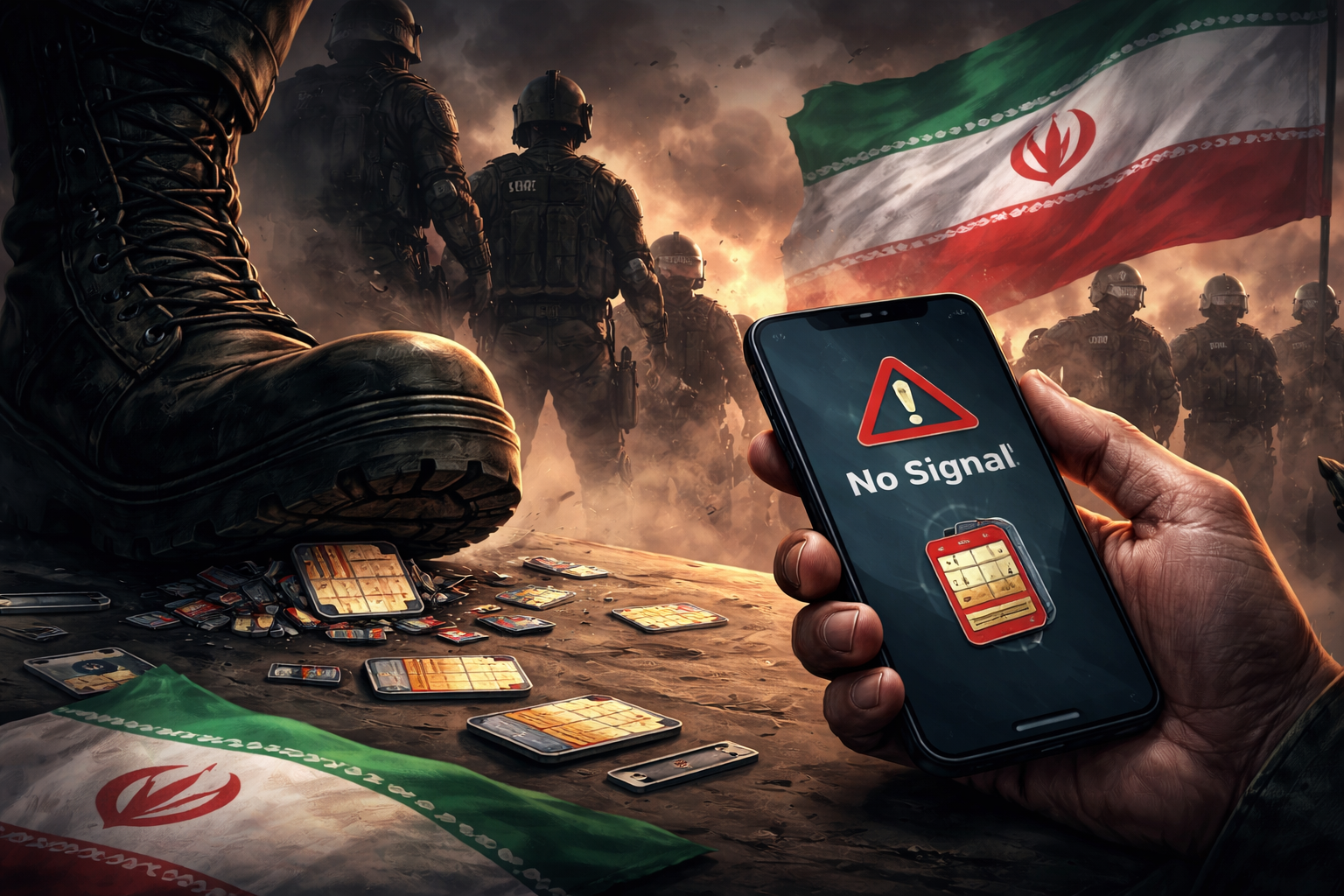
In Iran, cell phone SIM cards serve as vital tools for digital identity verification and access to a wide range of essential services, including banking, judiciary, administrative systems, and insurance. Recent reports reveal that Iranian authorities have been disconnecting SIM cards as a method to silence dissent and restrict citizens’ access to these services.
According to firsthand accounts obtained by DW from individuals within Iran, the disconnection of SIM cards goes beyond blocking calls and texts; it effectively cuts off users from digital platforms required for daily operations. Some Iranians have reported losing access to banking services and government accounts, with access restored only if they deleted critical content or pledged to cease protest activities.
Personal Accounts of Interrogation and Pressure
One individual, using the pseudonym Sina, described being disconnected while attempting to book a taxi. After visiting a telecommunications office, he was contacted by someone claiming to represent the Intelligence Organization of the Islamic Revolutionary Guard Corps (IO-IRGC) and instructed to appear for interrogation. Sina reported a six-hour interrogation, confiscation of his phone, and a requirement to sign a pledge expressing remorse for his activism and to post pro-government content publicly. Despite these conditions, he had not regained his SIM card or mobile phone a month later.
Another individual, Sorour, said she was summoned and interrogated about her social media activities. She was instructed to make her accounts private and stop supporting political prisoners or protest movements. Mina, a 63-year-old in Isfahan, reported being summoned after posting political commentary online. After refusing to comply, her SIM card and national identification card were blocked, disrupting access to banking, administrative tasks, and the judiciary’s electronic system.
Growing Concerns Over Digital Restrictions
Similar complaints from other Iranians, including former political prisoners and medical professionals, have surfaced on social media. Zia Nabavi, a former detainee, described his SIM card being cut off, hindering his access to medical and banking communications. Doctor and activist Reyhaneh Saeedi reported that her blocked SIM card has prevented her from issuing prescriptions and renewing licenses. Actress Shaghayegh Dehghan also confirmed her SIM card had been blocked without clear explanation.
These tactics form part of a broader crackdown spanning decades, according to expert reports. The Defending Free Flow of Information (DeFFI) organization highlighted that SIM card blocking frequently occurs without judicial orders. The measures raise serious concerns about the unchecked powers of security institutions and the lack of accountability, leaving affected citizens with no avenue for appeal or explanation.
Implications for Iranian Citizens and Digital Life
In Iran, SIM cards are central to participating in everyday digital life. They enable access to banking, governmental systems, and essential services through digital identity verification. The blocking of SIM cards as a punitive measure targets not only communication but also legal and economic participation. The disruption effectively isolates individuals from society, using digital tools to enforce compliance and suppress dissent.