
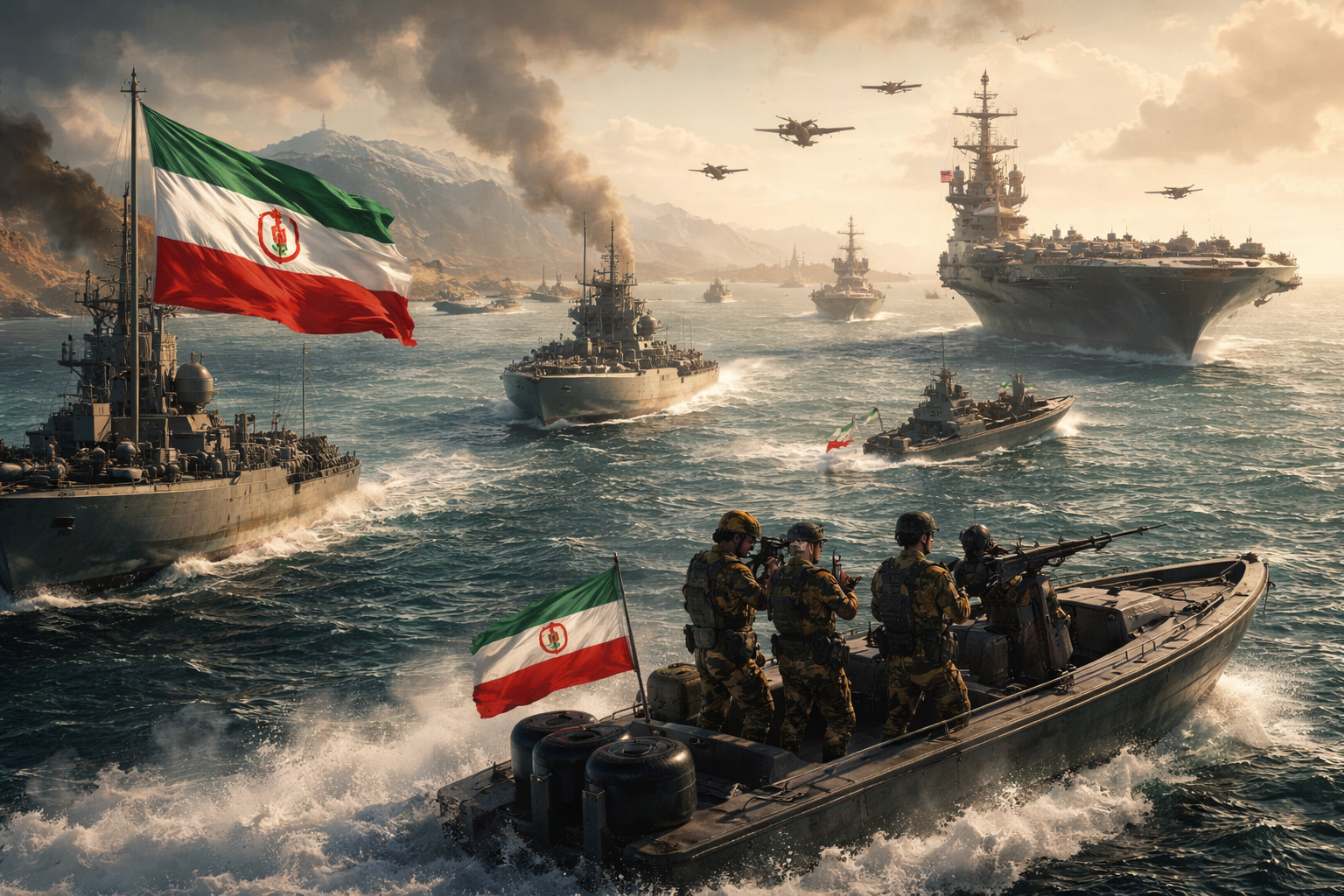
Iran reaffirmed its conditions for reopening the Strait of Hormuz on Sunday, despite a firm public rejection from US President Donald Trump. The proposal, introduced by Iran at the United Nations General Assembly, sought to end hostilities in the Middle East and lift sanctions in exchange for immediate reopening of the vital waterway.
Foreign Minister Abbas Araghchi emphasized that Iran will not withdraw its demands and awaits official responses from mediators. Tehran outlined a seven-day plan aimed at halting fighting across the region, particularly in Lebanon, and called for the release of frozen Iranian assets and an end to the US naval blockade.
Conditions for reopening the strategic route
Araghchi stated that the reopening is contingent on fulfilling key conditions, including cessation of all hostilities and compliance with previously agreed ceasefire terms that collapsed in recent months. The plan was transmitted to Washington through Qatari intermediaries, but Iran has yet to receive a definitive reply from the United States.
Trump rejects the proposal without direct communication
Speaking at the White House, Trump dismissed Iran’s offer, saying he “rejected their deal” and suggesting Iran’s motivation was due to its losses. Tehran criticized the absence of formal communication from US mediators, underscoring that any decision will depend on official positions conveyed through diplomatic channels.
Standoff continues amid US blockade and shipping warnings
Iranian ports remain under US blockade as Washington pressures Tehran over the Strait, which remains largely closed to international shipping despite US claims of control. Iran’s Persian Gulf Strait Authority warned vessels against using what it considers “illegal routes,” threatening financial and navigational penalties for companies violating regulations.
The Strait of Hormuz previously handled about 20% of global oil demand and is essential for transporting liquefied natural gas and fertilizer. The ongoing tensions and closure continue to roil global energy markets, with the situation unresolved as diplomatic efforts proceed cautiously.