

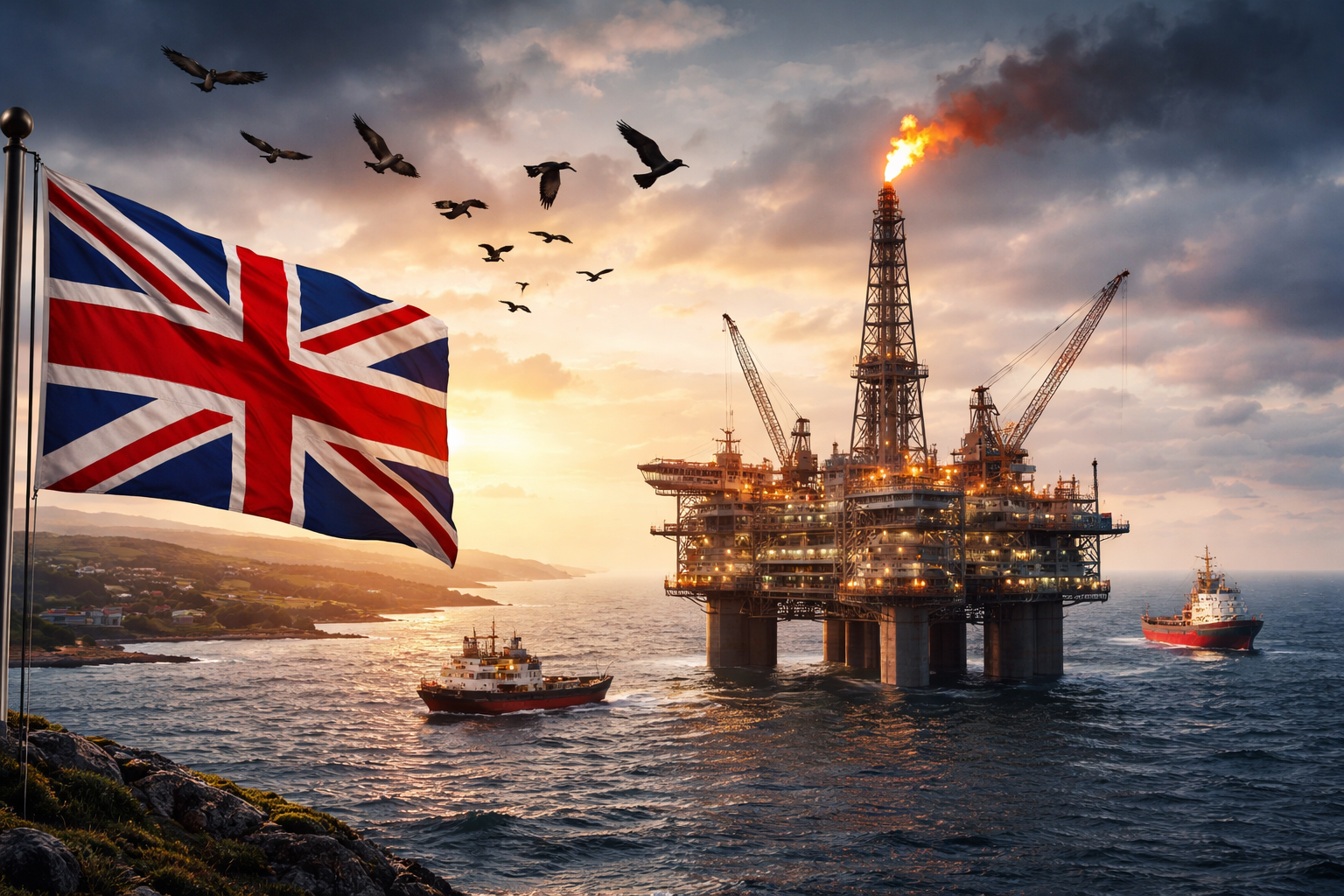
The UK government is poised to approve the Jackdaw gas field off the coast of Aberdeen as soon as mid-September, sources familiar with the matter told the BBC. This decision comes following a 2022 approval by the previous Conservative government that was later delayed due to a Scottish court ruling requiring more thorough climate impact assessments.
The project, operated by Adura—a joint venture between energy companies Shell and Equinor—and with related ownership in the Rosebank oil field, has faced opposition from environmental groups. Critics argue the development would contribute significantly to carbon emissions and hinder the UK’s climate goals. Adura estimates that Jackdaw could emit between 23.6 million and 35.8 million tonnes of carbon over its 11-year life span, representing roughly 60% to 90% of Scotland’s emissions for 2023.
Background and Legal Challenges
Environmental groups successfully challenged the original approval of Jackdaw and the Rosebank field at the Court of Session in Edinburgh. The judge ruled that the government failed to adequately account for the climate impact of extracting and burning oil and gas from these sites. This ruling led to revised climate assessments being published for public consultation in July.
Despite legal hurdles, Adura states that if the government’s decision comes in September, the Jackdaw field, nearly 99% constructed, could begin delivering gas to UK homes by winter.
Industry Support and Energy Security Concerns
Industry advocates emphasize the need for domestic gas production amid high international prices and supply uncertainties caused by conflicts such as the war in Iran. With over 60% of UK gas currently imported mainly from Norway and the United States, proponents say Jackdaw would bolster energy security and protect jobs in the North Sea energy sector.
Centrica’s CEO, Chris O’Shea, noted that additional domestic production would decrease dependency on imported fossil fuels, potentially improving supply stability even if it wouldn’t significantly reduce consumer prices.
Environmental Opposition and Climate Implications
Environmentalists assert that new drilling contradicts global efforts to limit climate warming, pointing to recent extreme weather events worldwide. Tessa Khan, executive director of Uplift, which led a legal challenge, stated that increased North Sea drilling would neither reduce energy bills nor meaningfully enhance the UK’s energy supply.
Government officials have declined to comment on speculation but emphasized that any decision will consider environmental assessments and public submissions from the consultation process.
Next Steps
The final approval decision rests with the Secretary of State for Energy Security and Net Zero. Energy Minister Kate White acknowledged in Parliament that decisions on Jackdaw and Rosebank would be made separately. The government is under pressure to balance energy demands with environmental responsibilities as the UK approaches winter amid volatile global gas markets.