Europe braces for winter with gas reserves at their lowest in over a decade, risking price hikes and market turmoil amid ongoing global supply disruptions
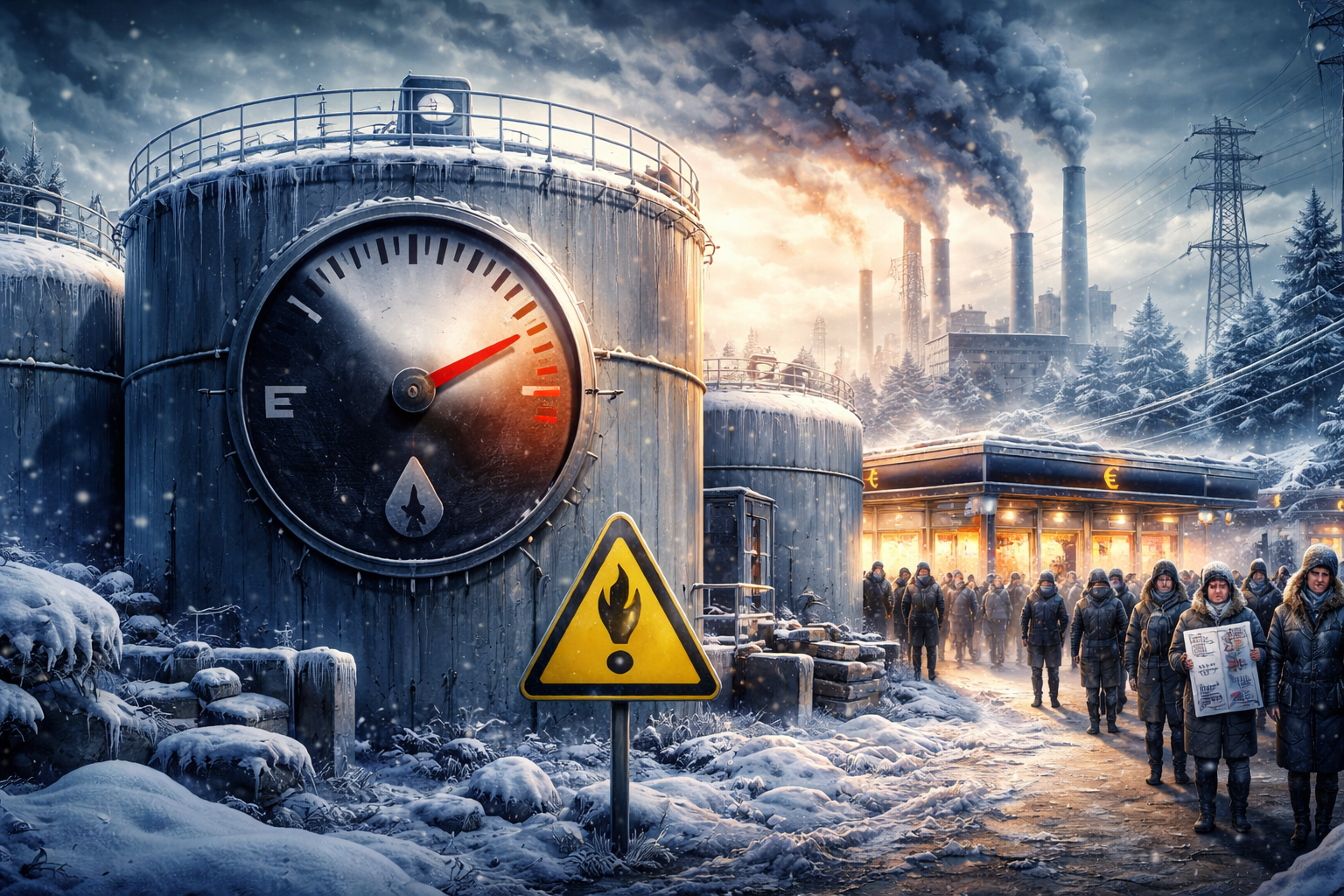
Europe is preparing to enter the cold season with its gas storage at dangerously low levels, sparking what experts call a “winter panic” among energy traders. Gas reserves across the EU stood at only 63% full by late August, far below the typical average of 80% for this period, marking the lowest point in 13 years.
This significant deficit signals a challenging winter ahead, especially as Europe struggles to replenish supplies disrupted by geopolitical upheavals and high demand during recent heatwaves. The combination of supply uncertainty and slim reserves is increasing concerns about winter price volatility and potential supply shortages in some regions.
According to analysts, the situation is particularly precarious for countries like the UK, which rely heavily on imports and possess limited domestic gas storage capacity. These factors could translate into higher energy costs and greater competition for liquefied natural gas (LNG) shipments from global markets this winter, as temperatures begin to drop. The following sections detail the current storage status, contributing factors, regional vulnerabilities, and forecasts for the coming months, based on analysis by experts cited herein.
EU Gas Storage Status and Market Implications
As reported by energy analysts, the EU’s gas storage levels in late August were around 63%, compared to the typical five-year average of 80%. Greg Molnar, a gas analyst and professor, noted that with the current slow pace of injections into storage, the bloc is set to start the heating season about 20% below the average. This understocking raises the risk of heightened winter price volatility, which may worsen if cold weather or low wind conditions increase gas demand.
Typically, European gas storage facilities are filled during the summer when demand and prices are lower, but recent factors have disrupted this cycle. The ongoing US-Israel war over Iran has caused severe export disruptions from the Gulf, limiting gas supply. Additionally, colder end to last winter and increased gas power usage during the recent heatwaves depleted stocks further.
Regional Vulnerabilities and UK Exposure
The UK is notably vulnerable due to its status as one of Europe’s largest gas consumers paired with very limited storage capacity. Chris O’Shea, CEO of Centrica, Britain’s major gas supplier, highlighted that the UK has “almost no gas in storage” for the upcoming winter. The UK depends mainly on pipeline imports from Europe and LNG shipments from the US and the Middle East.
With both UK North Sea production declining and Norwegian output expected to drop after 2030, reliance on imports will deepen. The UK government is reportedly considering financial incentives for gas storage and pipeline infrastructure upgrades to prevent supply shortages over the next decade.
Price Trends and Market Outlook
Despite the low storage levels, Europe’s gas prices remained relatively stable over the summer, driven by hopes that the Strait of Hormuz might reopen, restoring Middle Eastern gas exports. Unfortunately, experts like Bjarne Schieldrop from Nordic banking group SEB do not expect this to happen soon.
Benchmark gas prices have surged to over €68 per megawatt-hour (MWh), more than double January prices, driven by fears of winter shortages and competition from Asian LNG buyers. Goldman Sachs analysts warn that without a return of Middle Eastern exports, prices in Europe might need to exceed €100/MWh to secure sufficient gas shipments this winter.
Differences Across Europe and Long-Term Challenges
Western Europe faces sharper supply challenges, with countries like Germany having storage levels around 50%, while Italy and Poland have fared better with over 80% full reservoirs. Belgium and the Netherlands hold 51% and 45% respectively, both key links to the UK market.
The European energy landscape must navigate these immediate risks alongside long-term pressures to maintain infrastructure and transition to cleaner energy. The UK’s energy regulator, Ofgem, has already announced typical household gas and electricity bills will rise 4% from October due to global market shifts caused by geopolitical tensions, adding to consumer concerns.
In summary, Europe is confronting a critical moment in gas supply management. The low storage levels and geopolitical uncertainties create a perfect storm for volatility in the coming winter, underscoring the urgency to strengthen supply chains and diversify energy sources to ensure stable, affordable energy for all.