
A bungled bomb parcel in Poland uncovers espionage allegations against a Russian exile, revealing a murky saga of loyalty, sabotage, and intelligence warfare in Eastern Europe
In July 2024, Polish authorities intercepted a suspicious bomb-making parcel addressed to Igor Rogov, a young Russian political activist living under asylum in Poland. The discovery triggered a complex investigation into possible Russian sabotage efforts aimed at destabilizing support for Ukraine, amid a wave of incendiary attacks in the region. However, the ensuing case revealed not only a tangled espionage network but also deep personal betrayals and uncertain loyalties.
Rogov, once celebrated as an opposition figure against the Kremlin, was later accused of collaborating with Russia’s FSB intelligence service, raising questions about his true role and identity. The case, which unfolded behind closed court doors, has fueled widespread speculation about infiltration within the Russian exiled opposition community. Meanwhile, the true origin and destination of the explosive materials remain mired in suspicion, with clues suggesting Ukrainian involvement in the sabotage campaign.
This investigation draws from thousands of court documents reviewed alongside interviews in Poland, Russia, and Ukraine, providing rare insight into how espionage, personal drama, and geopolitical conflict intertwine in the shadow war across Eastern Europe. The story illustrates the blurred lines between victim and agent, resistance and collaboration.
Source: The Guardian’s detailed report on the Rogov case and related intelligence findings.
The Suspicious Package and Initial Arrest
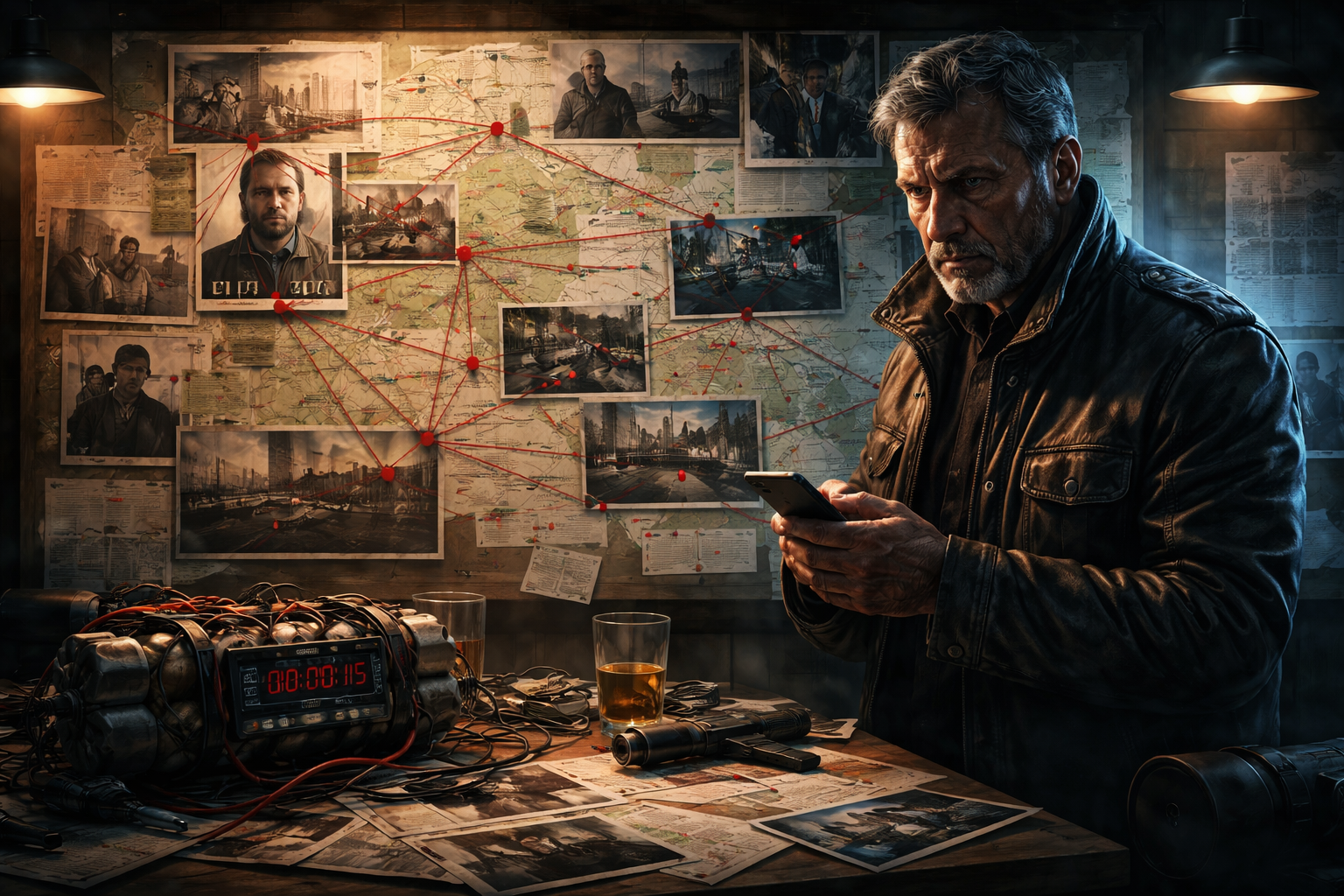
Polish police were alerted when a parcel containing seemingly innocent objects like a chrome vacuum flask, marker pens, a power bank, and antifreeze was flagged at a courier facility. Closer inspection revealed hidden Soviet-era detonators and nitroglycerine, components capable of assembling a bomb. The package was destined for Igor Rogov, a 27-year-old Russian political asylum seeker living in Sosnowiec, Poland.
Rogov had openly opposed the Kremlin, having campaigned for Alexei Navalny and other anti-Putin groups before fleeing Russia in 2022 following a crackdown on dissent. He lived with his wife Irina in a university dormitory and was arrested at their residence. Photos on his phone showed suspicious markings around local infrastructure, reinforcing fears that he was involved in sabotage planning.
Disputed Loyalties and Espionage Allegations
More than a year after the arrest, Polish prosecutors unveiled accusations that Rogov had secretly collaborated with the Russian FSB for years, suggesting his anti-Kremlin activism served as a cover. This explosive claim came from his wife, Irina, who revealed tensions in their marriage linked to his covert activities. Rogov confessed to recruitment by an FSB officer known as Yevgeny during his student years, initially cooperating under pressure and blackmail to relay information on opposition figures.
The couple’s personal discord escalated when Irina discovered Rogov’s betrayal, and she was later arrested for assisting him by carrying sensitive materials into Russia. Despite years of political activism and personal risks, Rogov’s motivations appear ambivalent—caught between fear, coercion, and perhaps faint loyalty to the opposition.
The Enigmatic Chain of Custody: Diesel and the Bomb’s Source
The investigation also spotlighted “Diesel,” a Ukrainian car salesman from Odesa, alleged to be a key courier of the bomb materials. Rather than a clear Russian sabotage plot, evidence suggests the explosives may have originated from Ukrainian military intelligence, aiming at targets within Russian territory, possibly Kaliningrad.
Diesel, whose real name is Yuriy Kovalenko, denied links to Russian or Ukrainian intelligence but admitted to delivering the package unknowingly. Moreover, intermediaries like Emil, a suspect FSB informer, add to the complexity and murky loyalties. Polish authorities requested his extradition, but Ukraine’s decision not to arrest Kovalenko hints at a covert Ukrainian sabotage operation transiting through Poland.
Impact on the Russian Exiled Opposition and Broader Implications
Friends and colleagues describe Rogov as likable yet hapless, struggling to reconcile the image of a naive activist with that of a secret FSB informant. The case has intensified fears of Kremlin infiltration among Russian opposition groups abroad, eroding trust and weakening unity amid ongoing conflicts.
Rogov’s story embodies the challenges opposition activists face when navigating survival, ideological commitment, and covert pressures from powerful intelligence agencies. While he was sentenced to seven years for espionage and sabotage, his lawyers advocate for transparency, hoping an open trial might nuance public perception of his actions.
For now, the tangled story of Igor Rogov reminds us of the convoluted espionage battles operating beneath the surface of the geopolitical struggle between Russia, Ukraine, and their neighbors, where nothing is purely black or white, and every actor’s true allegiance remains in question.