
Russia blocks all anti-war candidates from September elections as missile strikes and drone attacks intensify in Ukraine conflict
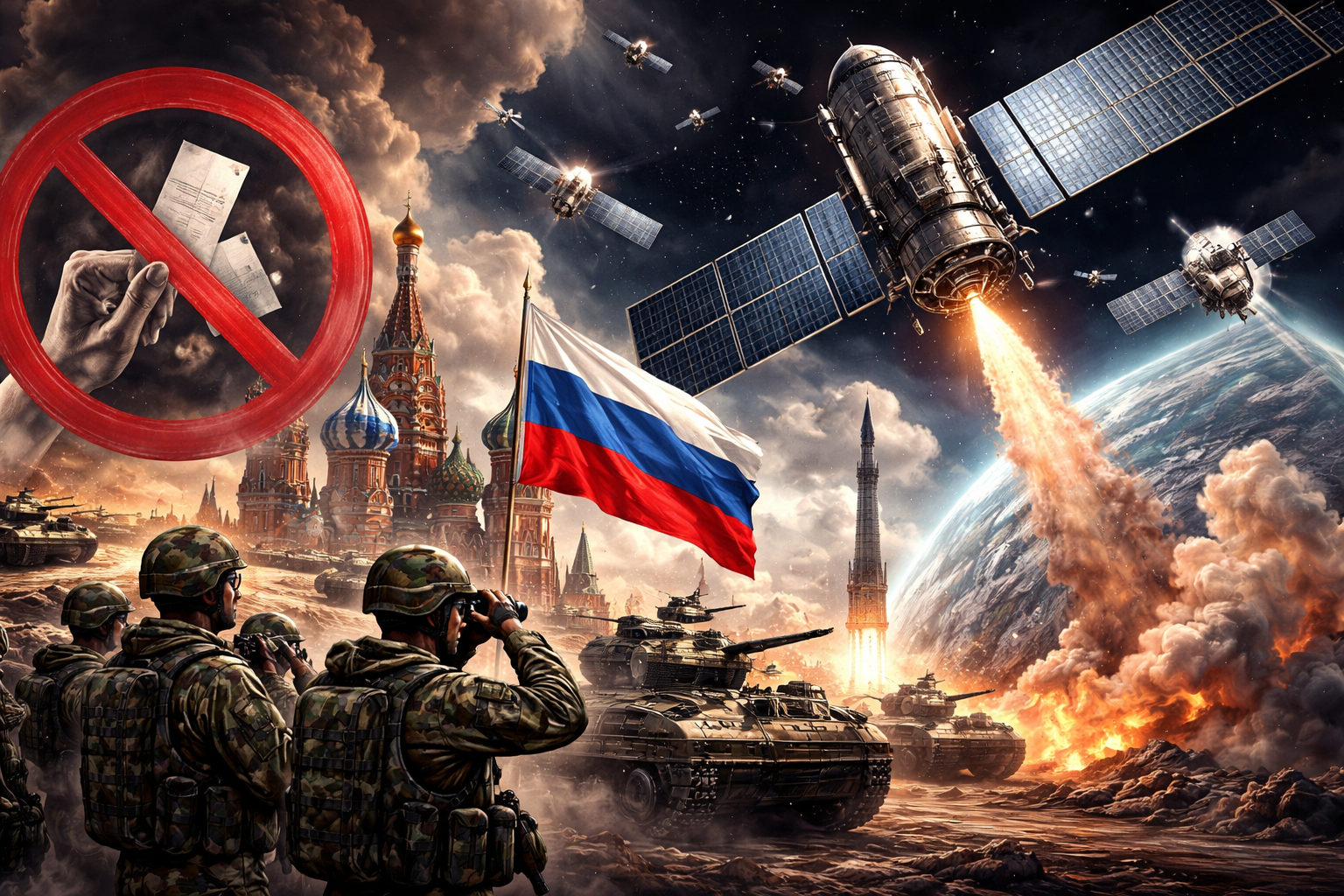
In a major blow to political opposition, Russia’s Supreme Court has upheld a suit banning the entire candidate list of Yabloko, the country’s last remaining anti-war party, from standing in the State Duma elections this September. This move effectively removes any electoral choice for Russian voters opposed to the war in Ukraine, consolidating Vladimir Putin’s grip on power.
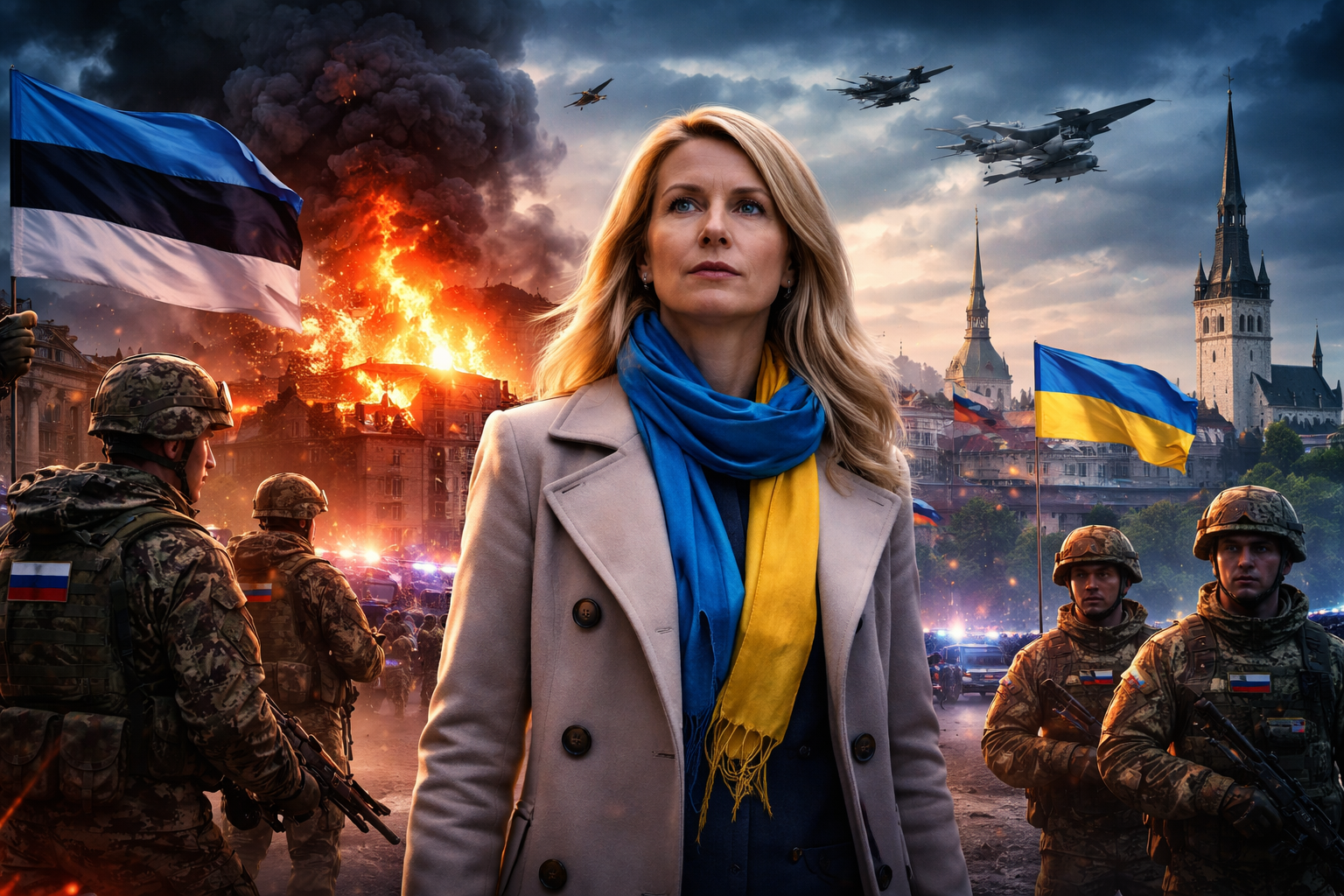
Amid this political crackdown, Ukraine continues to face intense Russian missile and drone attacks, with key cities like Zaporizhzhia and Kyiv suffering casualties and infrastructure damage. At the same time, Russia is rapidly advancing its satellite communications system, posing new challenges to Ukraine’s tactical advantages.
These developments highlight the ongoing escalation in the Russia-Ukraine conflict, from domestic political repression in Russia to intensified military confrontations and technology races on the battlefield, according to multiple reports from regional governors and intelligence officials.
(Sources: Agence France-Presse, Reuters, Ukrainian and Russian regional officials)
Political Suppression: Yabloko Barred From Elections, Silencing Anti-War Voices
Russia’s Supreme Court ruled in favor of Roblina, a small pro-Kremlin nationalist party, banning Yabloko’s federal election candidates from the upcoming parliamentary elections. This decision leaves Putin’s de facto ruling party, United Russia, unchallenged, as most opposition figures are jailed, exiled, or otherwise silenced.
Yabloko leader Nikolay Rybakov vowed to appeal the decision, emphasizing the party’s commitment despite facing prosecutions. He revealed that around 40 activists are currently under legal threat for their anti-war stance. Rybakov himself was barred from candidacy for sharing a photo of opposition figure Alexei Navalny, while his deputy was sentenced to seven years over social media posts opposing the war.
Young protestors gathered outside the courthouse chanting “Shame! Shame!” demonstrating the frustration of those opposed to the war and political repression.
War Escalation: Missile Strikes, Casualties, and Critical Infrastructure Attacks
Russian missile strikes killed five people and injured approximately 20 in the southeastern Ukrainian city of Zaporizhzhia early Tuesday, with warehouses also ablaze in Kyiv’s central district. One person was injured during the capital attacks.
Meanwhile, a Ukrainian MiG-29 fighter jet caught fire and crashed during a combat mission near Odesa after a missile misfired. The pilot ejected safely and was hospitalized.
Ukraine’s armed forces also launched attacks on equipment depots and repair units in the occupied Donetsk and Luhansk regions, while Zaporizhzhia faced a significant power outage following Ukrainian strikes on Russian-controlled power facilities.
Russia’s Rapid Satellite Deployment and Missile Production Amid Conflict
According to Major General Vadym Skibitskyi, head of Ukrainian intelligence, Russia is accelerating its rollout of the Rassvet satellite system, a domestic alternative to the banned US-based Starlink network. Sixteen satellites are already in orbit, with plans for 292 satellites by 2027 and 924 by 2035, aiming to establish battlefield communication capabilities on par with Starlink.
Skibitskyi warned that discussions are ongoing in Ukraine on how to counter this growing satellite constellation, as Russia swiftly adapts and copies military innovations introduced by Ukraine.
On missile production, Russia reportedly met its 2026 annual targets for supersonic Zircon and Oniks missiles within the first seven months and is surpassing goals by up to 20%. The stockpile of Iskander-M ballistic missiles, heavily used in supersonic strikes, is estimated at around 130, with 65 produced in July alone.
Notably, unverified reports suggested Russian ballistic missile launchers were destroyed inside Russian territory near the border.
Strategic Attacks and Export Challenges
Ukraine struck the Taneco oil refinery in the Russian city of Nizhnekamsk with a drone attack, igniting fires and killing at least 13 people. Taneco is one of Russia’s largest and most advanced refineries, critical for fuel and petrochemical production. Ukraine’s General Staff stated the strike aimed to diminish Russia’s military potential.
In addition to attacks within Russia, Ukraine is exploring alternative grain export routes amid ongoing Russian assaults on Black Sea ports. Talks with Moldova propose using rail transport to the Romanian port of Constanța, potentially providing a corridor for about 10% of Ukraine’s exports. Moldova seeks freight discounts and volume guarantees to facilitate this arrangement.
These ongoing military, political, and logistical shifts illustrate the deepening complexity and intensity of the conflict, with Russia enforcing strict control domestically while pursuing rapid military advances.