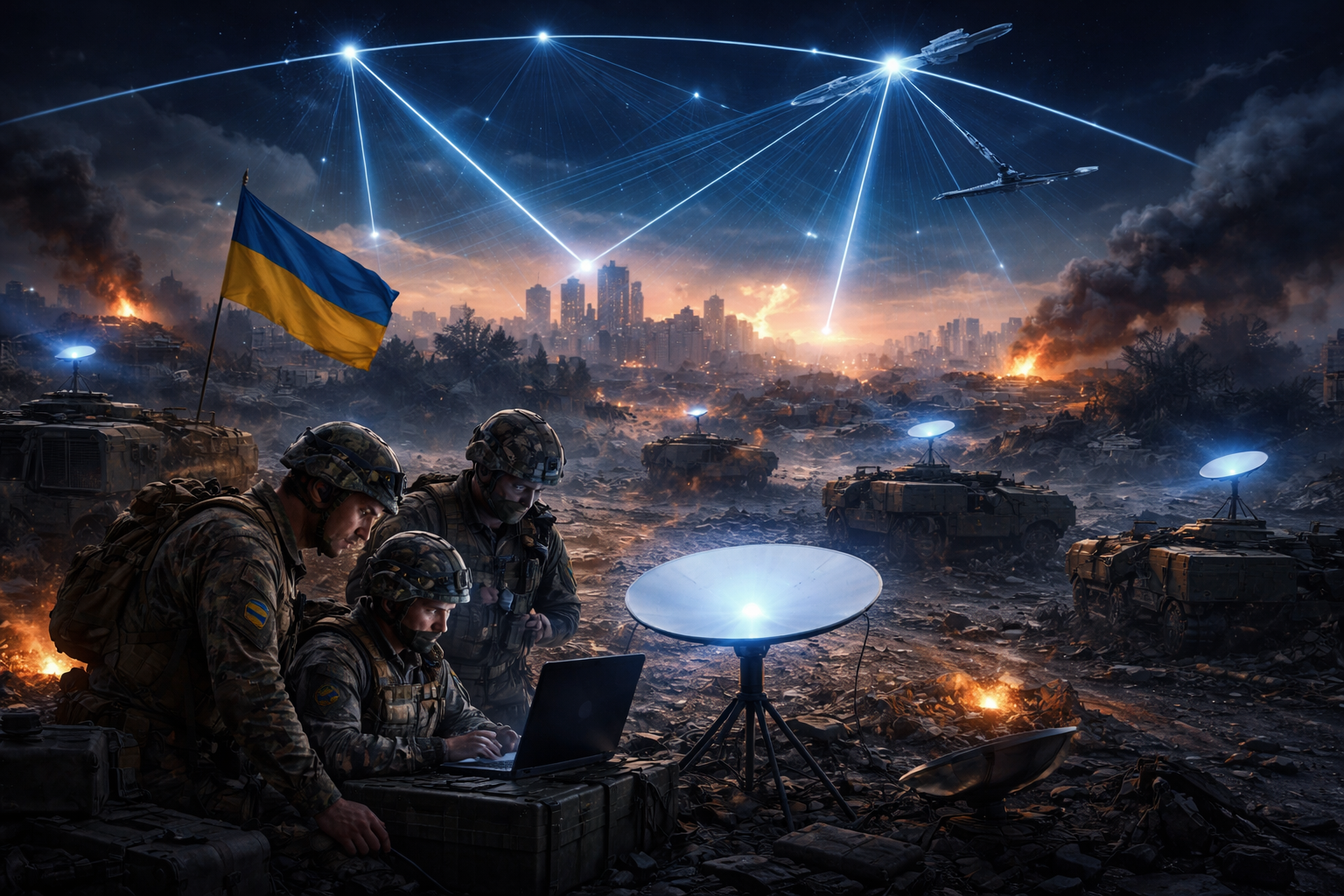
Ukrainian officials reported that they received no early warning from the United States before Russian missile attacks targeted power plants in Kyiv late Sunday night, raising concerns about intelligence sharing amid strained relations between Kyiv and Washington. Ukrainian Air Force spokesperson Yuri Ihnat confirmed that the capital was not alerted prior to the barrage around 11 p.m., although a later strike at 3 a.m. did come with a warning.
President Volodymyr Zelenskyy criticized U.S. partners on social media, highlighting the lack of missile warning and pointing to delays in missile supply and sanctions relief for Russia as evidence of a “denial of reality.” He emphasized that repeated multi-wave missile strikes occurred without warning, complicating Ukraine’s air defense efforts.
Details on Intelligence Sharing and Missile Defense Support
Historically, Ukraine received advance notice from U.S. intelligence before Russian ballistic missile launches, allowing authorities to alert civilians and prepare defenses. However, in recent days, no warnings were reportedly given on multiple occasions. Officials have attributed some failures to factors such as poor weather and potential software issues, with U.S. Secretary of State Marco Rubio acknowledging possible technical difficulties impacting early warning systems.
Compounding tensions, President Donald Trump recently suspended a broad sanctions package on Russia, citing national interests and ongoing peace negotiations. This move, along with reduced deliveries of PAC-3 air defense missiles and delays linked to the PURL weapon procurement scheme, has fueled Ukraine’s frustration over perceived limited U.S. support.
Context of Dispute Between Kyiv and Washington
The missile warning lapse comes amid a public row between Zelenskyy and Trump, with Trump asserting on social media that the Ukrainian leadership is not committed to ending the war. Ukraine, meanwhile, has accused the Trump administration of withholding critical military assistance and threatening to slow essential weapons deliveries as pressure tactics linked to Ukrainian operations against Russian targets.
While U.S. officials have suggested explanations ranging from technical glitches to environmental factors interfering with missile detection, they have maintained plausible deniability regarding any intentional reduction in support. The situation underscores mounting complexities in the U.S.-Ukraine relationship amid ongoing conflict and diplomatic negotiations.