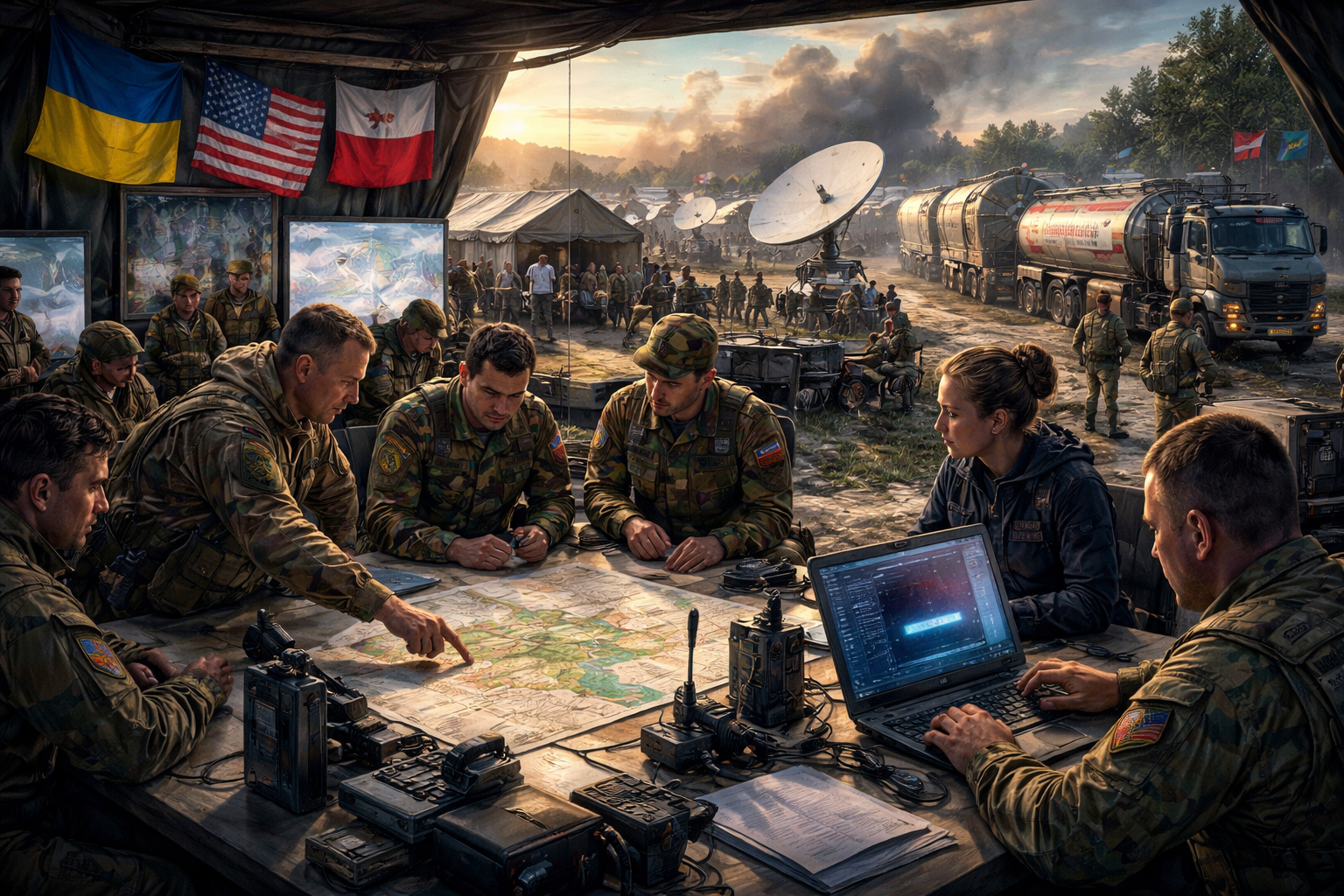
Foreign ministers from Germany, Norway, Poland, and the United Kingdom convened at the Warsaw Security Forum to address security challenges impacting Ukraine and its European allies. The meeting occurred as investigations unfolded into a recent fire at a Starlink satellite internet station in Poland, widely used by Ukrainian forces, and amid controversy over the United States lifting sanctions on Russian diesel fuel.
The ministers expressed concern about Russia’s continuing hybrid attacks across Europe while condemning the U.S. decision to ease sanctions on Russian diesel, seen as undermining broader efforts to pressure Moscow amid the ongoing war in Ukraine.
Starlink Fire Investigation Highlights Security Threats
German Foreign Minister Johann Wadephul disclosed that two Turkish nationals had been arrested in Germany on suspicion of involvement in the Starlink station fire in Poland, an incident believed to be orchestrated by Russian interests. The satellite service is vital for Ukrainian military communications, and the attack underscores Europe’s vulnerability to Russia’s hybrid warfare tactics. Wadephul emphasized that Europe is “in Russia’s crosshairs” and stressed the need for enhanced cooperation among allies to counter these threats.
Further arrests related to the sabotage were reported by Polish media, although German authorities have not confirmed additional detentions. Wadephul expressed confidence in the effectiveness of current security and intelligence cooperation, stating these measures prevent attempts to divide European partners.
Concerns Over U.S. Diesel Sanctions Easing
Wadephul criticized the U.S. decision, announced under President Donald Trump, to lift sanctions on Russian diesel as part of a broader deal amid concerns over fuel prices and upcoming elections. “This is not the time to lower the sanctions regime but to strengthen this,” he said, reaffirming Europe’s commitment to sustained and increased sanctions. The European Union had implemented a new round of sanctions just days earlier.
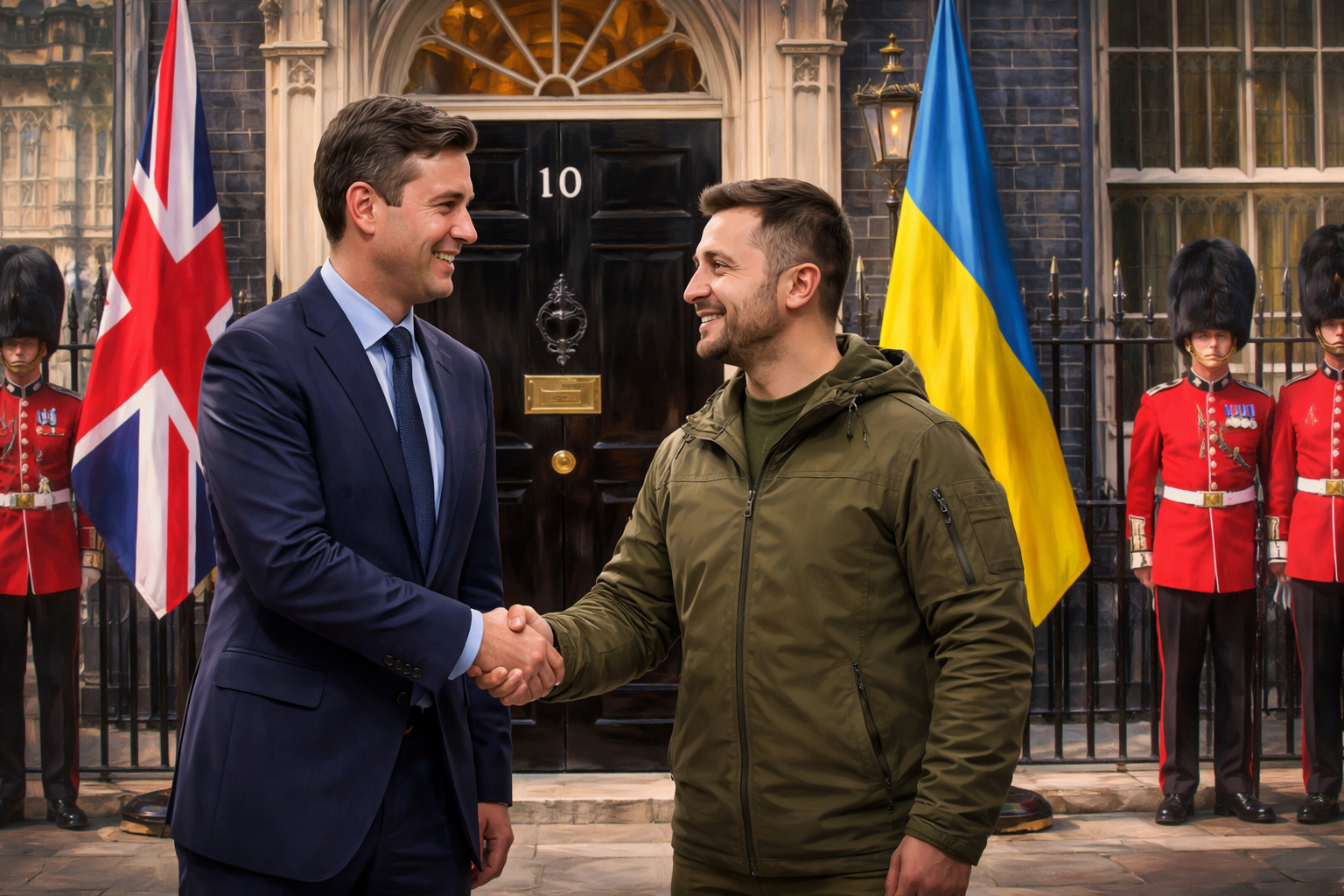
UK Foreign Secretary Ed Miliband acknowledged the complicated diplomatic environment but called for serious engagement with Trump’s proposal of an “energy ceasefire” in Ukraine, which aims to address attacks on Ukrainian energy infrastructure during the winter months. Miliband praised Ukrainian President Volodymyr Zelenskyy for his leadership and expressed hope that an energy ceasefire could be a starting point to expand ceasefire efforts.
Poland Seeks U.S. Commitment While Highlighting Ukraine’s Plight
Polish Foreign Minister Radoslaw Sikorski urged leveraging political ties to President Trump through Poland’s leadership to secure a permanent U.S. military base in Poland. Sikorski also stressed the importance of convincing Trump that President Vladimir Putin is the aggressor and that Ukraine, led by Zelenskyy, is the victim. According to Sikorski, resolving the war requires limiting Russia’s ambitions rather than pressuring Ukraine to capitulate.
Norwegian Foreign Minister Espen Barth Eide underscored the unity displayed by Europe and its allies, highlighting recent sanctions as clear messages directed at Putin. He supported efforts for ceasefires not only in energy but also to facilitate grain exports from the Black Sea, which are critical for preventing hunger in regions like North Africa.
U.S. Responses and Ongoing Developments
President Trump dismissed some criticism at home by affirming that the U.S. continues to share intelligence with Ukraine. He clarified that other nations, not the U.S., would be purchasing Russian diesel under the recently announced deal, attempting to address contradictions in previous statements.
The forum discussions reflected tension within the transatlantic alliance over policy approaches toward Russia, but also showed a shared determination to support Ukraine amid the evolving conflict and security challenges.