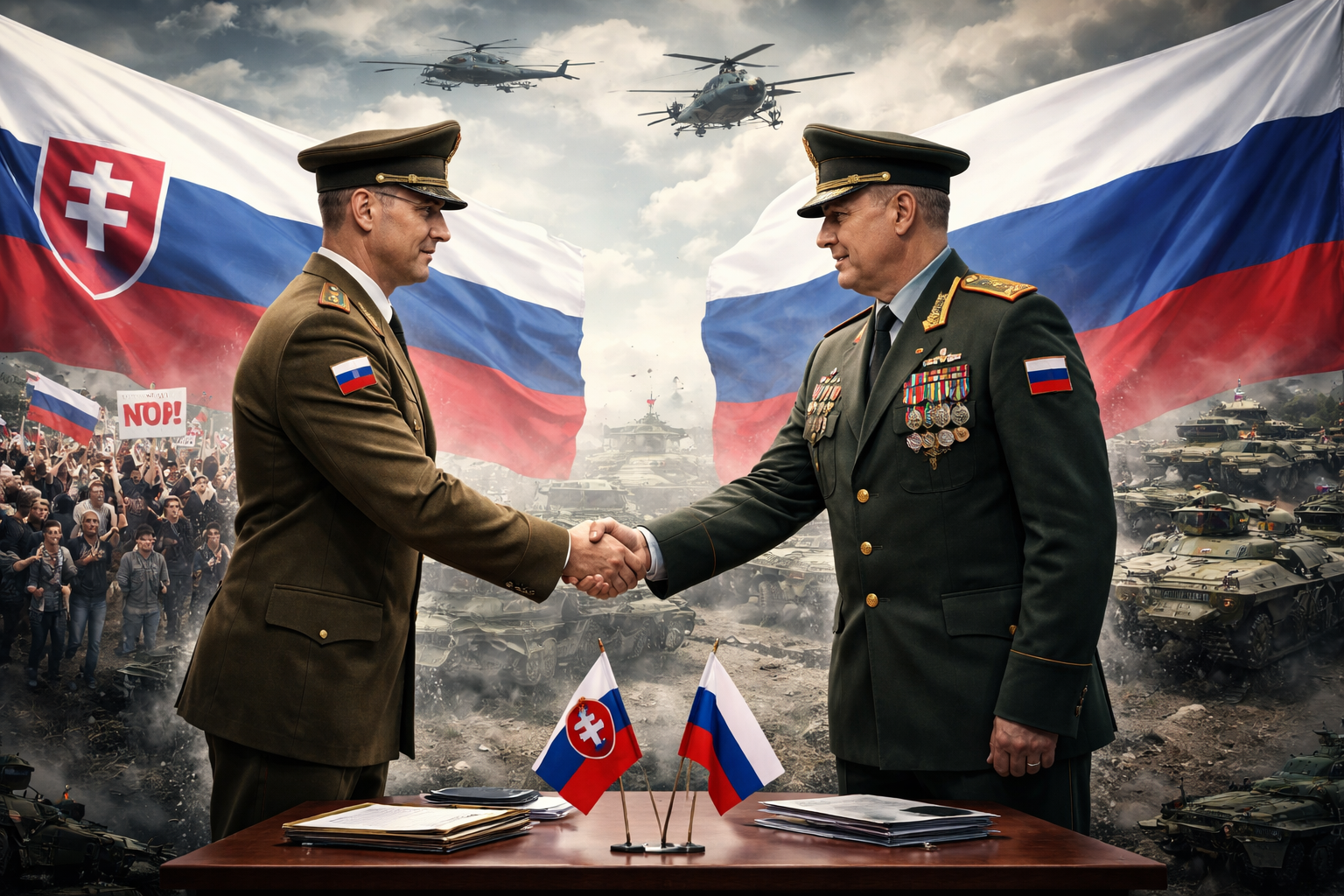
Slovakia has initiated the restoration of military diplomatic ties with Russia by sending two military officers to Moscow and preparing to receive a Russian military attaché in Bratislava. This marks the first time since Russia’s full-scale invasion of Ukraine in February 2022 that such military representation is being reestablished, according to information reported by Slovak sources including the website Aktuality.sk and public broadcaster STVR.
The move follows discussions between Slovakia’s prime minister and the Russian president in May, with the Slovak leader expressing the desire to extend bilateral relations beyond energy concerns. However, opposition politicians and defense experts have raised concerns about potential Russian espionage and disinformation activities linked to the renewed military contacts.
Background and Current Developments
Slovakia dispatched Brigadier General Slavomir Staviarsky and his deputy, Colonel Ivo Gahir, to Moscow earlier this year. Slovak authorities are also preparing to accredit a Russian military attaché, identified by opposition sources as Maxim Verezan, though his arrival date remains undisclosed. The Defense Ministry has not provided detailed explanations about the timing or rationale behind the Russian officer’s expected presence in Bratislava.
The restoration of military attaché positions ended a diplomatic gap that resulted from the suspension of such contacts after Russia’s invasion of Ukraine. Slovak military intelligence states that Staviarsky’s role includes assessing the security and military-political situation in Russia to inform Slovak defense authorities.
Concerns About Security and Espionage
Opposition figures warn that the renewed military exchange could increase Moscow’s intelligence influence in Slovakia. They recall a previous espionage incident involving a former Russian military attaché expelled for recruitment and bribery activities targeting a pro-Russian website contributor.
Critics suggest that while Slovak officers in Moscow may have limited access to valuable intelligence, the presence of a Russian attaché in Bratislava could facilitate espionage, disinformation, and influence operations. Some experts also worry about the political environment in Slovakia, including concerns around government influence over intelligence services and the country’s pro-Russian policies.
Government Justifications and Political Implications
Supporters of the move argue that maintaining military diplomatic presence in Moscow aligns Slovakia with other NATO allies like the U.S., Britain, and France, which have military representatives there. The government emphasizes the importance of gathering intelligence and avoiding informational losses.
Meanwhile, some opposition voices interpret the restoration of these contacts as politically motivated, linking it to upcoming national elections. They suggest the Slovak prime minister may use the arrangement to build a narrative of pursuing peace through dialogue with Russia, despite Slovakia’s formal commitments to NATO and Western partnerships.
The debate illustrates tensions between formal compliance with international obligations and concerns about political trust and reliability within Slovakia’s leadership.