
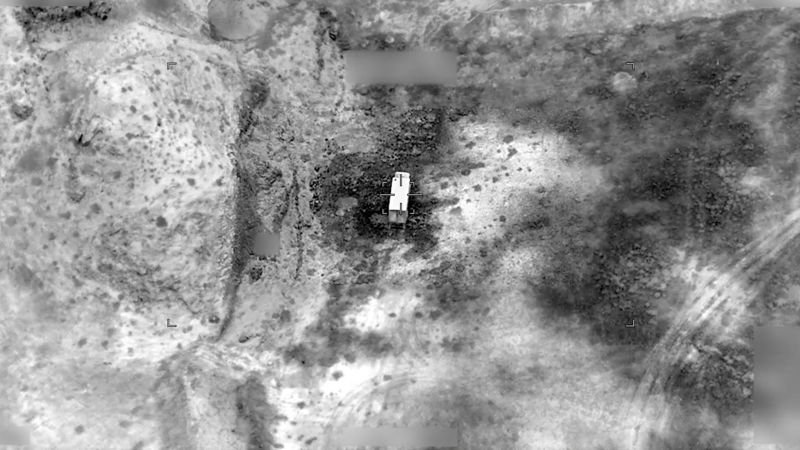
Diplomatic gains have reversed over the past week after the US attacked Iranian cities in response to Tehran’s strikes on shipping in the Strait of Hormuz.
And in a familiar pattern, US President Donald Trump once again threatened to strike Iranian bridges and power plants, prompting the Iranian military to issue counterthreats of expanding its targets across the region and blocking other maritime straits.
In four months of hostilities, Iran and the US have exchanged similar threats and engaged in tit-for-tat military escalation, yet diplomacy has continued. Despite this latest round of strikes being the most intense since the April ceasefire, Iranian officials have yet to follow Trump in declaring the truce “over.”
Since the war began, Iran has been keen to demonstrate its ability to withstand pressure and respond to any escalation by inflicting pain of its own. It has sought to send a clear signal that it too possesses military options, and will use them. This round is no different.
“If America’s hostile actions against Iran continue, the Islamic Republic’s response will be beyond the enemy’s calculations, and new arenas of confrontation will be formed,” the Iranian army spokesperson Mohammad Akraminia reiterated, according to Iranian state-affiliated media.
Amid growing domestic pressure and US threats to withdraw from the agreement, Iran’s top negotiator, Mohammed Bagher Ghalibaf, warned that Iran could also abandon the deal and resume the war. Yet in the same breath he signaled that diplomacy remains equally important — and the deal remains in place.
“We have never sought war and we are not seeking it now,” the negotiator and speaker of parliament said in a statement Wednesday, “but we must always be prepared for confrontation.”