

Discovering Hope and Strength in Childhood Stories Helps Millennials Face Modern Global Crises with Optimism and Action
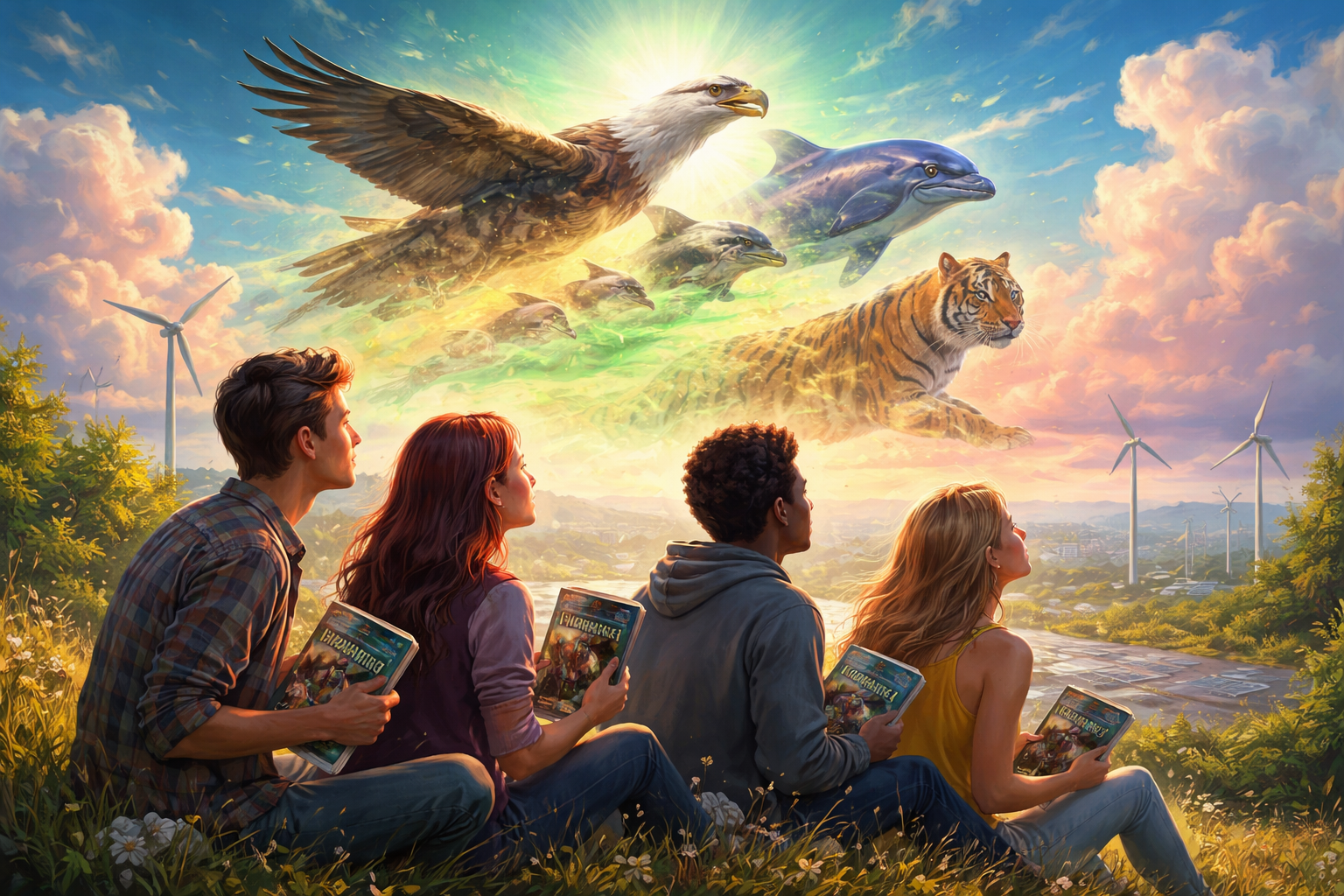
In a world grappling with climate anxiety and political turmoil, looking back at childhood stories like Animorphs offers more than nostalgia—it reveals a blueprint for resilience. This 90s children’s fantasy series about teenagers turning into animals to fight invasive alien parasites continues to resonate among millennials as they confront real existential threats.
The story’s blend of imaginative bravery and moral complexity mirrors today’s challenges, inspiring a hopeful approach to overcoming daunting odds. Millennials, caught between an optimistic past and a fraught present, find in Animorphs a metaphor for reconnecting with nature and reclaiming agency in a chaotic world.
According to information published by The Guardian, this attachment to Animorphs reflects broader generational feelings about climate change and social instability, where hope and fear coexist deeply.
Animorphs: A Childhood Fantasy That Reflected Dark Realities
The Animorphs series follows five teenagers endowed with the extraordinary ability to morph into animals, on a mission to protect humanity from the Yeerks, a parasitic alien species that invades hosts by entering their brains. Published from 1996 to 2001, the 54 books and their 35 million copies sold deeply influenced millennials, teaching them to “dig deep” when facing existential threats.
Despite its youthful audience, Animorphs carried dark themes, portraying parents and loved ones fall under enemy control. This nuanced narrative foreshadowed real-world fears about loss of autonomy and environmental disaster.
From Alien Invaders to Real-World Crisis: The Shift in Millennial Fears
While the Yeerks were fictional, today’s threats come from climate change denial and corruption driven by powerful interests. These forces shape public perception and often foster defeatism, eroding the collective ability to act. Millennials, positioned as a bridge generation between analog and digital worlds, face a crisis of optimism shattered by harsh realities.
The cultural shorthand of Animorphs remains a vital symbol of resistance and empowerment. It reminds us that nature is an ally, and fighting back means remembering our connection to the planet.
Shared Eco-Anxiety and the Contrast Between Generations
Research cited by Hannah Ritchie from Our World In Data reveals that younger generations—millennials and Gen Z—report significantly more eco-anxiety than older adults. In countries like France, the US, and India, people aged 15-34 express heightened feelings of fear, guilt, and outrage about climate change, even if older generations recognize its impacts more readily from historical perspective.
This emotional response includes a peculiar fatalism. Those who will suffer most from environmental degradation often feel most resigned to that fate, highlighting the urgency of reviving hopeful narratives.
Reviving Millennial Optimism Through New Media and Cultural Touchstones
Millennial nostalgia for the “optimism era” of the 90s plays out across music, fashion, and screen reboots. Notably, the Animorphs series is being developed into a new TV project for Disney+, directed by Ryan Coogler, who recently explored themes of history and resilience in his film Sinners.
Coogler’s involvement signals an opportunity to reconnect modern audiences with themes of fighting back against alien or internalized threats by reclaiming identity and embracing nature’s power. It’s a timely metaphor for millennial optimism and a necessary call to action in an uncertain future.
As millennials seek models for hope and resistance, the enduring power of Animorphs suggests that cultural stories remain crucial in shaping how generations confront crisis and envision collective agency.