

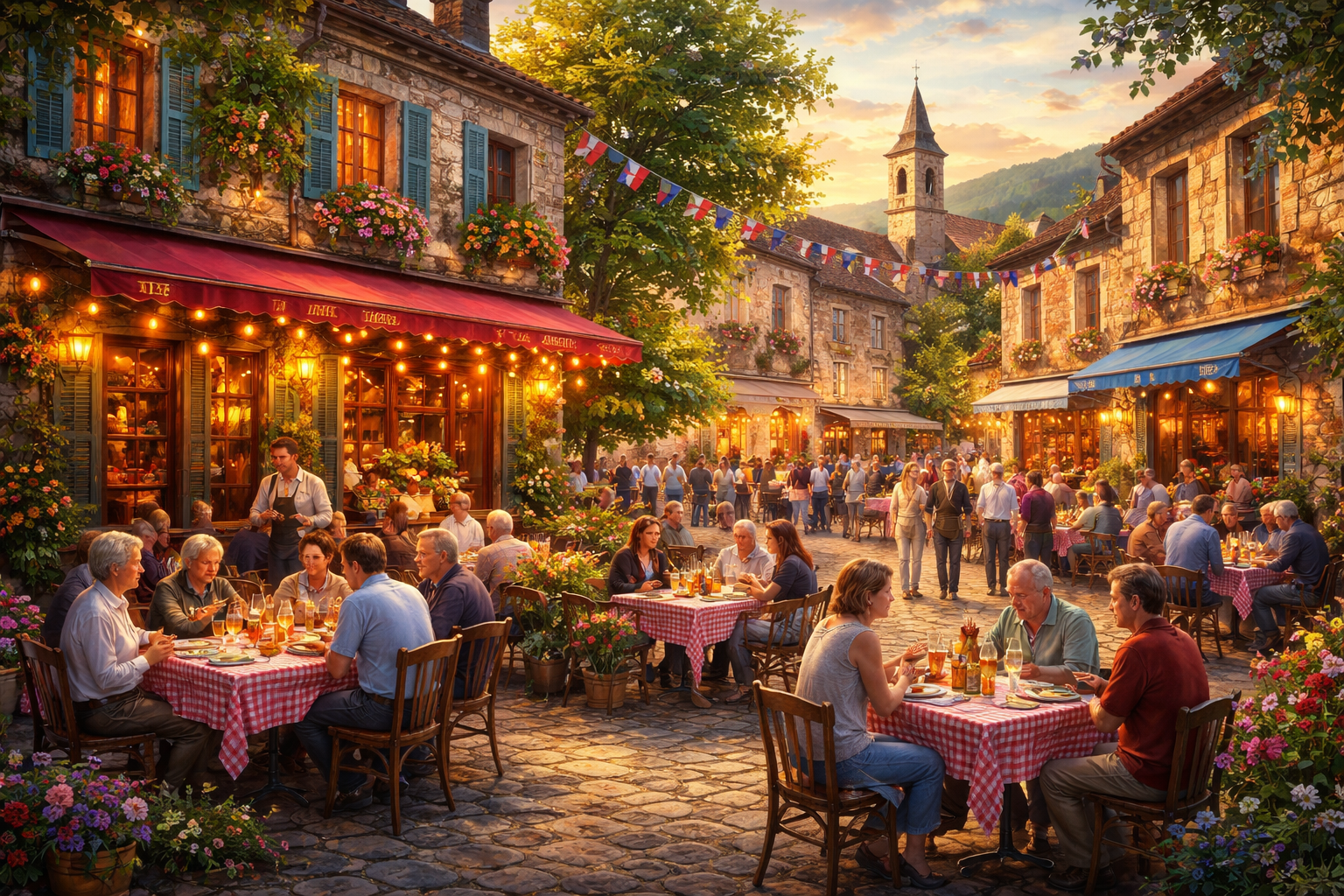
In the northern Burgundy village of Saint-Martin-sur-Ouanne, the local bistro Au Bon Acceuil has reopened after an eight-month closure, symbolizing a broader movement to preserve these vital community hubs across rural France.
The bistro, formerly known as Café de la Gare, draws full tables with its reasonably priced lunches, but attracting patrons is just part of the effort to maintain social connections among villagers who rely on such establishments for daily interaction.
The Role of Bistros in Rural Communities
Local leadership and residents alike stress that village bistros serve as more than mere eateries. Hervé Chapuis, a farmer and village mayor, emphasized that the bistro supports the social fabric by offering a place where people can gather, converse, and restore a sense of normal village life lost when the last bakery closed years ago.
The decline of rural bistros parallels demographic shifts and changes in lifestyle over the decades. Once numbering around 500,000 in 1900, these cafes and bars have dwindled to an estimated 30,000 to 40,000 today, with an ongoing closure rate of about two per day. Shrinking rural populations, changing entertainment habits, and lower alcohol consumption have all contributed to their decline.
Efforts to Revive and Sustain Village Bistros
Campaigns to preserve bistros include attempts to secure recognition from UNESCO as intangible cultural heritage, which advocates say would encourage more entrepreneurs to take on these ventures. Alain Fontaine, who leads France’s Association of Bistros and Cafes, highlighted that losing bistros means losing essential social centers where people meet, debate, and build community ties.
Other grassroots initiatives illustrate the challenges and determination involved. For example, in Camplong near Montpellier, the historic Le Grand Café faced closure after the owner’s retirement. The family opted to run it with volunteer help, aiming to keep it a cultural and social hub despite the village’s modest population.
Government and Community Roles in Preservation
Recent governmental reports have urged regulatory easing for rural cafés, bistros, and hotels to help their survival, noting their importance in sustaining economic and social vitality in rural areas. The National Federation of Country Bistros also recognizes these establishments as critical to community life, often representing the last remaining local businesses.
Communities and local authorities are pitching in with funding and support. Saint-Martin-sur-Ouanne’s local government invested in repairs and provided business guidance to ensure the bistro’s reopening. However, officials acknowledge that not every village can support its own café and that public funds must be allocated wisely.
Rural Isolation and the Fight for Social Cohesion
Groups like 1,000 Cafés are addressing the broader social fracture in the countryside by helping small communities save or open cafes. Such efforts respond to feelings of abandonment among rural residents who often lack access to local commerce and gathering places.
As Nicole Deviterne, mayor of a nearby village without a bistro, noted, maintaining these social establishments depends on the commitment of local people and councils. Their survival represents more than business; it is a fight to keep village life alive and combat rural isolation in France’s countryside.