
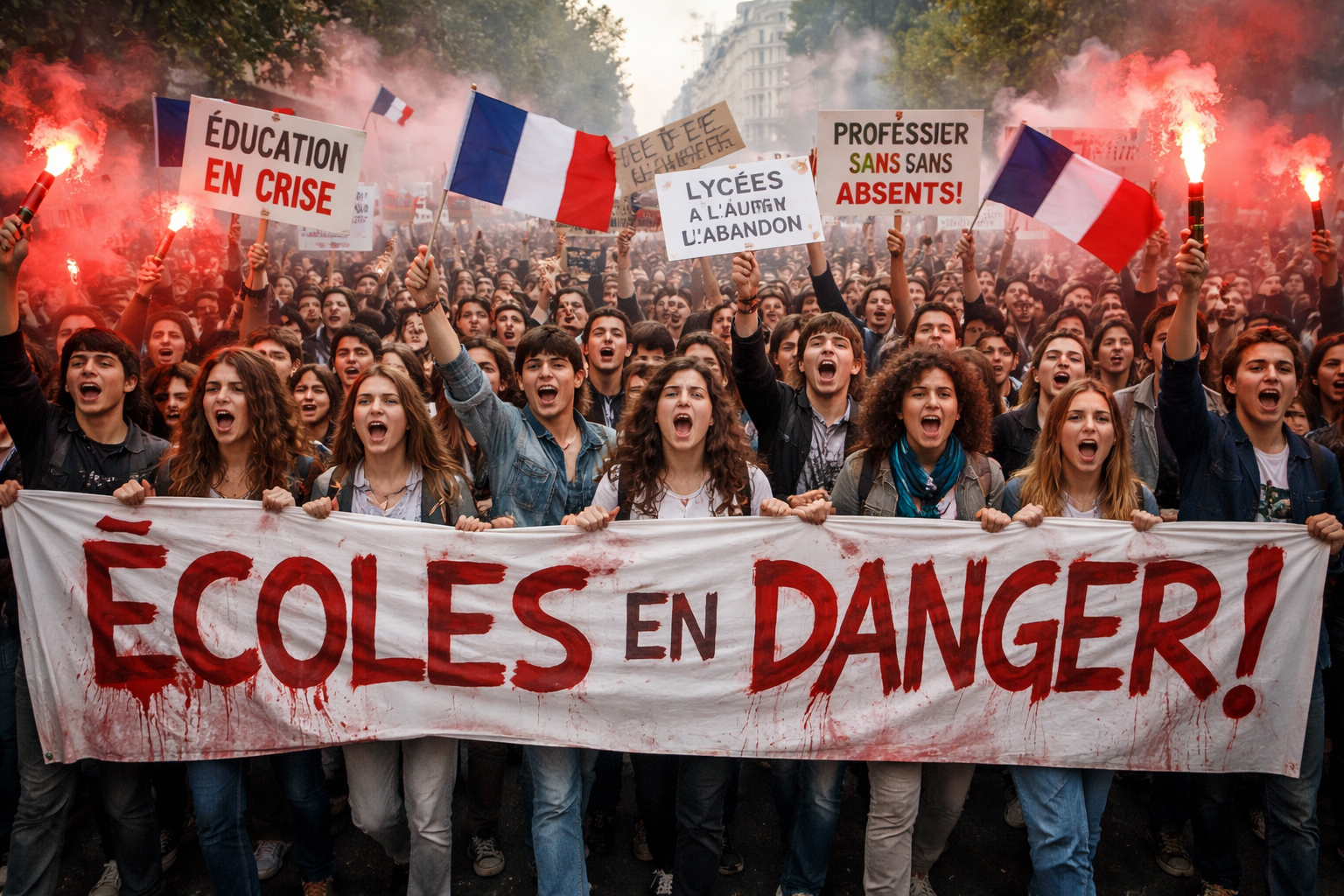
French students across the country have taken to the streets, protesting deteriorating school facilities, overcrowded classrooms, and frequent lesson cancellations. Videos shared on social media depict schools plagued by rats, leaking roofs, broken heating systems, and poor ventilation during extreme heat, underscoring widespread discontent with the state of education in France.
The Lycée Paul Éluard in Saint-Denis, a major protest hotspot near Paris, illustrates these challenges, with students reporting persistent vermin and burst pipes. Nearby schools, including those in Pantin, have faced issues like windows that cannot be opened during 104-degree Fahrenheit summer heat waves.
Infrastructure and Funding Divide Responsibilities Among Local Authorities
Despite France investing 6.7% of its GDP in education—one of the higher rates in the European Union—the benefits are uneven due to how responsibilities are divided. The national government primarily manages teacher salaries and curricula, while local governments maintain school buildings. This system places upkeep of elementary schools under municipalities, lower secondary schools under departments, and upper secondary schools under regional governments, each with differing financial capabilities. Local authorities often face budget constraints, with the majority of funds allocated to staff salaries and pensions, leaving minimal resources for renovations.
More than 80% of France’s elementary school buildings are over 50 years old, with 10 to 20% in severe need of renovation. A regional renovation program in Île-de-France aims to improve facilities at a cost of €6.6 billion through 2027, yet even refurbished buildings often lack adequate protection from summer heat. Some recently renovated or newly built schools have been damaged amid protests, further exacerbating concerns.
Educational Inequality and Staffing Challenges
OECD assessments reveal troubling trends, including more than one-third of French 15-year-olds failing to meet basic math competency standards. While upper secondary education funding is comparatively strong, spending on primary education falls below the industrialized country average, despite early education’s critical role in academic success. Since 2017, reforms have halved class sizes in disadvantaged areas and added 16,000 teaching positions, but recent protests highlight persistent shortages.
The government has announced plans to rapidly recruit over 3,000 substitute teachers and deploy software to identify schools in crisis. Yet, lesson cancellations remain high, with 9% of classes at state secondary schools canceled during the 2023–24 school year, and only about 12% of these made up by other instructors. French teachers also earn lower salaries compared to peers in neighboring countries, aggravating recruitment and retention issues.
Political Tensions Rise Ahead of Presidential Election
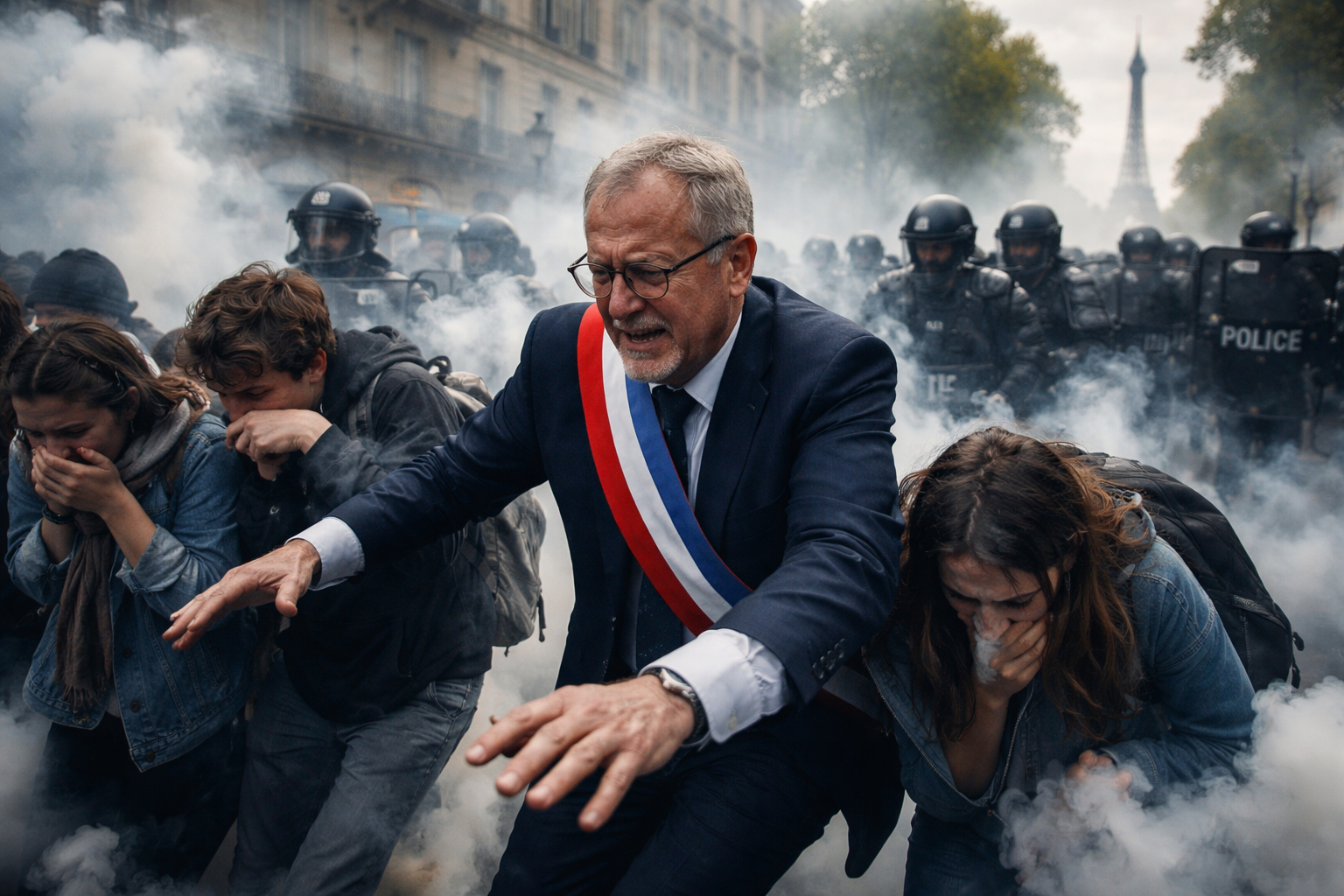
As protests continue, demonstrations have shifted beyond educational grievances, featuring political slogans and clashes with police. Members of the far-left party France Unbowed have shown support for student blockades, prompting government accusations of politicizing the unrest. With presidential elections six months away, the education crisis has become a contentious political issue.