
Understanding the multifaceted experiences of French collaboration and resistance during WWII, and Charles de Gaulle’s lasting symbolism in protecting French sovereignty and culture
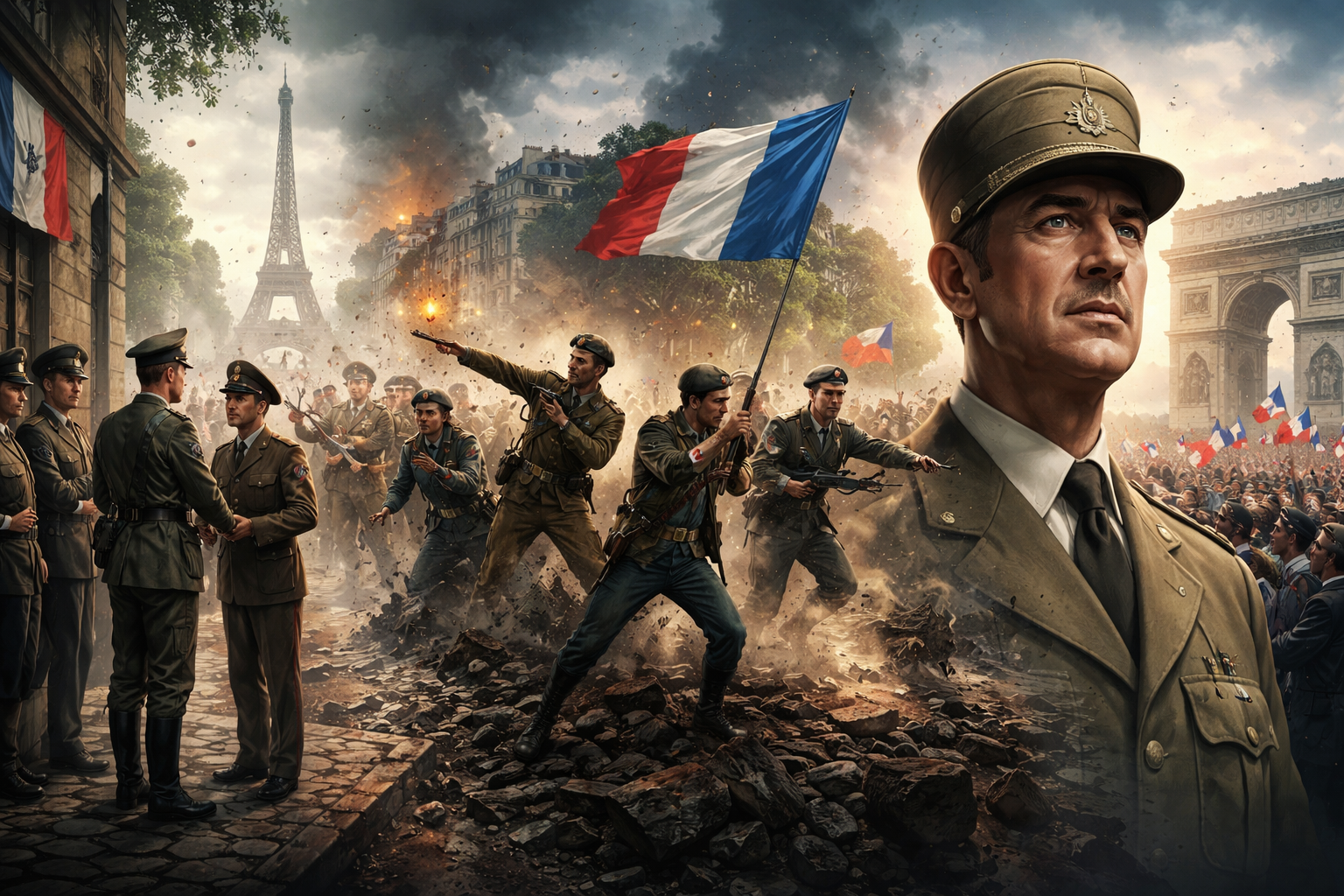
France’s World War II history reveals a deeply complicated story of choices made by ordinary citizens, where some collaborated with Nazi occupiers, while others fiercely resisted. This duality shapes contemporary French cultural reflections and political identity, especially through cinema and the symbolic figure of Charles de Gaulle.
This legacy is visible not only in history books but also in the memories of families and communities, some of which bear scars from those tragic years. It profoundly influences modern debates around French democracy and national autonomy in the face of external threats.
Insights from Michael Rosen and Anthony Lodge, published in The Guardian, provide a window into these local realities and the national significance of de Gaulle’s leadership. These perspectives highlight the complexity of France’s past and its ongoing impact on contemporary society and culture.
Everyday Choices Under Occupation: Collaborators and Resisters
According to Michael Rosen, the wartime experiences of the French people were far from uniform. While some young French joined the armed Milice, collaborating with the Nazi occupiers and betraying their fellow citizens, others risked everything by joining the Resistance. Rosen illustrates his point with personal family history, revealing that local policemen actively arrested Jewish men and women, handing them over to Nazis, under orders from local administrators who were eager to serve the occupiers.
Despite this grim reality, Resistance memorials dotted across rural France honor not only ethnic French fighters but also Jews and even black members who stood against oppression. These memorials capture a story of courage in the face of genocide and brutal occupation. Rosen underscores that the complexities of these local choices mattered deeply, shaping life-or-death outcomes during the war.
The Aftermath: Retribution and Ambiguity
As Nazi defeat became inevitable, Nazi generals ordered brutal massacres of partisans. Some young French men in the Milice continued aiding these efforts to suppress Resistance. After liberation, reprisals against collaborators often involved summary executions. However, justice was uneven. Local administrators who had served the Nazis were sometimes tried and imprisoned but soon benefited from state amnesties, revealing an ambiguous process of national reckoning.
This post-war variation between harsh punishment and clemency reflects the tangled nature of grassroots decisions and the challenge of addressing collaboration amidst widespread trauma.
Charles de Gaulle: The Enduring Symbol of French Sovereignty and Identity
Anthony Lodge highlights how Charles de Gaulle remains a powerful symbol in contemporary France, representing resistance not just to Nazi occupation but to any external threats to the nation’s autonomy. Unlike in the UK, de Gaulle’s impact transcends military leadership, embodying France’s postwar strive for independence in multiple spheres — from nuclear weapons development and automobile manufacturing to cultural preservation like maintaining the French language.
This determination to protect French identity underlies ongoing tensions in French democracy, especially amid rising extremist political threats. Lodge emphasizes that the French people’s investment in de Gaulle reflects a deep-rooted commitment to safeguarding their country’s uniqueness and freedom from outside influence.
French Cinema’s Reflection on the Past and Present
The Guardian editorial notes a renewed interest in French cinema to revisit WWII stories, often focusing on “great men of history” such as de Gaulle. Yet, it is crucial to remember that the toughest decisions during the war were made by ordinary people — grandparents and great-grandparents — whose lives and choices shaped the fate of their communities.
These films offer French audiences a way to confront their complex history, balancing narratives of heroism and collaboration. They also serve as a reminder that the wounds and dilemmas from that era continue to inform France’s political and cultural conversations today.
In sum, the legacy of WWII in France involves a mosaic of courage, betrayal, survival, and national identity, intricately connected to the figure of Charles de Gaulle and the country’s ongoing quest for sovereignty.
Sources: Michael Rosen and Anthony Lodge, The Guardian