
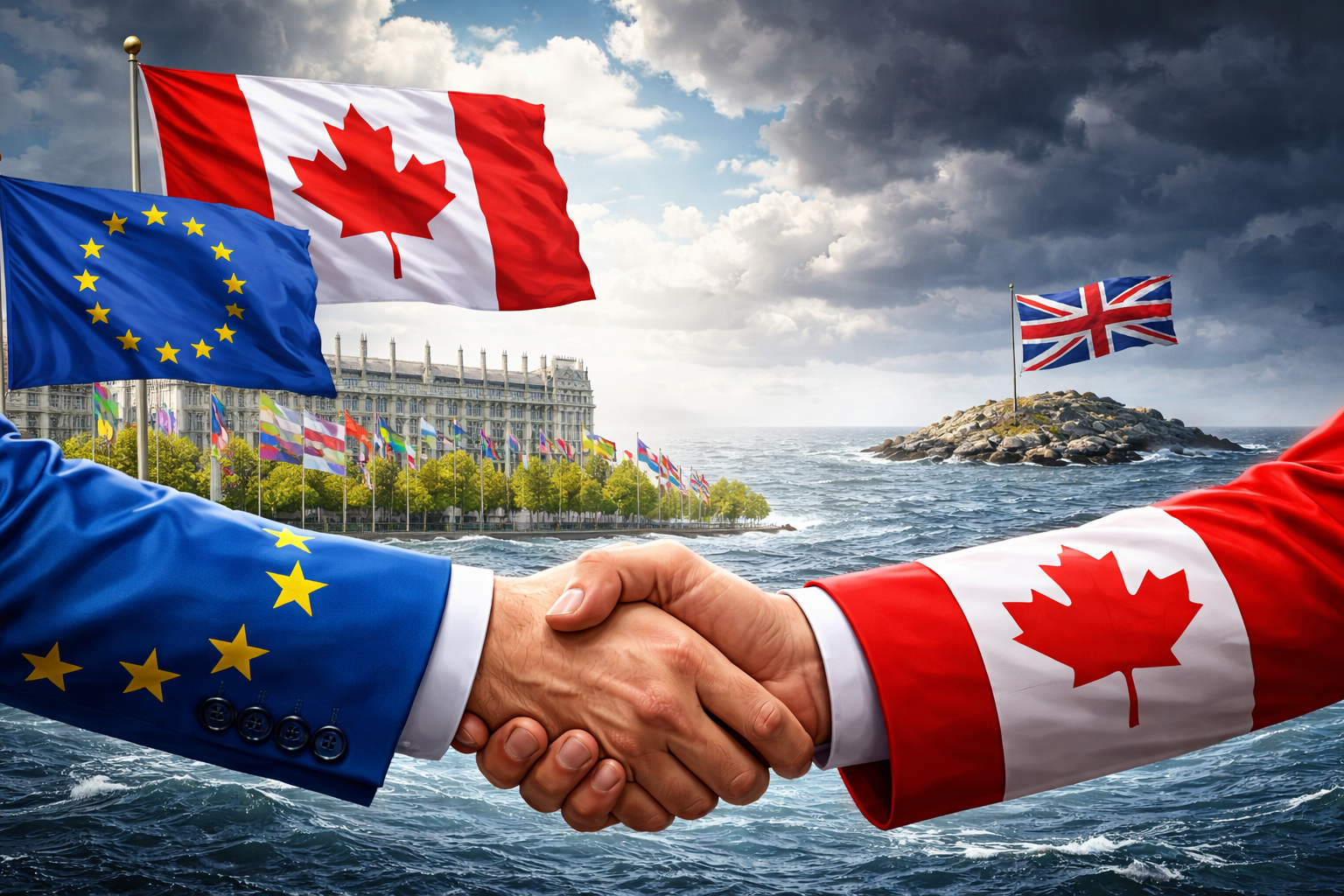
European Commission President Ursula von der Leyen revealed a significant shift in the EU’s external relationships by proposing a new “associate membership” for Canada. This initiative aims to strengthen alliances amid a globally “openly hostile world,” underscoring the strategic need for closer cooperation between democratic middle powers.
The announcement, made during von der Leyen’s State of the Union speech in Strasbourg, was met with a standing ovation and offered a model of deeper integration with a key ally, leaving Britain notably absent from similar prospects due to its Brexit-driven clean break from the EU.
Key Elements of the EU-Canada Proposal
The associate membership concept remains broadly defined but signals a willingness by the EU to develop a new framework for partnership beyond existing agreements. Canada, rich in critical raw materials (CRMs) and rare earths, is poised to become an essential supplier amid the EU’s strategic push to diversify its sources, reducing dependency on China.
Canada, meanwhile, faces challenges accessing the EU market due to ongoing trade tensions, particularly those related to past policies under former U.S. President Donald Trump. This emerging partnership could open new economic opportunities for Canada while enhancing the EU’s supply security in sectors ranging from automotive to defense.
Implications for the UK and Broader European Strategy
Observers such as Joël Reland from UK in a Changing Europe described the proposal as an “earthquake” in EU external relations, albeit “deliciously vague,” especially concerning how legal and treaty obligations would be defined.
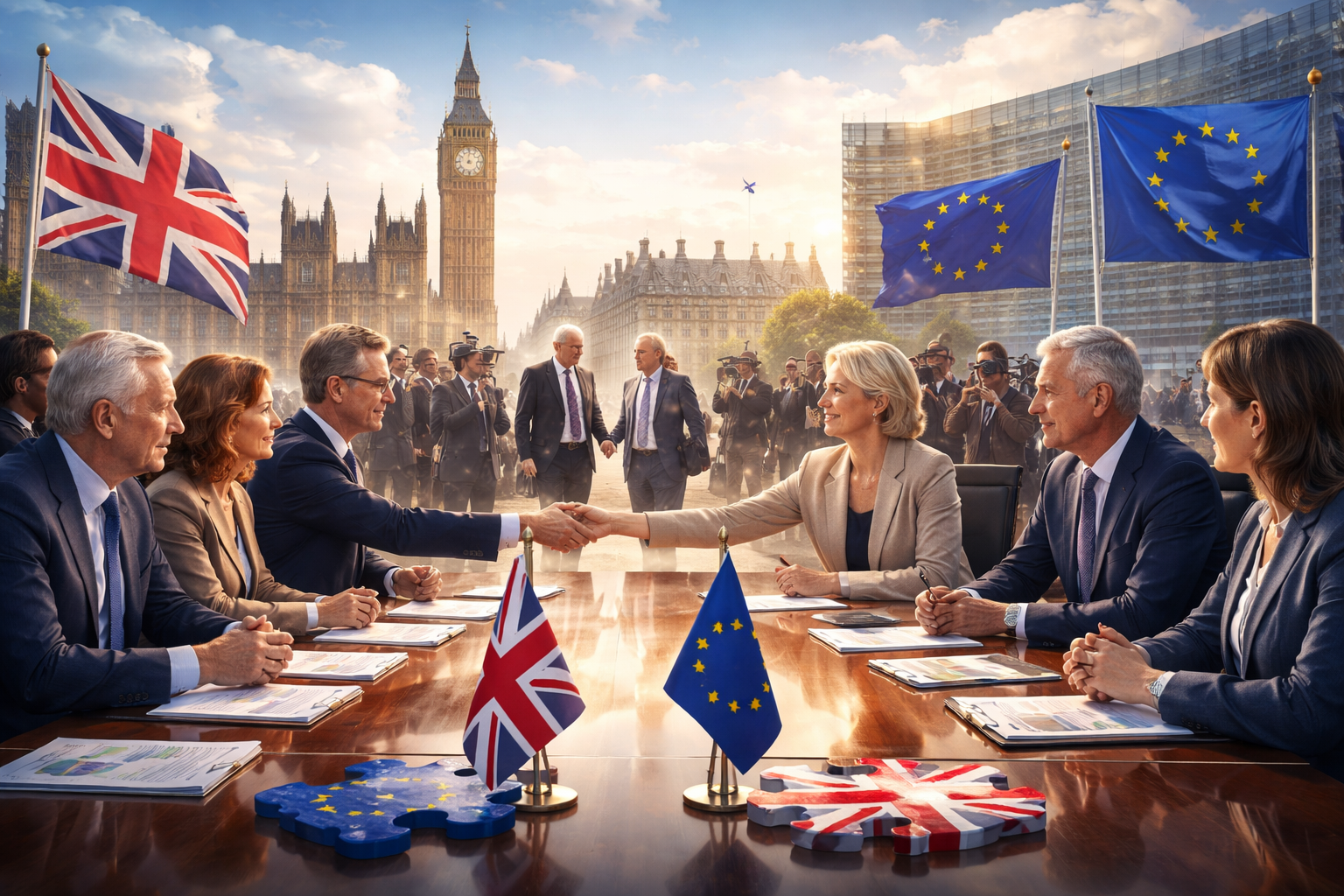
For the UK, once considered capable of negotiating an associate membership arrangement, the EU’s new approach to Canada highlights the ongoing challenges of redefining post-Brexit relations. The UK’s current political environment and cautious approach to EU engagement contrast with the more ambitious integration envisaged for Canada.
Several European parliament members, including Tobias Cremer and Bernd Lange, have suggested that the EU-Canada model might serve as a blueprint for partnerships with other democratic middle powers. This new framework appears intended to counterbalance China’s assertiveness and promote alliances based on shared values and mutual benefit.
Strategic Context and Future Outlook
The EU has long struggled with critical raw materials sourcing, introducing policies such as the Critical Raw Materials Act to address dependencies. Canada’s abundant resources present a direct solution to these concerns, strengthening the rationale behind deepening ties.
At the same time, political realities in countries like the UK make similar arrangements complicated. Regional leaders such as Andy Burnham focus on domestic issues, with little appetite for reopening contentious Brexit debates linked to EU membership models.
While the UK seeks a modest reset in its EU relations, the EU’s offer to Canada signals a broader ambition to forge new, adaptive partnership models. The success and clarity of this initiative will likely influence future discussions about how the EU engages with states beyond its borders.