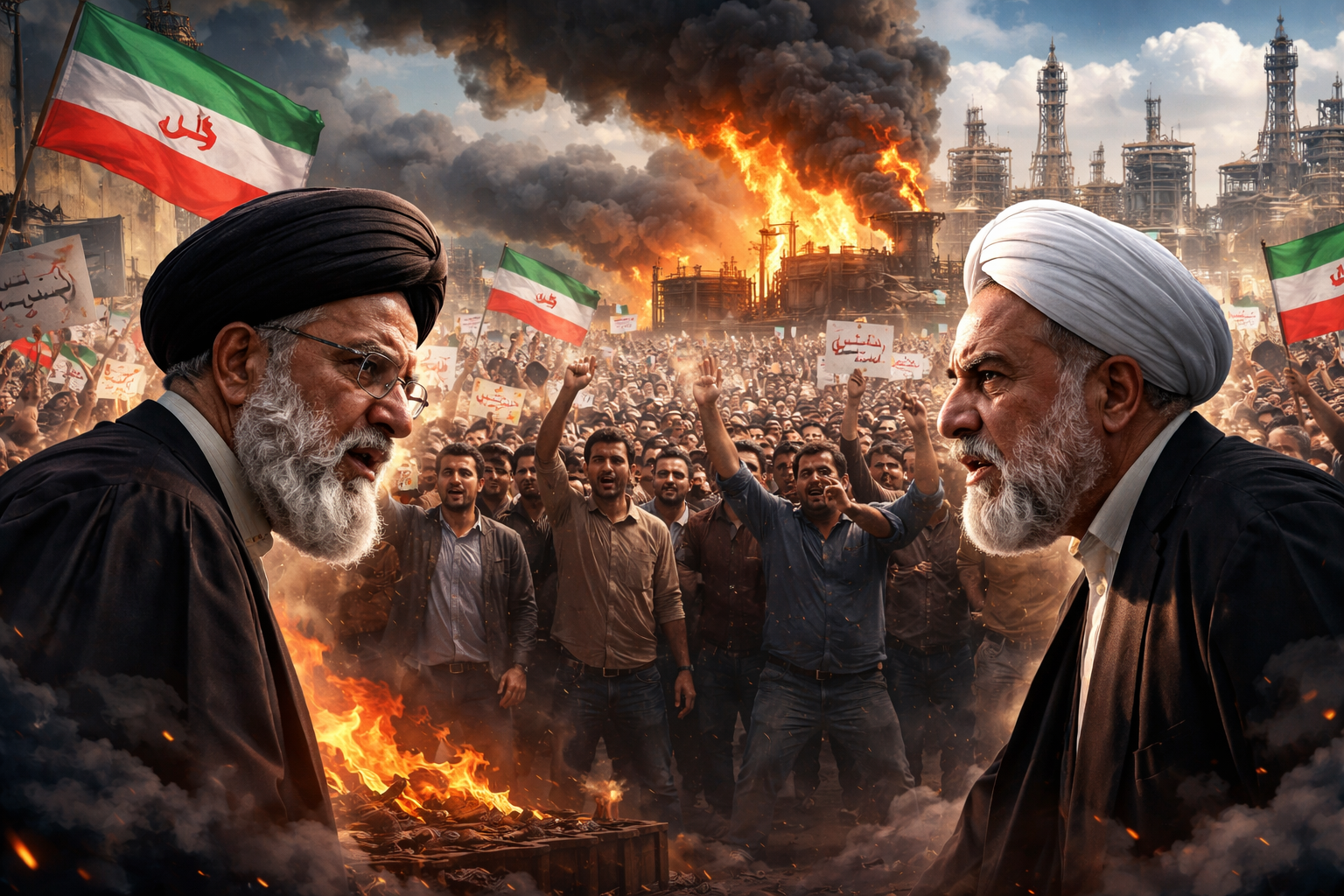
Tensions within Iran’s political leadership have sharpened amid growing economic challenges and ongoing international conflicts. Hardliners in Iran’s parliament are demanding the removal of the country’s foreign minister, Abbas Araghchi, following his unauthorized meeting with U.S. negotiators at the United Nations General Assembly. The growing power struggle targets President Masoud Pezeshkian’s government, already strained by economic hardship and the recent resignation of Oil Minister Mohsen Paknejad.
According to reports, parliamentary factions have initiated impeachment motions against Araghchi, signaling deeper divides over diplomatic engagement with the U.S. This internal discord coincides with a sharp decline in oil exports due to U.S. sanctions, which are a crucial source of revenue for Iran.
Parliamentary moves to impeach foreign minister
Lawmakers such as Amirhossein Sabeti and Hossein-Ali Haji-Deligani have pushed for impeachment proceedings against Araghchi, accusing him of conducting unauthorized negotiations. Critics emphasize that the foreign ministry often acts within government directives, and the supreme leadership’s reluctance to engage publicly shifts responsibility to moderate government officials.
Political analyst Ali Afshari, residing in the U.S., explained that the hardliners use such events to undermine moderate factions by targeting ministers acting under broader government policies. Hardliners have historically played a significant role within Iran’s political system, influencing public opinion and domestic and foreign policy values.
Economic pressures intensify amid oil export challenges
Iran’s economic situation is deteriorating further due to international sanctions restricting oil exports, a primary revenue stream. The oil minister’s recent resignation, officially for personal reasons, has done little to ease the government’s mounting economic strain.
Energy strategist Umud Shokri noted that the Oil Ministry’s leadership change is unlikely to impact the entrenched opaque networks that control Iran’s oil revenues, many linked to powerful factions such as the Islamic Revolutionary Guard Corps (IRGC). These private actors reportedly manage oil sales covertly, limiting government oversight and transparency regarding prices and commissions.
Implications of power struggle and sanctions
The ongoing political infighting amid worsening economic conditions suggests potential instability in Iran’s governance. Analysts warn the clash between hardliners and moderates could deepen, with sanctions complicating government control over crucial financial resources. The political and economic challenges are likely to escalate in the near term, influencing Iran’s domestic landscape and international relations.