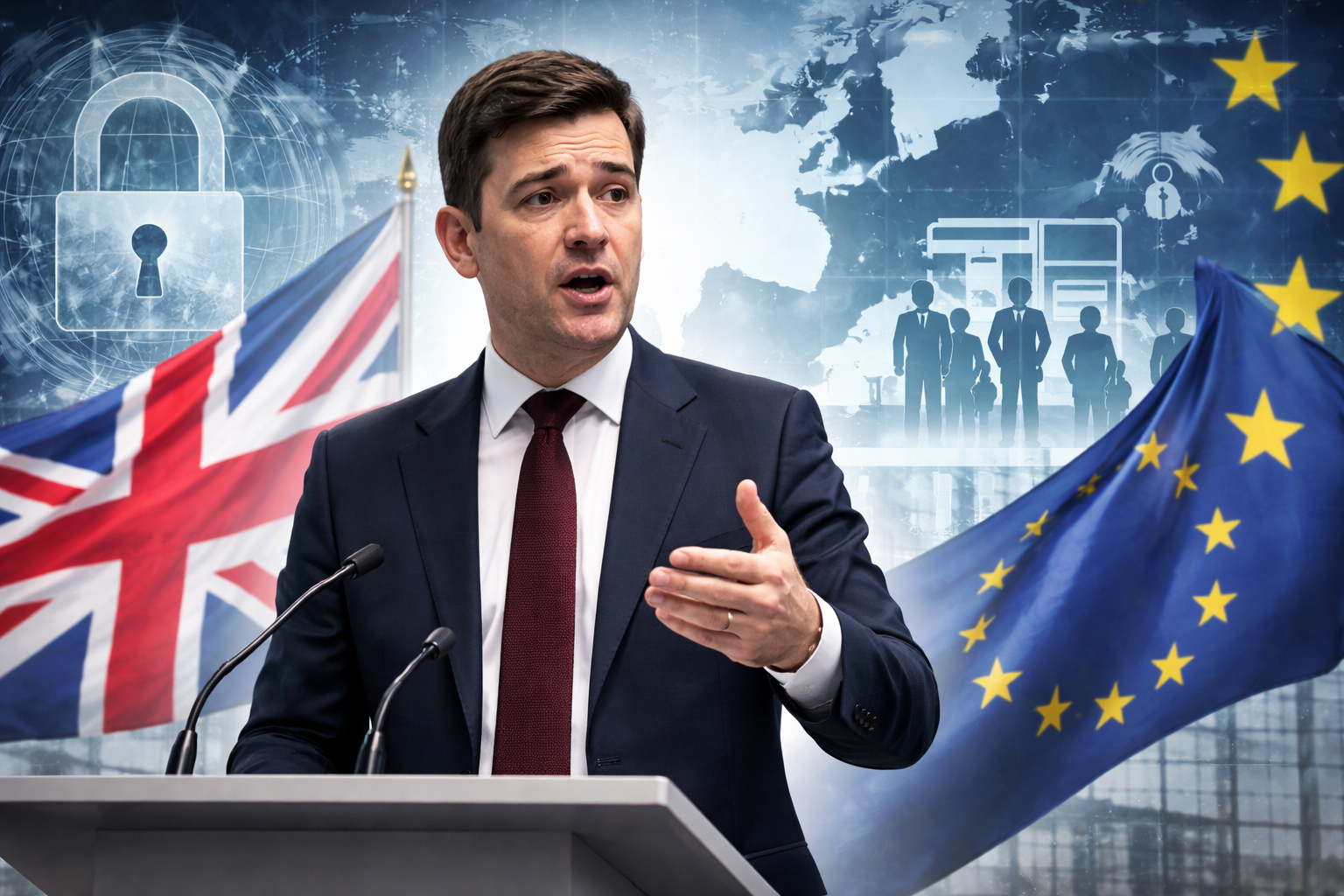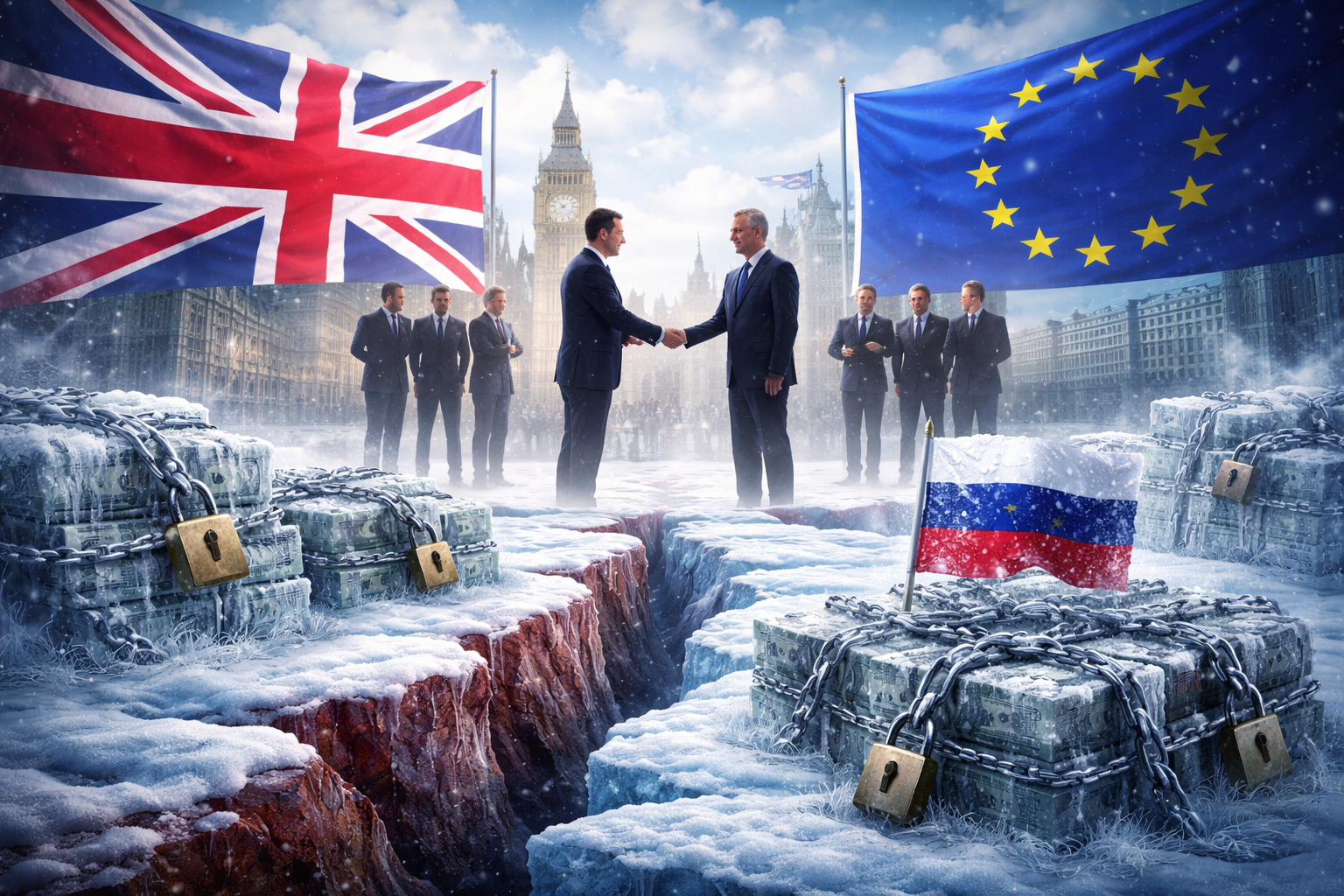
At the Warsaw Security Forum, UK representative Ed Miliband highlighted the critical choices Europe faces regarding Russian sovereign assets frozen amid the ongoing conflict in Ukraine. He expressed the United Kingdom’s willingness to collaborate closely with the European Union on this issue, stressing the need to send clear messages to Russian President Vladimir Putin to support European security and Ukraine’s cause.
Miliband underscored that the current period tests Europe’s resolve, as the conflict enters its fourth year with Russian hybrid warfare tactics and aggression continuing unabated. He affirmed that although Putin is not winning the war, his defeat is not guaranteed, and so Europe and its allies must intensify efforts, particularly through sanctions and supporting Ukraine with defensive and fiscal aid throughout the approaching winter.
Europe’s Strategy on Sanctions and Frozen Assets
The UK official called for Europe to “redouble our efforts on sanctions,” referencing the debate around the use and potential release of frozen Russian assets. Poland’s Radosław Sikorski voiced strong opposition to any suggestion of returning these assets to Russia, stating such a measure would be unacceptable. He also described the legal and financial challenges tied to frozen assets but highlighted ongoing European Commission work to create legal instruments to share the risks of disputes involving these funds.
Germany’s Johann Wadephul supported continued sanctions while acknowledging that Russia remains unprepared for a ceasefire. He emphasized the necessity of sustained funding and support for Ukraine and noted Europe’s growing unity compared to the beginning of the war.
Broader Context of the Conflict and European Security
Miliband reflected on the historical significance of defending European values, drawing upon his family’s experience as Jewish refugees during World War II. He articulated a commitment to fighting for democracy, freedom, and the rule of law, framing the effort as vital for future generations and the maintenance of the international order.
Other ministers at the forum highlighted the complex dimensions of the conflict. Norway’s Espen Barth Eide defended institutions like the International Criminal Court as necessary mechanisms for accountability and stressed the need for tangible consequences against violations of international law. Sikorski expressed concern about Europe’s strategic status in a world increasingly dominated by powers like the US, China, and Russia.
Outlook and Challenges Ahead
All panelists agreed that supporting Ukraine through the upcoming winter with military, fiscal, and energy assistance is crucial. There was a consensus that Europe’s unified stance is critical to deterring Russian aggression and ensuring regional security. Miliband reaffirmed the UK’s commitment to working with the EU on these efforts despite Brexit-related challenges.
As discussions continue, the focus remains on maintaining pressure on Russia while preparing for possible diplomatic and military developments, underscoring the importance of European cohesion in the face of ongoing threats.