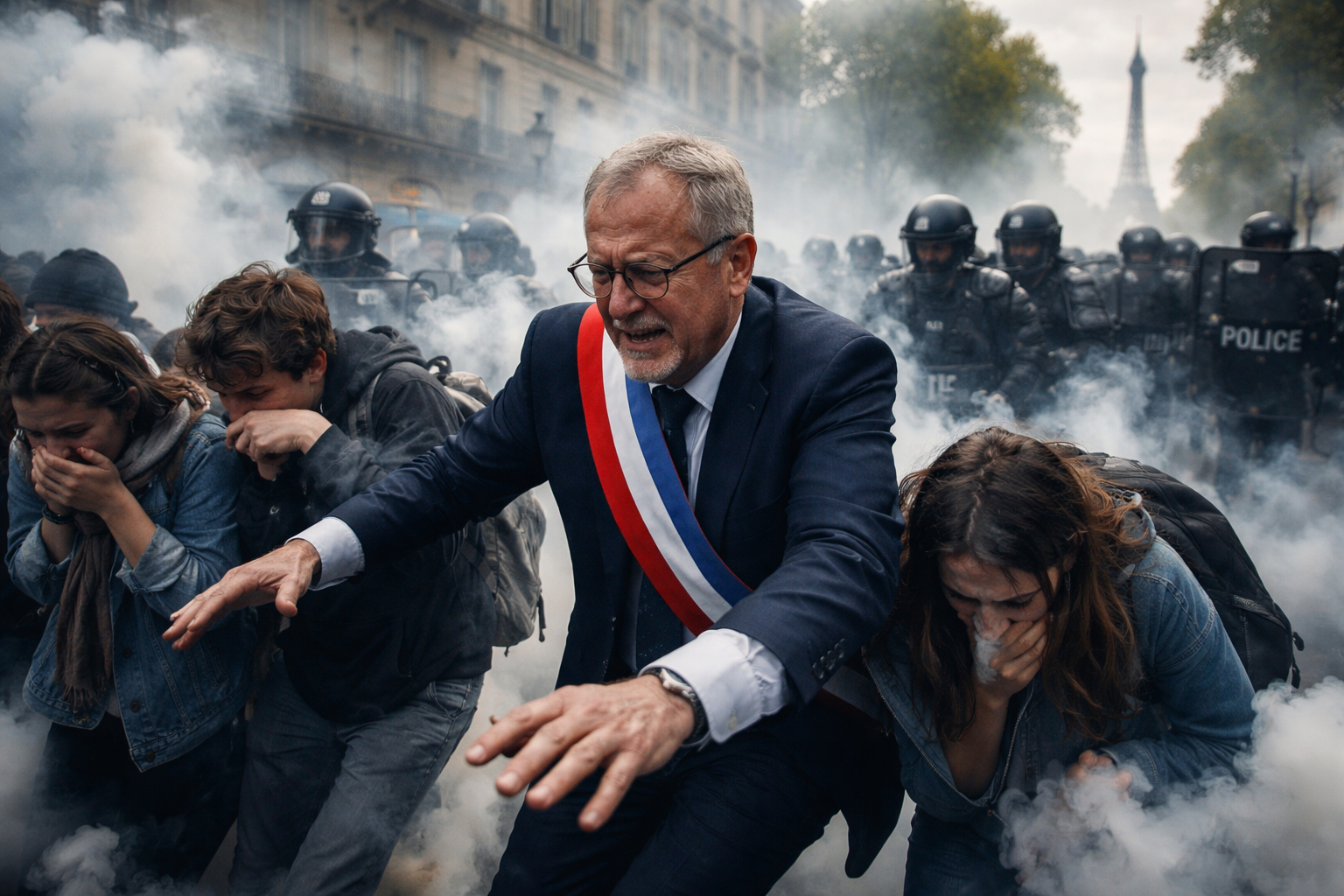

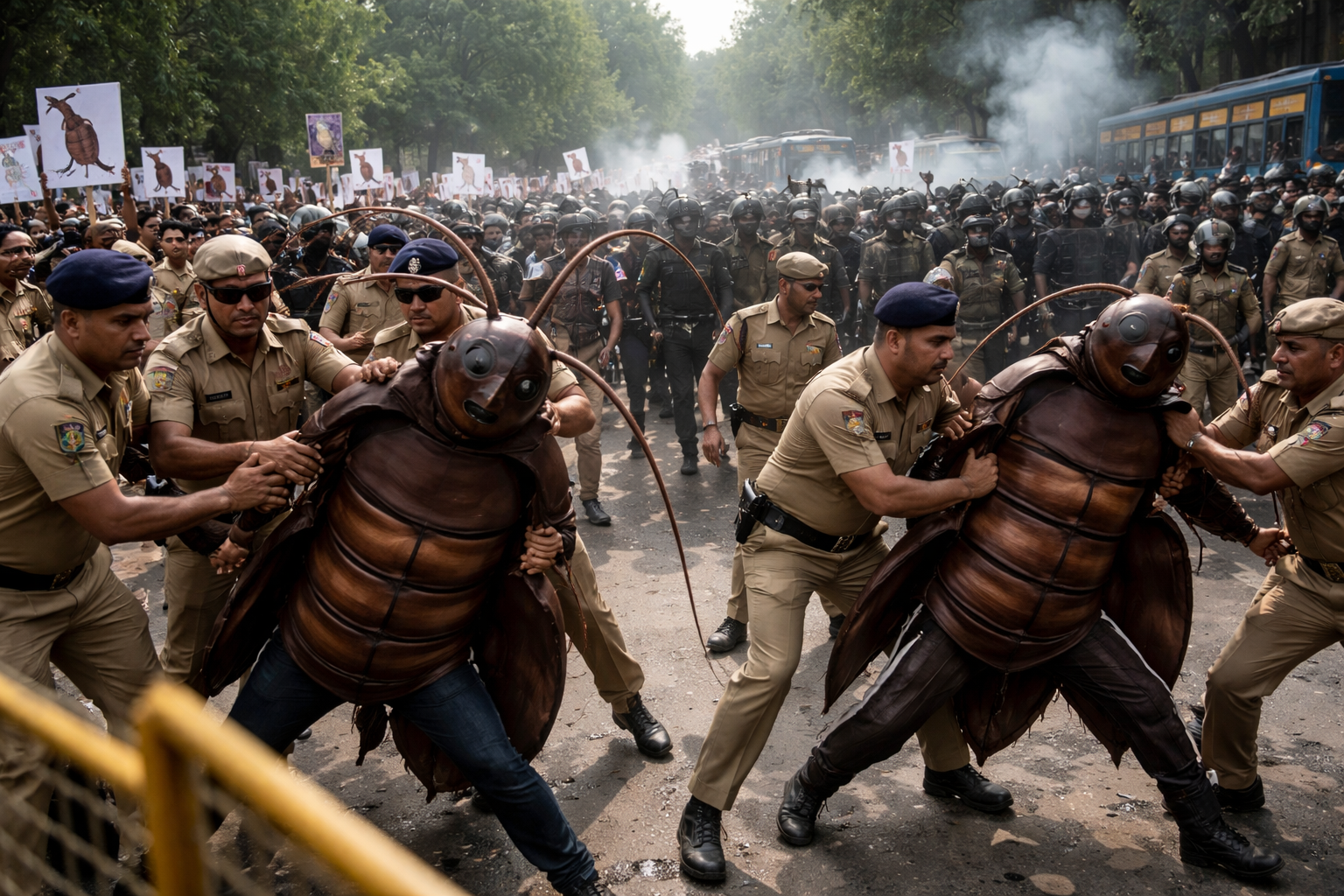
Indian authorities have arrested key leaders of the Cockroach Janta Party (CJP) and deployed approximately 43,000 security personnel across New Delhi to prevent a large-scale protest planned for October 10. The demonstration was organized to oppose recent voter list revisions, which critics argue favor the ruling Bharatiya Janata Party (BJP), and to demand the resignation of Chief Election Commissioner Gyanesh Kumar, according to reports.
Authorities imposed extensive restrictions, including internet suspensions in central Delhi and limitations on metro and railway services, to curtail the protest. The founders of CJP, including Abhijeet Dipke, were detained before disembarking from their flights into the capital, and thousands of protesters were also detained in a major police crackdown.
Protest efforts and police response
Despite heavy police barricades and detentions, some protesters gathered near the designated site at Jantar Mantar and other parts of central Delhi, attempting to maintain their presence. Protesters described their interactions with police as a “cat and mouse” situation, with security forces in overwhelming numbers. Demonstrators questioned the necessity of seeking permission from the government they intended to protest against.
Following the detentions of CJP’s main leaders, Ajinkya Shinde was appointed interim protest leader and encouraged supporters to continue marching toward Jantar Mantar, stating that wherever police stopped protesters would become the new protest site.
Impact on media and legal community
The protests also affected journalists covering the events, with reports of brief detentions, phone seizures, and physical assaults on media personnel by police. The Committee to Protect Journalists called for the immediate release of journalists and the return of their equipment, urging authorities to allow press freedom for ongoing coverage.
Several lawyers protesting in and around the Supreme Court premises were also detained, prompting the Supreme Court Bar Association to call for urgent intervention by the Chief Justice of India to ensure the safety and whereabouts of detained advocates.
Political reactions to the crackdown
Indian opposition figures condemned the government’s measures. Congress MP Shashi Tharoor criticized the large security deployment and internet suspension as repressive, calling for the release of detainees and open dialogue regarding election concerns. He referred to the government’s actions as suppressing dissent, not addressing allegations.
Arvind Kejriwal, leader of the Aam Aadmi Party and former Delhi chief minister, labeled the current restrictions as worse than the state of emergency in the 1970s, asserting that the Modi government was governing like a dictatorship. Meanwhile, the BJP accused opposition parties of attempting to incite tensions and destabilize the country, attributing the protests to alleged foreign interference without providing evidence.
Ongoing developments and opposition demands
At least 200 additional protesters were detained while attempting to reach the protest site in Connaught Place. Other opposition groups, including the All India Students’ Association, have also been active in protests against the Chief Election Commissioner throughout the week.
Opposition leader Rahul Gandhi reiterated calls for Gyanesh Kumar’s resignation and criticized the government for allegedly undermining India’s electoral system. A delegation led by Gandhi submitted a memorandum to President Droupadi Murmu accusing key government figures of gross subversion of elections and demanding reforms.