

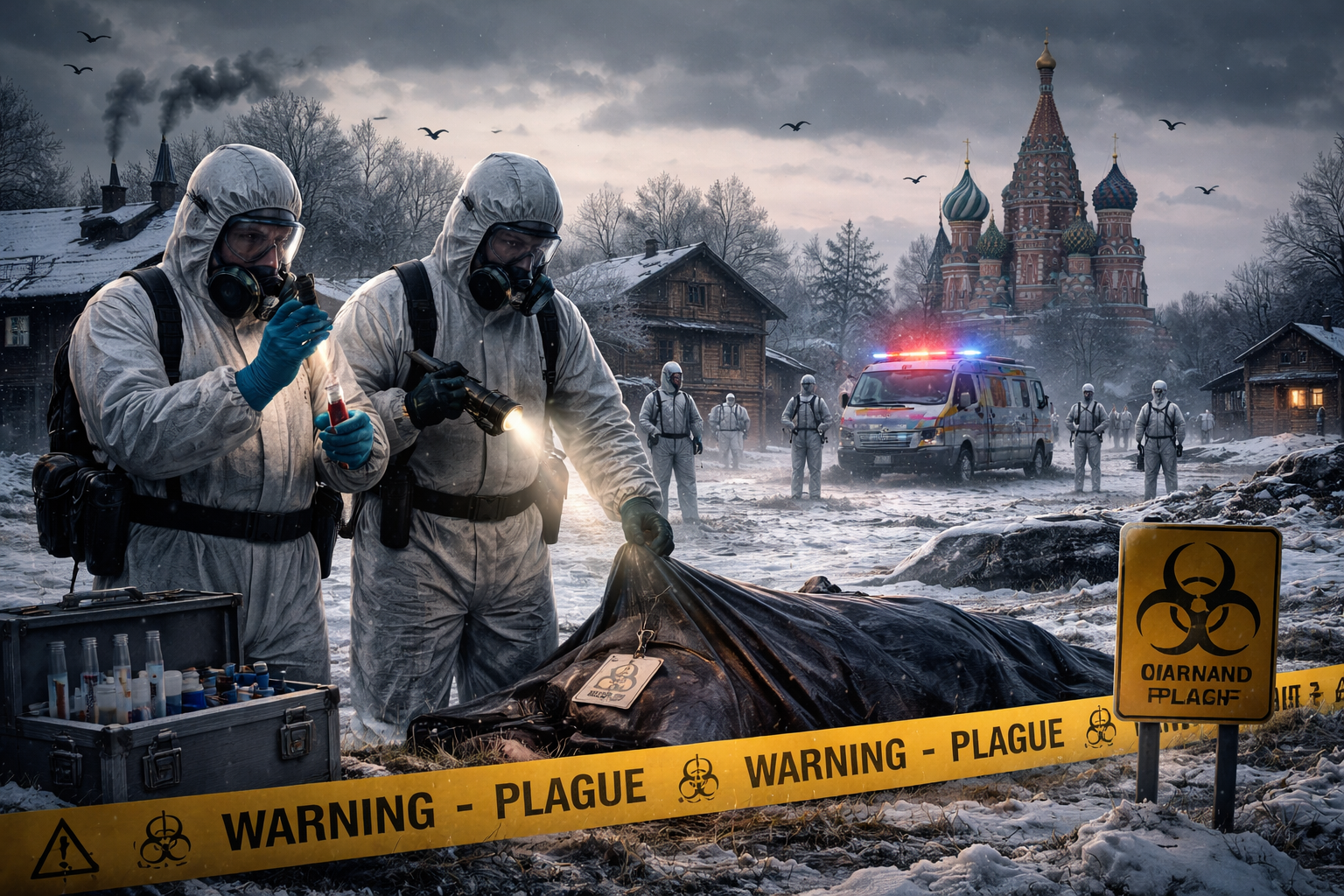
The European Centre for Disease Prevention and Control (ECDC) is closely monitoring the situation following reports of a laboratory worker’s death in Russia linked to pneumonia possibly caused by pneumonic plague. As of October 6, 2026, the ECDC states that there is limited information available and no evidence of sustained human-to-human transmission or additional cases.
The deceased, a 28-year-old woman employed at a Siberian institute dedicated to plague research near Irkutsk, died on October 2 after reportedly dropping a test tube during her work. Russian officials have denied any connection between her death and the plague pathogen, describing the cause as “pneumonia of unknown origin” with no indication that her illness was related to her professional activities.
Precautions and Official Responses
In response to the death, two hospitals and a children’s clinic in the Shelekhov district were placed under quarantine. Approximately 200 individuals who had contact with the lab worker are reportedly under observation. Staff at the research institute are being quarantined at their workplace. Russian authorities maintain that there is no broader community risk.
However, skepticism persists among some in the affected area. Comments on Russian social media channels reflect concern over potential outbreaks and quarantine measures, highlighting distrust about the official handling of information.
Understanding Pneumonic Plague and Its Risks
Pneumonic plague, the lung infection form of plague caused by the bacterium Yersinia pestis, is highly contagious and can spread through respiratory droplets. It differs from bubonic and septicemic plague in transmission and fatality rates, with pneumonic plague capable of causing severe epidemics if untreated.
Symptoms appear rapidly within 24 hours of exposure, including high fever, headache, chest pain, and coughing blood. Treatment with antibiotics must begin promptly—ideally within the first 24 hours of symptom onset—to avoid fatal outcomes. The World Health Organization recommends isolation and preventive antibiotics for close contacts of infected individuals even if asymptomatic.
Current Status and Outlook
At this time, there are no confirmed secondary infections related to the Russian lab worker’s case. The ECDC and global health authorities continue surveillance, urging quick treatment and caution. The WHO does not recommend plague vaccination for the general public but reserves it for high-risk groups such as laboratory and healthcare workers.
The situation remains fluid, with Russian officials and international agencies providing updates as more information becomes available.