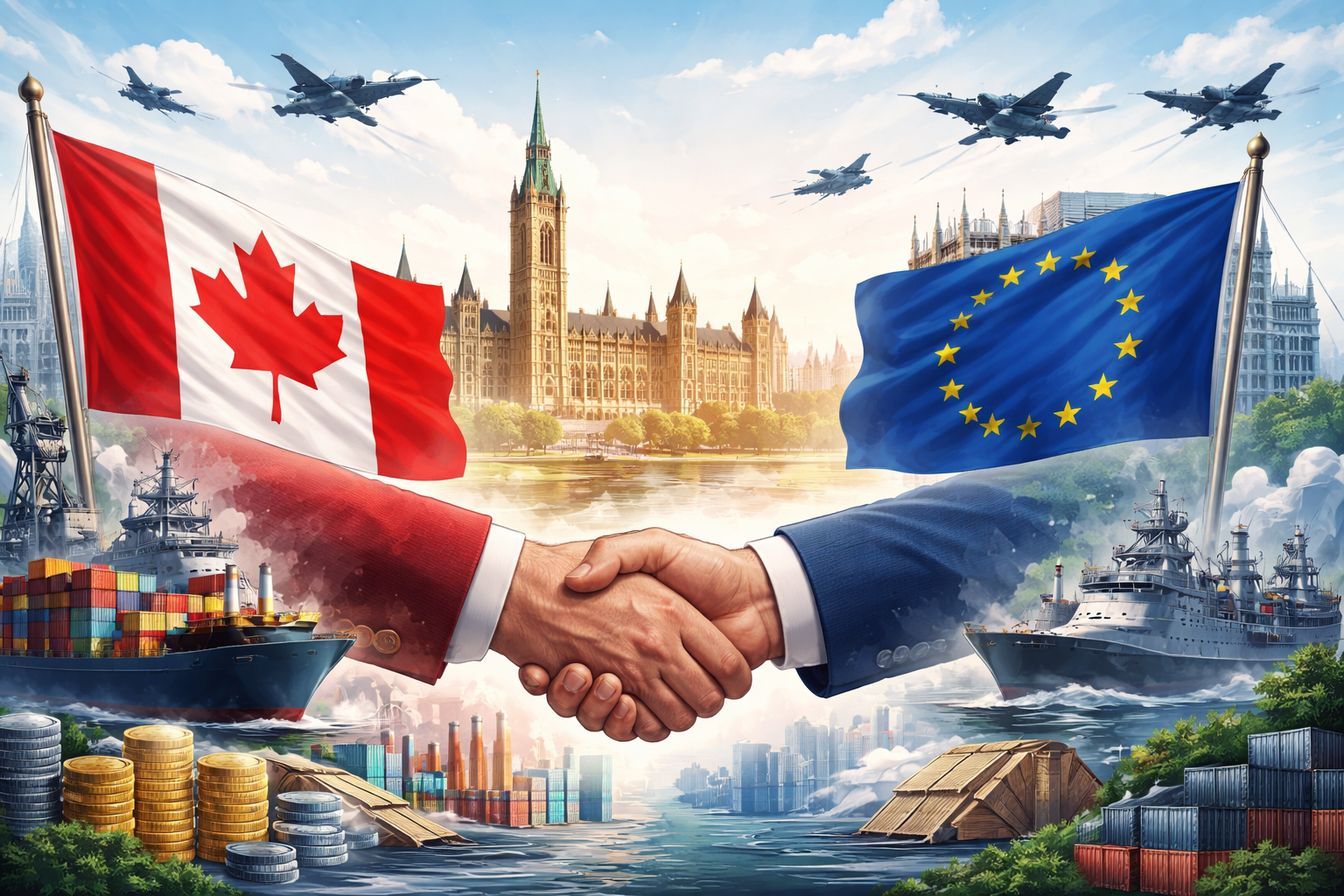

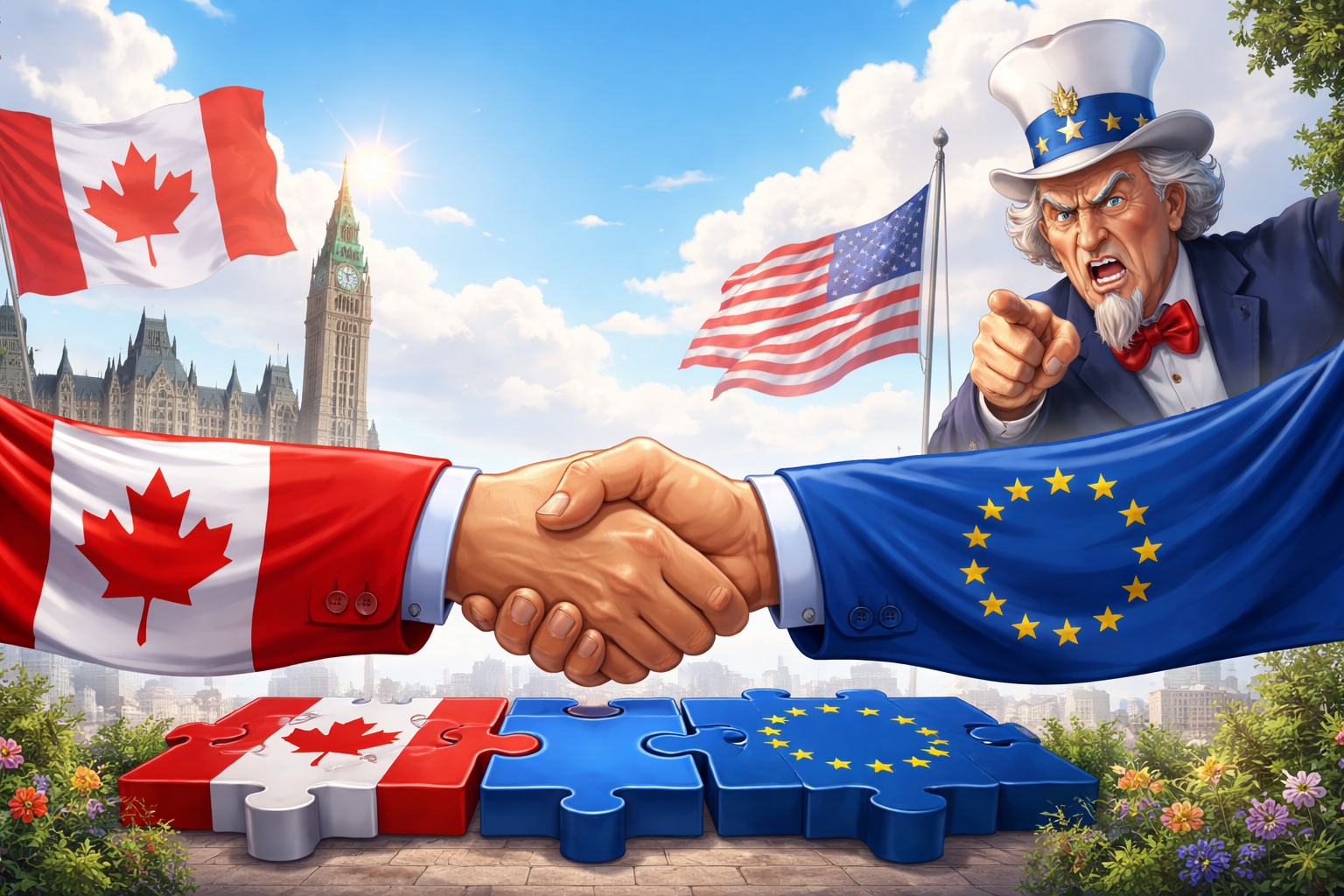
Canada has expressed strong support for becoming the European Union’s first associate member, embracing a proposal aimed at enhancing cooperation and strategic autonomy between Canada and Europe.
Speaking at the European Parliament in Strasbourg, Canada’s leader emphasized that recent polls show most Canadians favor closer relations with the EU. This endorsement follows a suggestion by European Commission President Ursula von der Leyen, who invited Canada to elevate its partnership to an unprecedented associate membership level.
Canada’s vision for cooperation
The Canadian leader outlined a future relationship focused on collective resilience rather than self-sufficiency. Priority areas include critical minerals, defense industry capacity, artificial intelligence, energy security, space exploration, and seamless digital trade in non-agricultural goods and services.
He proposed initiatives such as a youth exchange allowing young people to study, work, and live on both sides of the Atlantic, along with Canadian participation in the EU’s Erasmus+ educational program.
U.S. response and Canadian stance
The plan has drawn sharp criticism from former U.S. President Donald Trump, who called the proposal “laughable” and threatened to impose severe tariffs on Europe should the partnership proceed. In response, Canada affirmed its commitment to maintaining its sovereignty and international agreements without external dictation.
The leader clarified that Canada does not seek full EU membership but sees value in solidifying strategic cooperation with European nations as a collective beacon for democracies worldwide.
EU and international perspectives
The idea of associate membership is unprecedented and presents legal and political challenges, as this status is not currently defined within EU treaties. While broadly supported by EU member states as a concept for deeper ties, the label “associate member” has met some reservations.
Germany’s chancellor earlier proposed a similar status for Ukraine as a possible interim step before full EU membership, a move not embraced by all member countries.
Despite opposition, European parliamentarians greeted the Canadian leader’s address with a standing ovation, reflecting a favorable view toward enhancing the transatlantic alliance amid increasing global power competition.