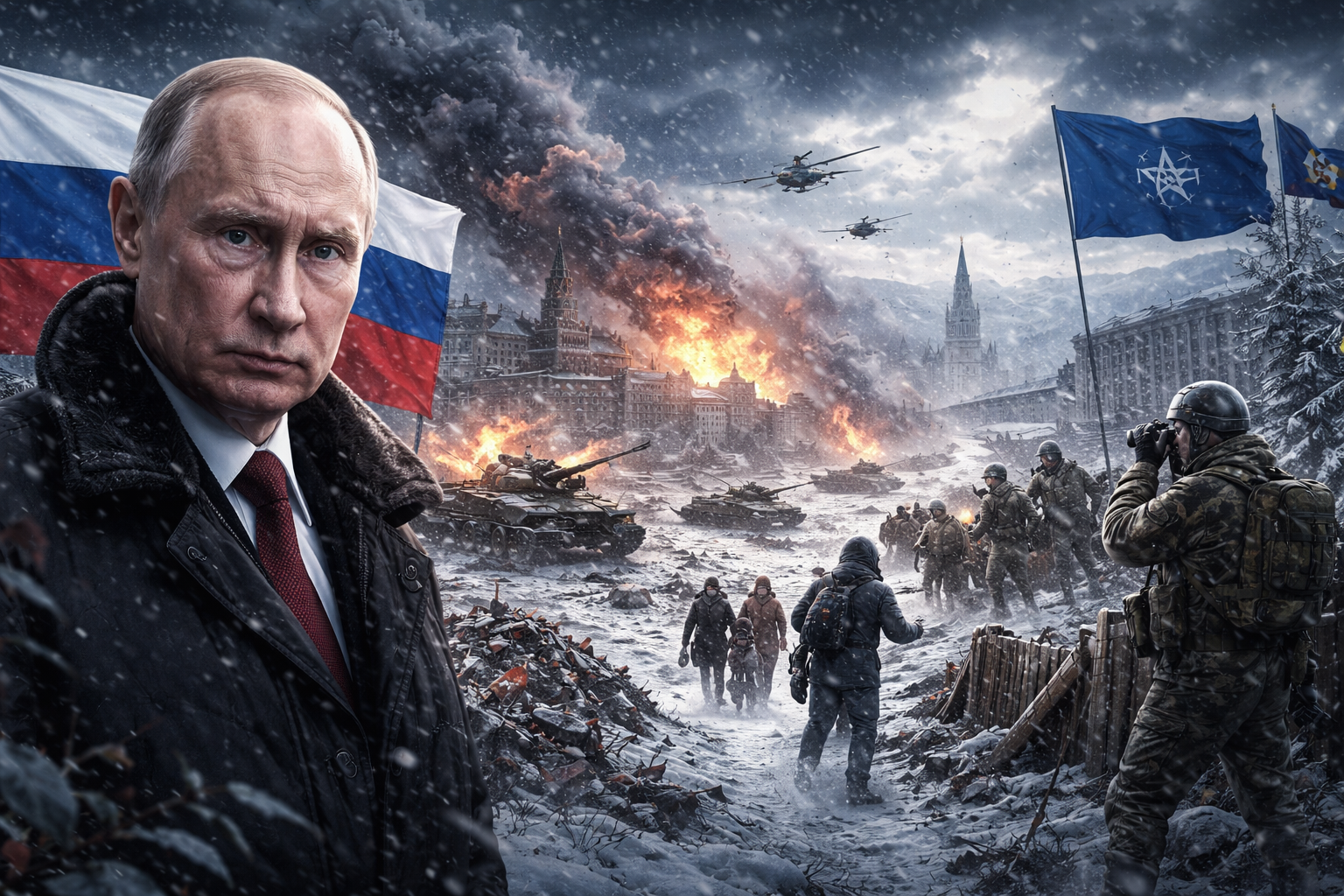
Russian President Vladimir Putin is intensifying military assaults on Ukraine despite mounting evidence of battlefield setbacks and growing domestic pressures. As a harsh winter approaches, the civilian population in Ukraine faces escalating dangers from daily missile and drone strikes targeting critical infrastructure, including power grids, water supplies, hospitals, and distribution centers.
According to reports, these systematic attacks have resulted in rising civilian casualties and severe shortages of essentials like food and medicine. The destruction of Ukraine’s vital infrastructure threatens to leave millions without electricity and clean water during freezing conditions, an approach observers describe as Putin’s attempt to break the will of the Ukrainian people by inflicting widespread suffering.
Escalating Attacks and Humanitarian Crisis
Russian offensives have shifted focus from frontline combat to relentless strikes on civilian targets, including homes, schools, and workplaces. Kyiv and other cities endure repeated ballistic missile and jet-drone assaults, disrupting logistics and medical services. This campaign of terror exacerbates humanitarian challenges, risking increased malnutrition, homelessness, and displacement.
Despite assertions from Putin that his “special military operation” is progressing, Western analysts remain skeptical. The Kremlin’s military setbacks and heavy casualties have not deterred these intensified attacks, which many international observers classify as ongoing crimes against humanity.
Western Response and NATO’s Role
Critics highlight a chronic ambivalence among Western nations, particularly in the United States, which has contributed to the war’s seeming intractability. Initial support in 2022 helped Ukraine resist the invasion, but fluctuating policies and delayed weapons deliveries have left it vulnerable to sustained aerial assaults.
Former political interventions, including diplomatic missions associated with Donald Trump, have been criticized for perpetuating Kremlin’s hopes for victory and undermining Ukraine’s defensive efforts. Meanwhile, Europe has struggled to close gaps in military aid, and public fatigue with the conflict has grown on both sides.
Experts argue that NATO must adopt a more assertive stance by threatening targeted strikes on Russian drone and missile launch sites to deter further attacks on civilians and essential infrastructure. Such actions are viewed as necessary to prevent the escalation of what some describe as a ‘forever war’ extending far beyond Ukrainian borders.
Challenges to Peace and Accountability
Public opinion polls indicate significant Ukrainian and Russian desire for an end to hostilities, with some Ukrainians favoring a ceasefire that maintains current frontlines with robust Western security guarantees. However, authoritarian leaders like Putin show little inclination to negotiate or concede defeat, prolonging the conflict despite mounting human costs.
The absence of credible, impartial peace processes and the disregard for international legal frameworks contribute to persistent violations, including war crimes and civilian suffering. Media restrictions and limited UN access further obscure the full extent of atrocities, impeding accountability and international response.
The perpetuation of the conflict is compounded by leaders’ unwillingness to admit failure or engage in meaningful compromise. This dynamic has amplified the human toll and underscored the urgent need for coordinated global action to support Ukraine and uphold international law.
Looking Ahead
As winter nears, Ukraine faces an intensified humanitarian crisis driven by relentless Russian attacks and infrastructure sabotage. Humanitarian experts and commentators call for decisive NATO intervention to halt assaults on civilians and critical services, emphasizing that passive responses only serve to prolong suffering and instability.
The situation highlights the broader challenges of modern conflicts where entrenched leadership, fluctuating international support, and fractured peace efforts contribute to prolonged wars with devastating effects on civilian populations.