
After a few days of preparing for the World Cup’s last 16 without their top scorer, the United States were dealt a surprise Sunday when Fifa rescinded Folarin Balogun’s red-card suspension for Monday’s match against Belgium.
Belgium’s own preparations have now been scuppered as they go from planning to face an alternative – likely either Ricardo Pepi or Haji Wright – to trying to contain one of the World Cup’s most in-form forwards.
Belgium
While comparisons to the two most recent clashes between these teams are inevitable, neither of those matches is a terribly useful parallel. Belgium, remarkably, carry four holdovers from their 2-1 victory over the US at the 2014 World Cup; the Americans have none.
Even March’s 5-2 win for Belgium feels unrepresentative of what to expect on Monday. Belgium have struggled to hit full stride this World Cup. Rudi Garcia’s side won Group G, edging Egypt on goal difference and finishing one point ahead of eliminated Iran. In the last 32, they trailed Senegal 2-0 in the 82nd minute before forcing extra time, capping the comeback with a controversially awarded penalty for the latest goal in World Cup history.
Through four games, Belgium have retained 57% of possession with a 65% field tilt – a possession metric weighing only final-third touches – but haven’t found a way to maximize that advantage. Some of that comes down to their issues in the box, with Garcia seemingly in two minds about how to best use Romelu Lukaku after a lost year with Napoli. Much of Belgium’s time in possession is spent in prime midfield territory before the ball is sprayed wide as Jérémy Doku and Leandro Trossard try to fashion shots cutting inside.
While possession can be a noisy statistic, viewing it in stylistic terms can be informative. So far at this World Cup, Belgium have won the possession battle in all four of their games, with Senegal playing them closest in a 52-48 split. The United States have maintained a 58% share of the ball in their four games, neck-and-neck with Garcia’s Belgium. If Mauricio Pochettino’s side can keep the ball off Belgian feet more often than not, it could unsettle the Red Devils.
Ample time on the ball helps Belgium’s defense, as it keeps opponents from sizing up their own backline. Belgium largely operate in possession through the central channel, and can be vulnerable down the flanks when opponents regain possession. Center-backs Brandon Mechele and Arthur Theate defend fairly passively; they are more likely to stay back and own their space than roam to win the ball. Iran’s Mehdi Taremi was able to exploit the Belgians’ flat-footedness with his nimble feints and incisive movement in the channels.
Youri Tielemans bears a high burden of responsibility to help possession advance toward Kevin De Bruyne’s deft feet. That can leave the backline with minimal shielding. The forward line isn’t asked to press terribly hard, with Belgium ranking in the bottom half of the 48-team field with three high-regains per game. There are far worse goalkeepers to trust as a safety valve than Thibaut Courtois, and pushing teams wide does limit the likelihood of facing dangerous shots. Nonetheless, Belgium have weaknesses that the US can exploit.
Senegal nearly beat Belgium by using width, quickly getting the ball to their wingers and creating overloads by having full-backs join the attack.
The US
Before the Balogun decision was reversed, it seemed Pochettino was going to have to make supplemental adjustments to accommodate the disparate approaches of his backup strikers. Pepi offered better hold-up play, but that can slow down the US attack as sequences progress with him dropping deeper. Wright would have been a more natural channel-running option to lead the line, but has played just one minute in the tournament to date.
Balogun offers a bit of both: an underrated fulcrum to hold off defenders as his teammates join the attack and a natural at finding pockets to exploit along the backline. His X-factor is the sheer respect he commands from an opponent. Defenses can’t shift focus off of a striker with such clever movement and first-time finishing chops. That opens up more space for everyone in the final third, whether it’s the attacking midfielders operating directly beneath him or the wide threats of Antonee Robinson and Sergiño Dest.
Those latter avenues could be especially available to the US with Balogun commanding so much focus in the heart of the final third. Belgium struggled to account for Senegal’s wide overloads. Pochettino’s side have frequently focused their buildup with passing triangles up the left and right flanks, putting Balogun, Pulisic, Weston McKennie and Malik Tillman into positions to score when the ball cuts back into the box.
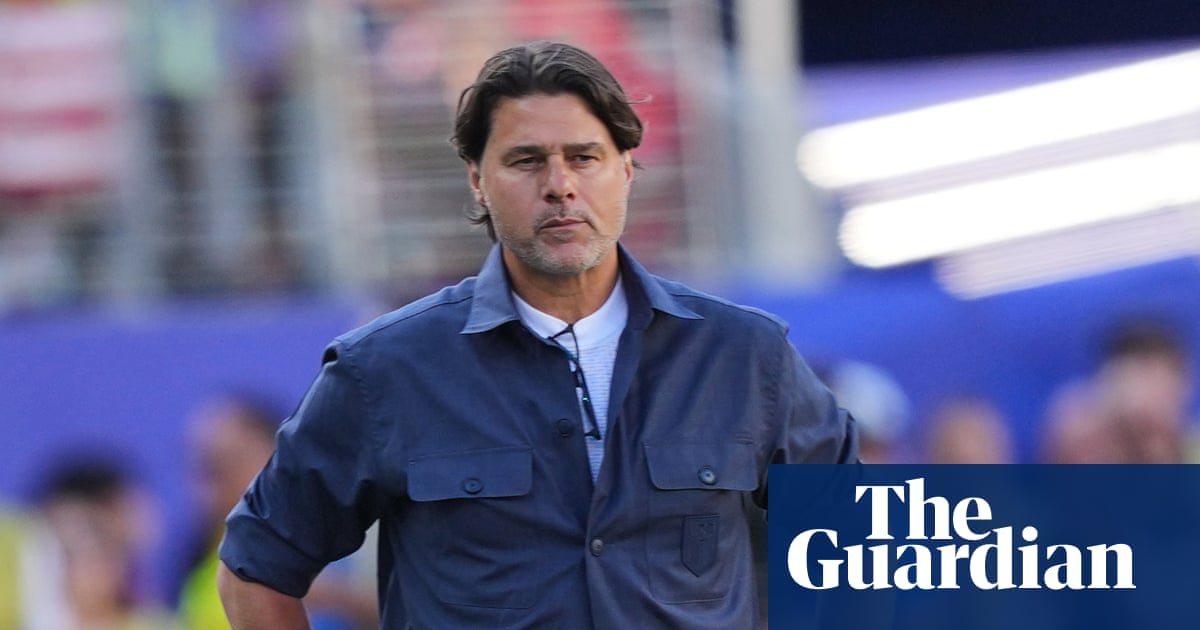
It’s a matchup that should offer Balogun plenty of chances to make his mark. The dramatic late reversal is bound to become a permanent storyline of this team’s run, whether it ends on Monday or progresses into the quarter-final or further. That’s no matter to Pochettino, who can now prepare for the biggest game of his international management career to date with his most trusted goalscorer in tow.