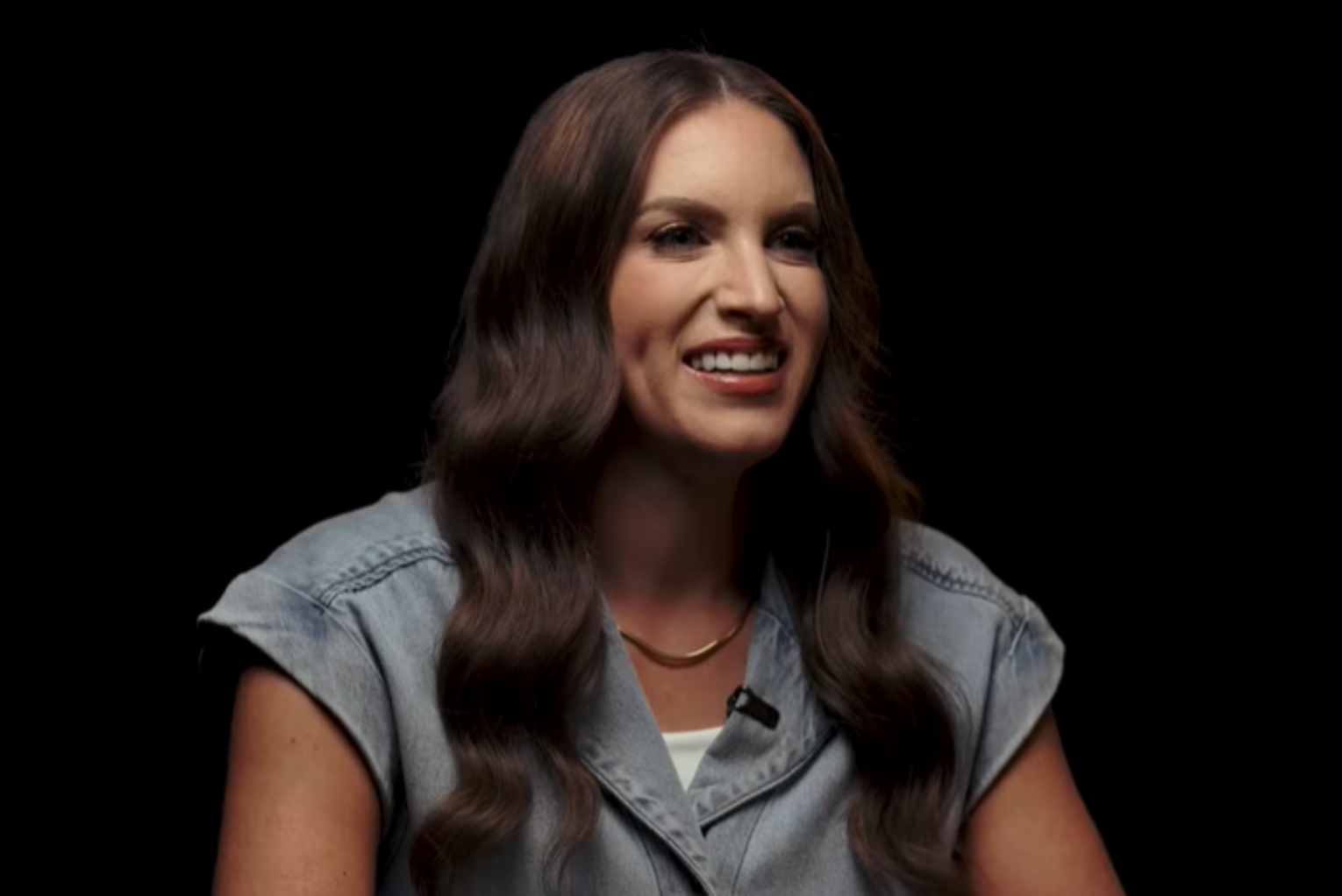

When Ashlyn Harris watches the World Cup, she finds herself thinking less about the game-winning plays than the behind-the-scenes sacrifices players make to be there.
The two-time FIFA Women’s World Cup champion and former U.S. Women’s National Team goalkeeper knows firsthand the unseen burdens athletes carry as they compete at the highest levels of sport. It’s a theme in the documentary Gamechangers: The Ashlyn Harris Story, currently streaming on Roku.
“We filter too much success when it comes to sports and athletes,” Harris tells me for Yahoo’s Unapologetically series. “We always show the highlight reels.”
Harris retired in 2022 and has been doing “a lot of healing” after years of putting soccer above everything else. The sport, which she began playing at age 5, offered an escape from a chaotic home life and took her to the University of North Carolina and eventually to the pros. But the road was lonely.
“Chasing greatness was awesome, but it cost me a lot,” she says.
Here, Harris opens up about navigating life after soccer, finding peace with her partner, Sophia Bush, parenting her children, Sloane and Ocean (with ex-wife and teammate Ali Krieger), and why she’s now chasing purpose rather than championships.

The documentary revisits difficult parts of your childhood — your parents fighting, having financial problems, you going to bars in sixth grade, huffing. Was it more painful to live through those experiences or revisit them on camera?
It’s interesting — I don’t think revisiting any of this was hard. It’s my truth. If I can’t sit in my truth, then I’m continuing to pretend.
I know my parents did the best they could with what they had. Now that I’m a mom, it puts a lot into perspective because parenting is really hard, and I have a lot more than they did.
I find this documentary to be a love letter to myself. I went through all of these things that may seem hard to other people, but they never hardened me. That’s the beauty of it. Hurt people sometimes hurt other people. It made me softer. It’s also opened my eyes to the fact that this journey is difficult and we need community. We need to find a little more grace. Everyone is so quick to judge and resent and cancel people for just existing, making mistakes or falling short.
It’s a challenging time to exist. Everyone has an opinion about everything.
Social media is really jeopardizing a lot, especially for our youth. Thank god we didn’t grow up having it, and we had the freedom to make mistakes and learn from them. I will put my hand up: I am not a perfect person, nor was I a perfect child. You live and learn. I feel bad for this generation — its vultures waiting to prey on someone the second they have an oopsie. It’s just crazy.
You won two World Cups, but the documentary makes clear that some of the hardest battles in your life were off the field. When you watch sports now, do you think we’re getting better at talking about that?
We filter so much. We want young kids to dream big and go after whatever they choose, but it’s a hard life, and not enough people expose that.
People ask me all the time why I stepped away from the game. I have a lot of healing to do from chasing success and greatness for my entire life. There’s a huge part of me that was stolen. I did not have a childhood. I didn’t go to birthday parties. I didn’t have birthday parties in my home. I didn’t go to weddings or funerals.

Harris in the 2019.
(Ira L. Black via Getty Images)
You sacrifice a lot. Too often we sugarcoat it as glitz and glam, but people don’t understand what it takes from you.
What part of yourself have you discovered in retirement that never had room to exist before?
I’ve done a lot of work figuring out who I am outside of what I did — really taking that jersey off and figuring out who I am besides “Harris No. 24.”

Harris with her partner, actor Sophia Bush.
(Michael Kovac via Getty Images)
Sports has a shelf life — that’s just fact. It’s going to end through injury, not making a squad or your own choice to step away. It’s a serious process to reflect on who you are outside of something you’ve done your whole life. It’s like a rebirth. Figuring out, How am I going to move in this big world now that I don’t have that?
It’s a tough process, but it’s been really fun. I’m almost reintroducing myself to myself. For so long, I was mission-driven: I had to get drafted and win championships. I never had much time to sit and reflect. Now I’m able to be present, to be at peace and to focus on joy and my family instead of always chasing the next roster, tournament or gold medal.
You seemed remarkably focused from a young age. A moment in the documentary that stands out for me is you being in the eighth grade and calling then-UNC soccer coach Anson Dorrance to say you wanted to commit to that school — and did.
It’s a good message to kids. If you want something, go for it. What’s the worst thing that would have happened? He didn’t pick up the phone or said “no.” That doesn’t feel that scary. I think fear gets in the way a lot. I hope that people pick up the phone and make the call.
The film also shows you’re still training at an incredibly intense level. What are your fitness goals now that you’re no longer competing?
Even though you retire, you’re always a professional athlete. That competitive spirit never leaves you. You just step away from the game. I still eat very healthy, work out four or five times a week, drink a lot of water and don’t abuse my body. I prep and cook every single meal.

The documentary Game Changers: The Ashlyn Harris Story is now streaming.
(Roku)
For me now, it’s more of a mental health thing. I need structure. I’ve had structure my whole life, and when I don’t have discipline and habits, I get a little squirrelly. To be the best version of myself, I need to get that out. I need to throw some weight around, feel good about myself and feel good about my body.
I want to live a long time. I want to be a healthy mom for my babies.
Sophia is featured in the film. You share a glimpse of your life together. You call her “home.” What went into your decision to include that chapter?
If I’m going to be vulnerable and expose everything, I owe it to myself and everyone else to really go there. I’m living the best season of my journey right now, and I want to be open and honest about it. When you find peace, happiness, love, safety and ease, you want to scream it from the rooftops.
I also want to be mindful that what’s ours is ours, but it’s also important for our community to see and hear the message that it’s never too late to start over. If you’ve built something and you don’t feel safe or happy in it, it’s OK to leave and go find joy.
That’s a difference between my generation and my parents’. My parents stayed together until I left for college. They were a generation that stayed together in a home that was not a safe environment for the children. We don’t have to make those mistakes anymore. If you’ve tried and tried and tried, it’s OK to say: “This is not for me anymore.”
It’s a brave decision — it’s a selfish decision — but life is also too short and too long to be unhappy.
Money was a source of stress growing up, and women’s soccer wasn’t a path to wealth when you started. How has that experience shaped the way you think about money today?
I still have a scarcity mindset. I definitely see that in the way I do things.
One of my very close friends, who comes from a wealthy background, gave me some great advice when we were younger. She said, “Act poor and stay rich.”
A lot of what I wear is thrifted. I don’t like big logos or flashy, expensive things. I want to be comfortable, but I also want to be mindful. I want to give my children a better experience in life than I had, and that drives a lot of my financial decisions.
I work my ass off, and I also enjoy it. But I do have that scarcity mindset. I have buyer’s remorse and all those things, and that stems from my childhood.
If the first half of your life was about becoming a champion, what do you hope the second half is about?
I’m chasing purpose. I’m not chasing success in this new phase. That’s the biggest thing for me.
Right now, I want to be present for my kids. I’m trying to mold good humans. They’re teaching me who they are, and I’m listening. Seasons change so quickly for them. They turn into someone different every week — and I have to grieve the old them, and learn who the new person is.
When they’re a little older, I’ll want to chase new opportunities again. I’ve been producing, I’ve been doing shows and documentaries, and now I’m stepping into — which is an exciting project but I can’t talk about yet — scripted projects.
I’m always going to sit at the center of sports and entertainment. It’s what drives culture, and where my niche is. But right now, I’m chasing my 3- and 5-year-old around.
This interview has been edited for length and clarity.