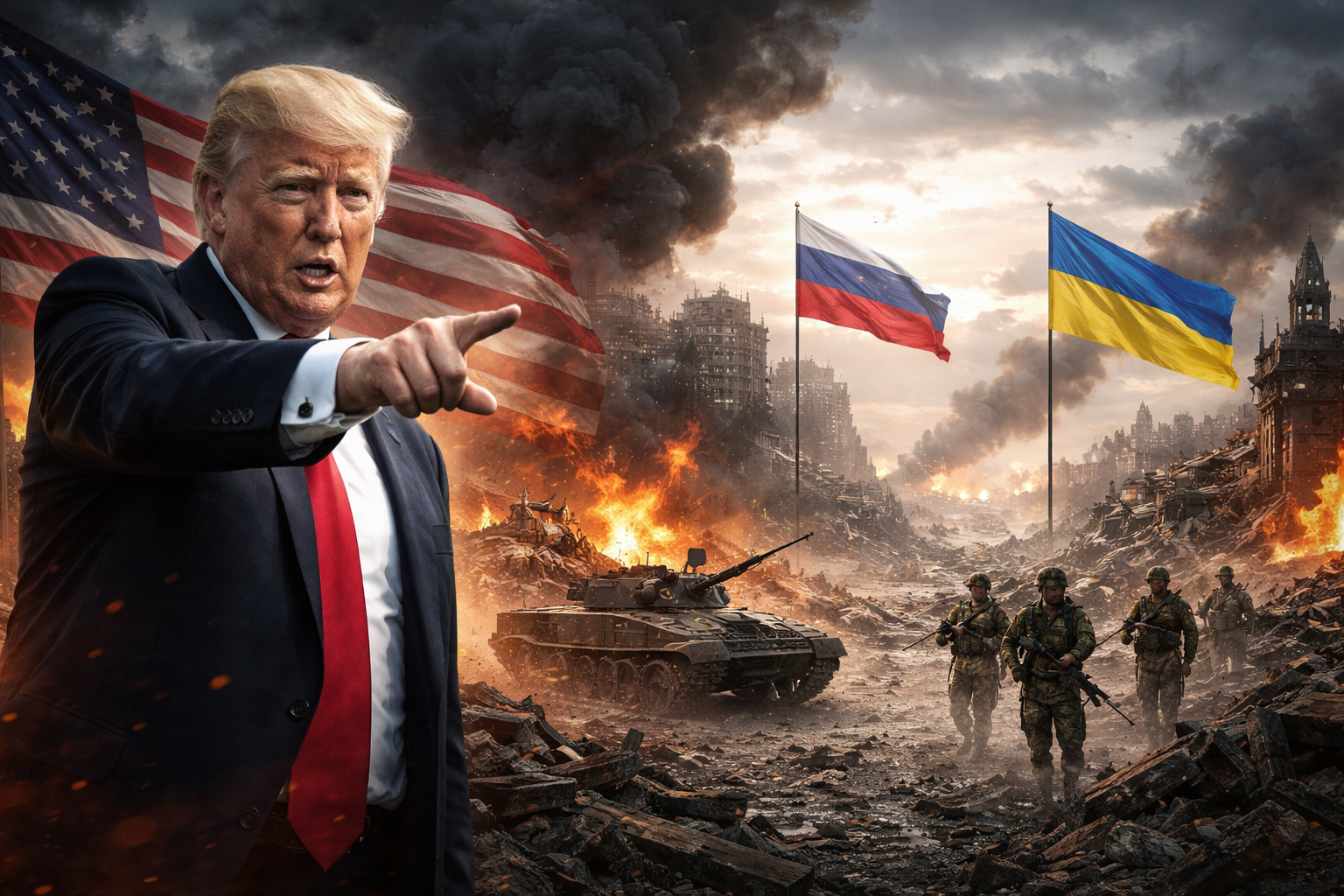
Diplomatic efforts to end the war between Russia and Ukraine remain stalled, as conflicting interests and unpredictable actions complicate the search for peace. A recent unilateral declaration of an “energy ceasefire” by Donald Trump, posted on his social media platform without consultation with either side, illustrates the chaotic nature of current negotiations.
Volodymyr Zelenskyy responded to the announcement by stating readiness to accept the proposed ceasefire, despite it being unexpected. Meanwhile, Vladimir Putin retaliated with attacks on Ukrainian power facilities, underscoring the ongoing hostilities.
Challenges to Negotiations
Nigel Gould-Davies, a former British diplomat and senior fellow specializing in Russia and Eurasia, emphasizes that peace agreements require both parties to see an advantage in ending hostilities. However, Russia’s continued pursuit of dominance over Ukraine leaves little room for compromise, complicating diplomatic efforts.
Gould-Davies describes recent talks as not genuine negotiations but rather parallel efforts by Russia and Ukraine to blame each other for the failure of peace talks, often involving appeals to the White House.
Impact of Unpredictable U.S. Leadership
The involvement of a “non-standard president” in the United States contributes further to the complexity. Trump’s self-declared energy ceasefire lacked any basis in reality, catching involved parties off guard and causing more confusion. His policies, including restrictions on Ukrainian military-use satellite services and proposals to import Russian diesel, have raised concerns among diplomats and U.S. allies.
These actions are interpreted by some experts as a tilt toward favoring Russia, potentially impacting the U.S.’s traditional support for Ukraine.
Behind the Scenes and Outlook
Despite public chaos, back-channel diplomacy continues with confidential meetings among all sides. Nonetheless, Gould-Davies warns these may be unproductive or misleading, as there is no convincing evidence Russia seeks to end the conflict.
European and American diplomats are working to influence the White House’s internal dynamics, where multiple actors hold varying positions on Russia. Maintaining coordination among allies remains a key priority to prevent further deterioration of the transatlantic partnership.