

Elif Eralp, a 45-year-old lawyer and daughter of political refugees from Turkey, has gained national attention in Germany as her far-left party, Die Linke, won more than a quarter of the votes in Berlin’s recent city-state election. Eralp’s victory positions her to possibly lead Berlin’s coalition government, marking a historic moment as Berlin’s first leader with Turkish roots.
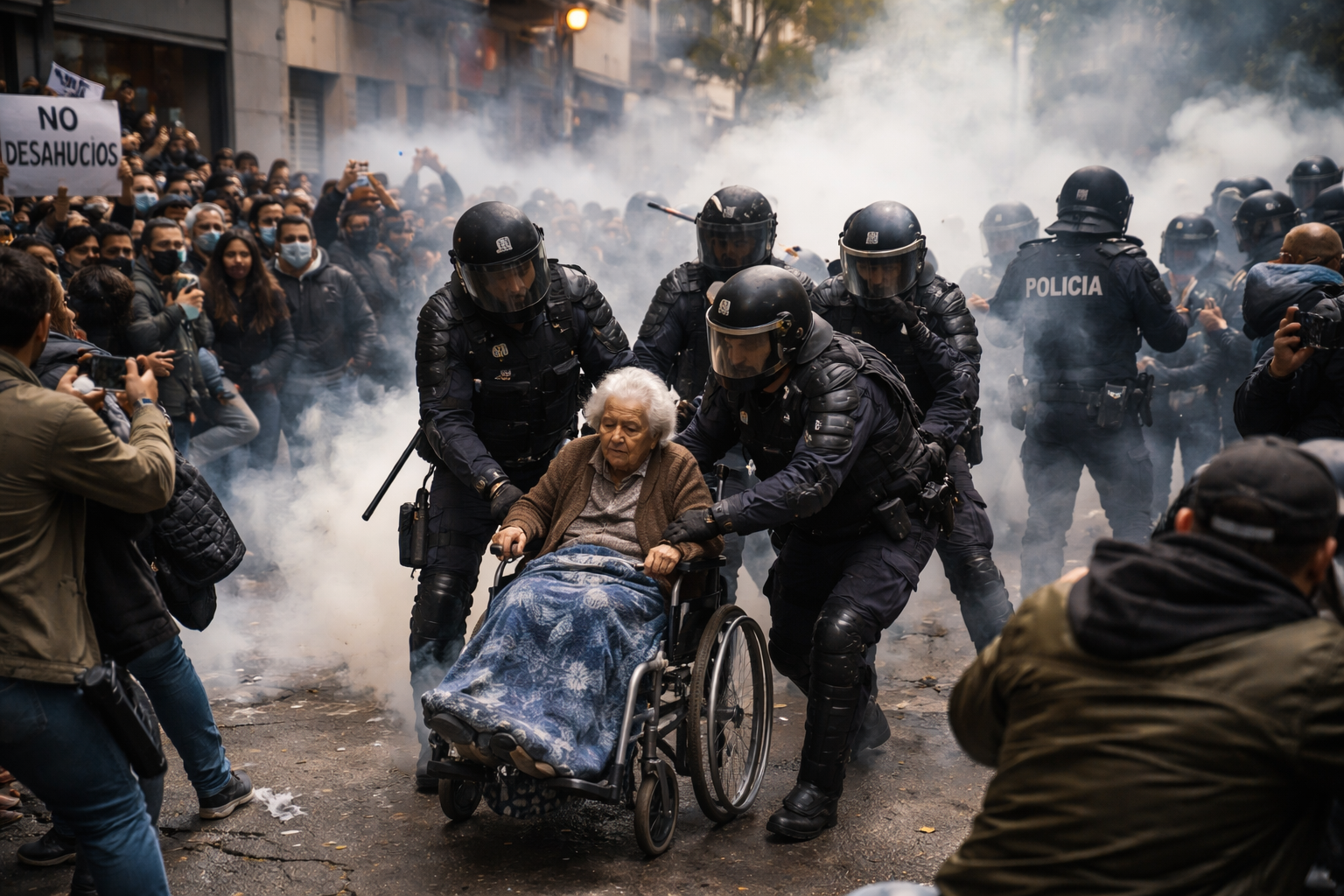
Her campaign, inspired partly by American progressive models, targeted younger voters and non-voters through intensive door-to-door outreach and social media efforts. Her message centered on combating rising housing costs and challenging corporate landlords over unaffordable rents in the German capital.
A Campaign Rooted in Justice and Inclusion
Eralp launched her election bid last fall with a candid admission that people like her—children of migrants—are often not expected to ascend to such positions of power in Germany. Throughout her campaign, she promised to be “a mayor for all Berliners,” spreading a message of unity against hate, directly addressing the gains made by the far-right Alternative fuer Deutschland in other regional elections.
She declared her intent to reclaim the city’s future from real estate speculators, framing affordable housing as a central social issue. Her proposal to expropriate more than 200,000 flats from corporate landlords sparked criticism from Chancellor Friedrich Merz and conservative circles, who predicted dire economic consequences should her policies advance.
Challenges Within the Coalition and Party
Despite Die Linke’s electoral success, Eralp faces hurdles, as potential coalition partners like the Social Democrats and Greens demand clarity on allegations of antisemitism and purported ties to criminal groups within her party. Die Linke’s leadership has denied these allegations but acknowledged the need to address antisemitism, resulting in a Berlin MP suspending his parliamentary duties amid related claims.
Eralp has sought to firmly reject any glorification of violence or terror, emphasizing protection and solidarity for all religious communities in Berlin, including Jews and Muslims.
Personal History Shapes a Political Vision
Eralp’s background deeply informs her political stance. Born in Munich in 1981 after her parents fled political persecution in Turkey, she experienced immigration challenges, discrimination, and bureaucratic difficulties firsthand. Her mother, a feminist and former political prisoner, and her father, a doctor, settled in Berlin’s Kreuzberg district. Eralp lives there with her family, maintaining a close connection to her diverse constituency.
From an early age, Eralp was engaged in activism, founding a conservation club at age 10 and participating in anti-nuclear movements. She studied law and later joined Die Linke’s parliamentary group, motivated by the rise of the far-right AfD party in 2017. She also co-founded an alliance aimed at amplifying migrant-progressive voices within her party.
Eralp reflects that her lifelong goal to fight injustice is now being pursued through political leadership rather than courtroom advocacy, signaling a transformative moment in Berlin’s governance and its commitment to inclusivity and affordable living.