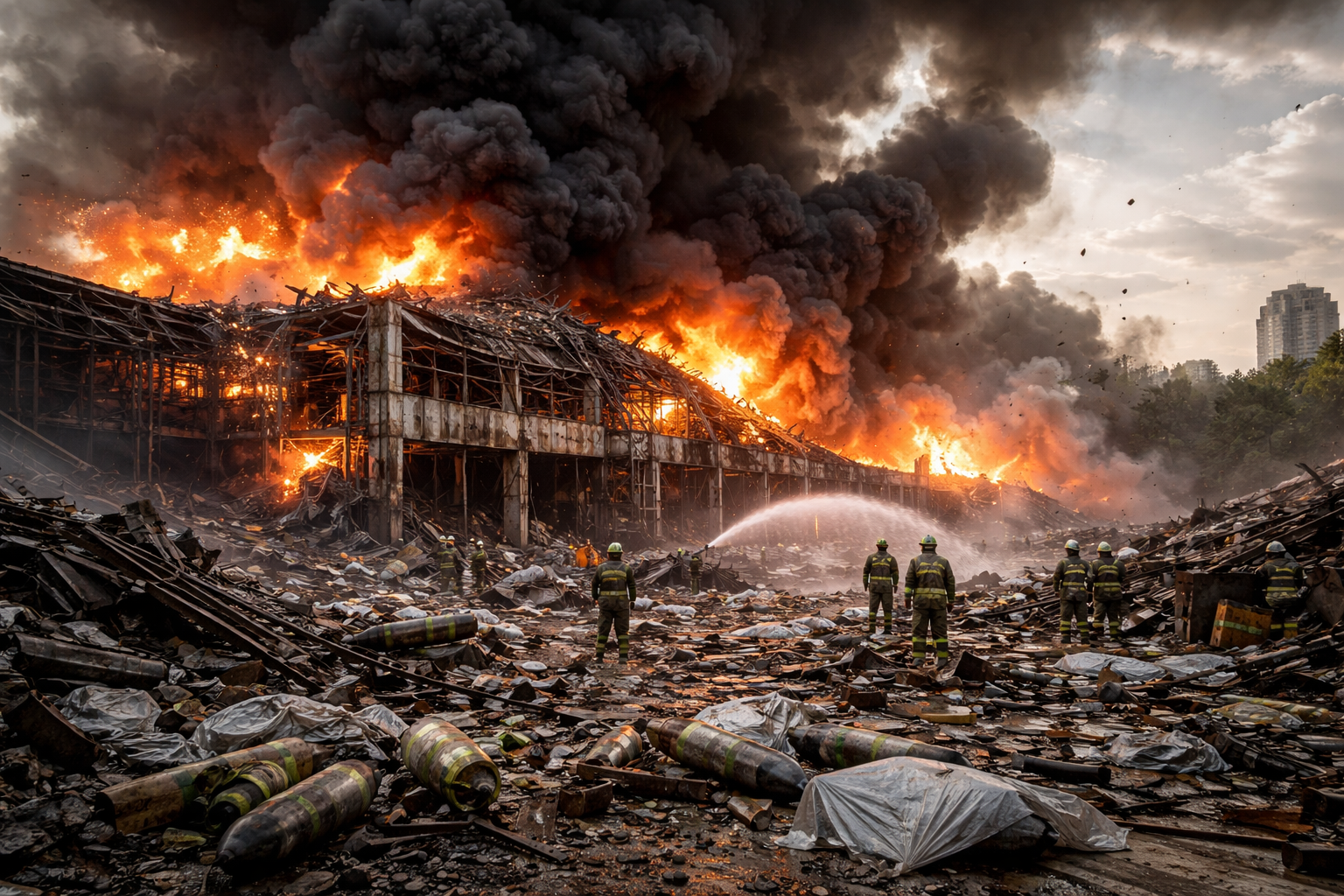

In August, wildfires ravaged more than 3,500 hectares in Serbia’s Deliblato Sands Nature Reserve. In response, Serbia requested firefighting assistance first from Russia, marking Moscow as its initial call for help before activating the European Union (EU) mechanism. This move has drawn attention to Serbia’s complex diplomatic balancing act ahead of its scheduled October elections.
According to officials, the Russian Ilyushin Il-76 firefighting aircraft, considered highly capable, arrived in Nis and was welcomed by pro-government media as a crucial asset in combating the fires. Although the EU responded quickly by deploying helicopters and firefighting teams from several member states, Serbian national authorities emphasized the superior capacity of the Russian aircraft.
Geopolitical Significance of Firefighting Assistance
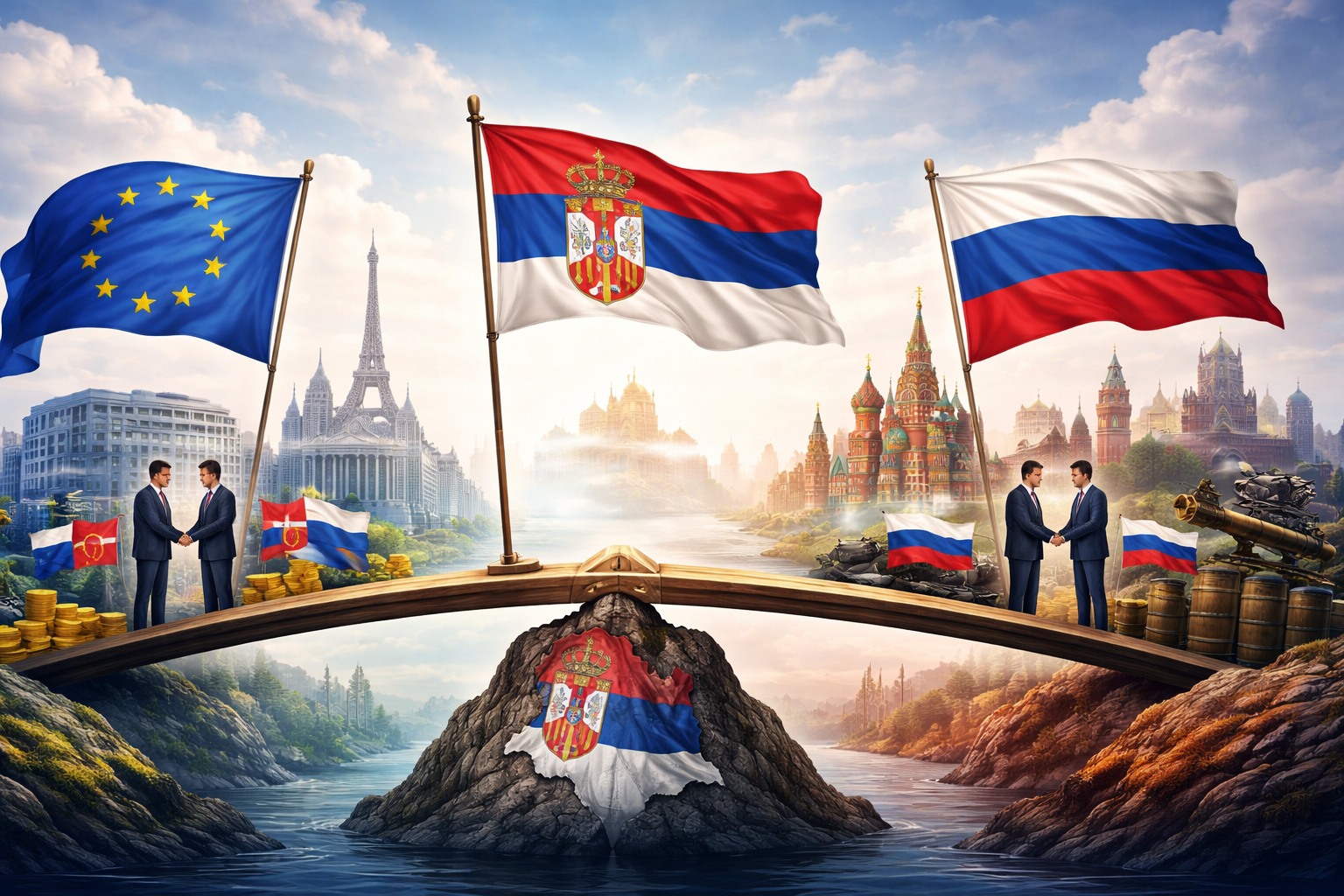
This incident is seen through a geopolitical lens due to Serbia’s strategic positioning between the EU and Russia. The choice to seek Moscow’s aid first has not been officially framed as a political alignment by Serbian leadership, who pointed instead to practical considerations regarding firefighting capabilities.
A representative from Serbia’s Ministry of the Interior noted the limited capacity of EU firefighting aircraft compared to the Russian model. Meanwhile, Brussels rapidly mobilized resources from its rescEU reserve, demonstrating responsiveness to Serbia’s needs.
Diplomatic Maneuvers and Election Calculations
Just weeks before the wildfires, Ukrainian President Volodymyr Zelenskyy visited Belgrade, where both presidents affirmed their support for each other’s territorial integrity. This is a delicate issue, as Ukraine does not recognize Kosovo’s independence, which Serbia contests.
Political analysts suggest that Serbian leadership is attempting to maintain positive relations with both Eastern and Western powers without creating open opposition during the election campaign. Engaging with Zelenskyy serves to reinforce ties with Europe, while previously calling on Moscow underscores an effort not to alienate Russia.
Challenges Ahead for Serbia’s Foreign Policy
Despite this balancing effort, Serbia faces increasing pressure as tensions between Russia and the West deepen. The EU expects candidate countries like Serbia to align more closely with its foreign and security policies, including sanctioning Russia, a step Serbia has so far resisted.
Trust between Serbia and Russia is also complicated, with Moscow reportedly cautious about Serbia’s loyalty amid recent domestic protests characterized by both sides as Western attempts to destabilize the government.
Ultimately, the immediate question for Serbia’s leadership is whether it can maintain this diplomatic equilibrium through the upcoming October elections and beyond.