

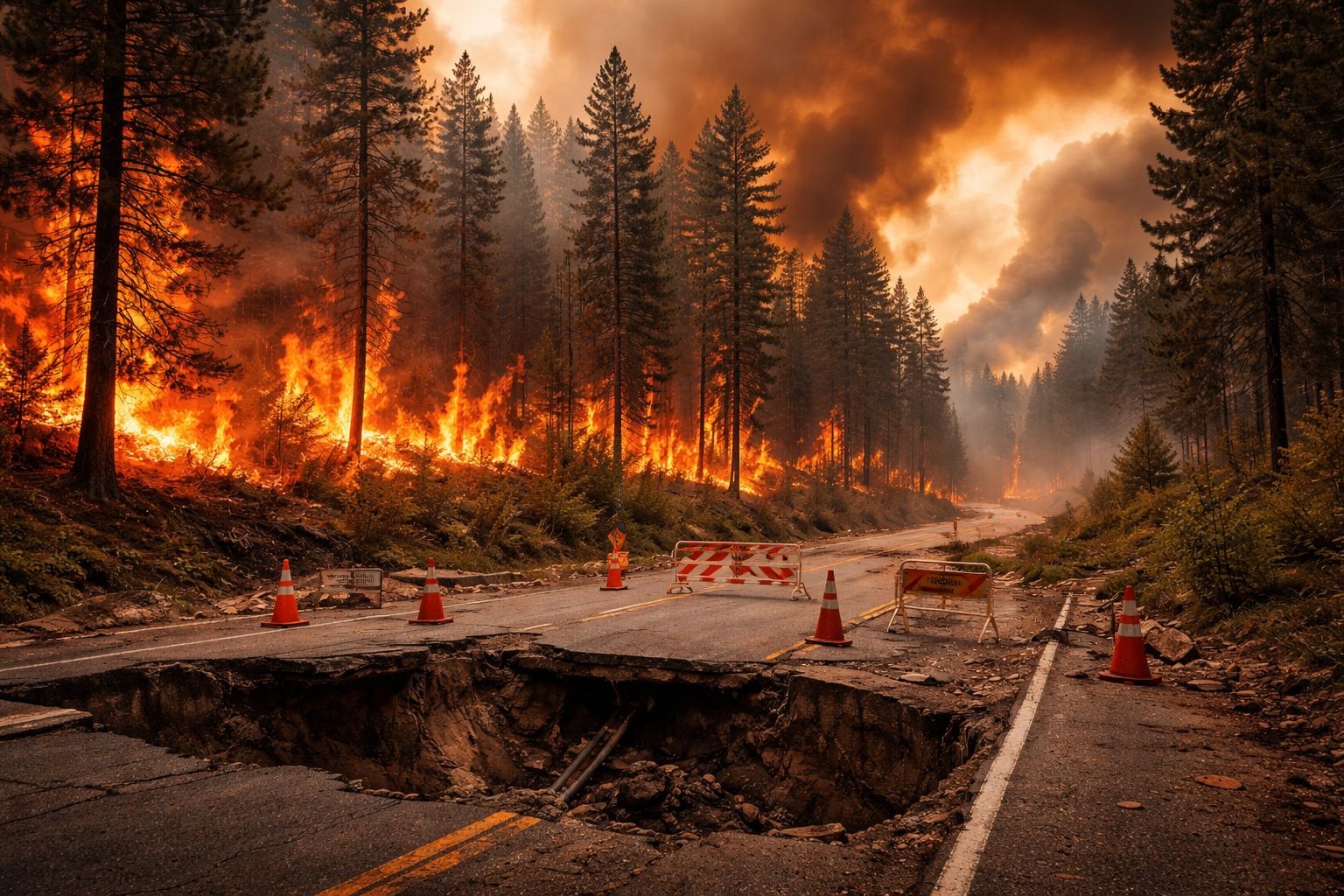
A wildfire in the New Forest has entered its fourth day, with firefighters encountering difficult weather as temperatures are expected to climb. The blaze started on Sunday, August 9, after a van caught fire alongside the A31, causing 23 drivers to abandon their vehicles due to the spreading flames.
The Hampshire & Isle of Wight Fire and Rescue Service (HIWFRS) reported that crews have established a strong perimeter control and are implementing fire breaks, although shifting wind conditions remain a significant challenge. Local residents have been urged to keep doors and windows closed as smoke continues to pose health risks.
Firefighting Efforts and Infrastructure Impact
To support firefighting operations, a heavy volume pump was deployed at Hightown Lake in Ringwood to ensure adequate water supply. The service acknowledged the disruption caused by hoses laid across sidewalks and driveways, expressing efforts to minimize inconvenience while emphasizing the critical role of this equipment in controlling the fire.
Meanwhile, National Highways announced that repairs to the A31, which has suffered damage to the road surface, safety barriers, bridge parapets, and fencing, will likely not commence until at least Friday, August 14. The combination of smoke, heat, ash, and active fire movement has prevented safe access for repair crews, who remain on standby for work to begin.
Wider Wildfire Concerns and Public Precautions
This wildfire is among multiple incidents across England and Wales amid persistent heatwave conditions. The National Fire Chiefs Council (NFCC) reported that the number of wildfires recorded this year equals last year’s record total of 1,017. Challenges in recruiting on-call firefighters and an overall decline in firefighter numbers have strained response capabilities.
The Fire Brigades Union highlighted these staffing pressures while government officials pledged nearly £2 billion for fire services in England, including significant investments in national resilience.
Authorities continue to issue warnings about reckless behaviors that could ignite wildfires. HIWFRS emphasized that a single careless action—such as discarding a cigarette or lighting a barbecue—can rapidly escalate into a serious fire, threatening wildlife, property, and emergency personnel.
Government Response and Potential Policy Measures
Prime Minister Andy Burnham expressed concern about the wildfire and indicated consideration of a ban on disposable barbecues in high-risk areas. The fire service also advised against parking vehicles on dry grass, as undercarriages can reach temperatures exceeding 400°C, potentially sparking additional fires.
Residents are encouraged to take home litter, avoid smoking outdoors, and refrain from lighting campfires or bonfires during the ongoing period of heightened fire risk.