

What does SNAP cover? Who qualifies? Debunking myths on food benefits
SNAP, formerly food stamps, is often misunderstood. We break down the facts and debunk myths about who qualifies and what it really covers.
Gov. Kay Ivey signed legislation Wednesday restricting SNAP purchases of sugary foods and drinks, a move supporters say promotes healthier eating.
SB 57, sponsored by Arthur Orr, was approved by the Alabama Legislature earlier this year.
“We are promoting healthier diets for Alabama SNAP beneficiaries by restricting the purchase of sugary foods that contribute to obesity and diabetes,” Ivey said in a statement.
The law requires approval from the U.S. Department of Agriculture, which oversees SNAP, before taking effect.
What is Alabama’s obesity rate?
Alabama has one of the nation’s highest obesity rates, according to the Trust for America’s Health “State of Obesity” report.
About 38.9% of adults in the state had obesity in 2024, while 22.8% of children ages 6 to 17 were affected in 2022-23.
What items would be restricted under Alabama’s SNAP rule?
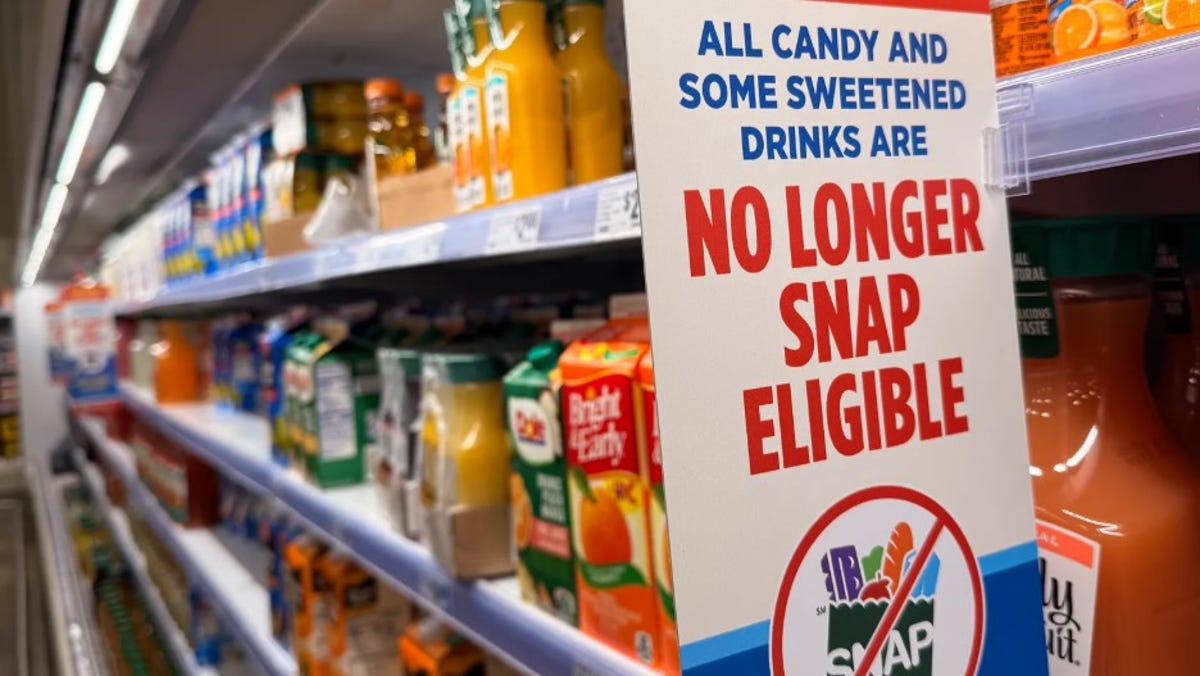
Under the law, SNAP recipients would be unable to use benefits for certain sugary items, such as soda and candy. The law provides specific definitions for these restricted items, which directly affect what food recipients can buy with SNAP.
Candy (restricted):
The bill defines candy as products where sugar or sweeteners are a primary ingredient, such as:
- Chocolate bars
- Non-chocolate candy
- Chewing gum
- Other sugar-based confections
Not considered candy:
Some sweet items would still qualify for SNAP purchases, including:
- Baked goods like cakes and cookies
- Baking mixes
- Jams and jellies
- Frostings
- Marshmallows
- Hot cocoa mix
- Powdered drink mixes
- Ingredients used for cooking
Soda (restricted):
- Restrictions target drinks with carbonated water and sugar as main ingredients.
Not included:
- Drinks made with low- or no-calorie sweeteners, such as diet soda.
Currently, SNAP benefits in Alabama can be used to purchase groceries, snacks and seeds or plants that produce food, but not alcohol, tobacco, vitamins, hot prepared foods or non-food household items.
When would the law take effect?
The restrictions will not take effect immediately. Alabama must first receive approval from the U.S. Department of Agriculture through a waiver process.
If approved, the law is set to take effect Oct. 1, 2026. The state would be required to give retailers at least one month’s notice before enforcement begins.
If the waiver is denied, Alabama officials must continue reapplying annually until approval is granted.
How would the policy be implemented?
State officials would be responsible for helping retailers comply with new rules, including identifying restricted products and providing training and guidance.
Stores would not face penalties for occasional mistakes unless they exceed three unintentional violations within a year.
Which states have similar SNAP restrictions?
Alabama joins a growing number of states seeking federal approval to restrict sugary purchases through SNAP. A total of 22 states have pursued or enacted similar measures targeting soda and candy, with some expanding restrictions to include other sweetened beverages and desserts.
Those states include:
- Arkansas
- Colorado
- Florida
- Hawaii
- Idaho
- Indiana
- Iowa
- Kansas
- Louisiana
- Missouri
- Nebraska
- Nevada
- North Dakota
- Ohio
- Oklahoma
- South Carolina
- Tennessee
- Texas
- Utah
- Virginia
- West Virginia
- Wyoming
Jennifer Lindahl is a Breaking and Trending Reporter in Alabama for USA TODAY’s Deep South Connect Team. Connect with her on X @jenn_lindahl and email at jlindahl@usatodayco.com.
See More: https://www.ubirataonline.com.br